A Lifeline for Exiled Cricketers
Few stories in modern cricket carry the weight of the Afghan women's team. Forced into exile when the Taliban reasserted control over Afghanistan in 2021, these players have shown remarkable resilience — continuing to train, compete, and fight for recognition from thousands of miles away. Now, it appears their efforts and advocacy may be about to pay off in a significant way. Sources close to the matter have confirmed to BBC Sport that a task force, meeting during the ICC's annual conference in Edinburgh, has put forward a formal recommendation that the existing funding programme be extended. As someone who has worked closely with developing players at grassroots level, I cannot overstate how important financial certainty is for any squad trying to build momentum.
Who Is Backing the Proposal?
The funding initiative, which was originally announced last year, brought together three of cricket's heaviest hitters — the England and Wales Cricket Board, Cricket Australia, and the Board of Control for Cricket in India — alongside the ICC itself. All three national boards have signalled their support for the continuation of the project, making it almost inconceivable that the ICC board would reject the recommendation when outgoing deputy chair Imran Khwaja formally presents it at the board's Saturday meeting. Perhaps more significantly, the ECB, Cricket Australia, and the BCCI are collectively pushing for the ICC to take on a greater share of both the financial burden and the organisational responsibilities going forward. That feels like the right direction of travel for a governing body that should be leading from the front on issues like this.
Long-Term Security and the Road to Official Status
Discussions at the board meeting are expected to include the question of how long the funding commitment will last, with reports suggesting a timeline stretching potentially as far as 2032 could be on the table. For a group of players who have spent years calling for a clear answer on their future — most recently during their current tour of the United Kingdom — that kind of long-term security would be genuinely transformative. However, the thornier issue of whether they can compete as an official international side remains far from resolved. A formal paper prepared by Clare Connor, chair of the ICC Women's Cricket Committee, is also due to be submitted to the board, and it reportedly includes a proposal that the team be permitted to play official international cricket. The ICC is caught in a genuinely difficult position here — it has responsibilities towards Afghanistan Cricket Board officials who operate under Taliban authority, and navigating that political minefield is no straightforward task.
What This Means for Women's Cricket
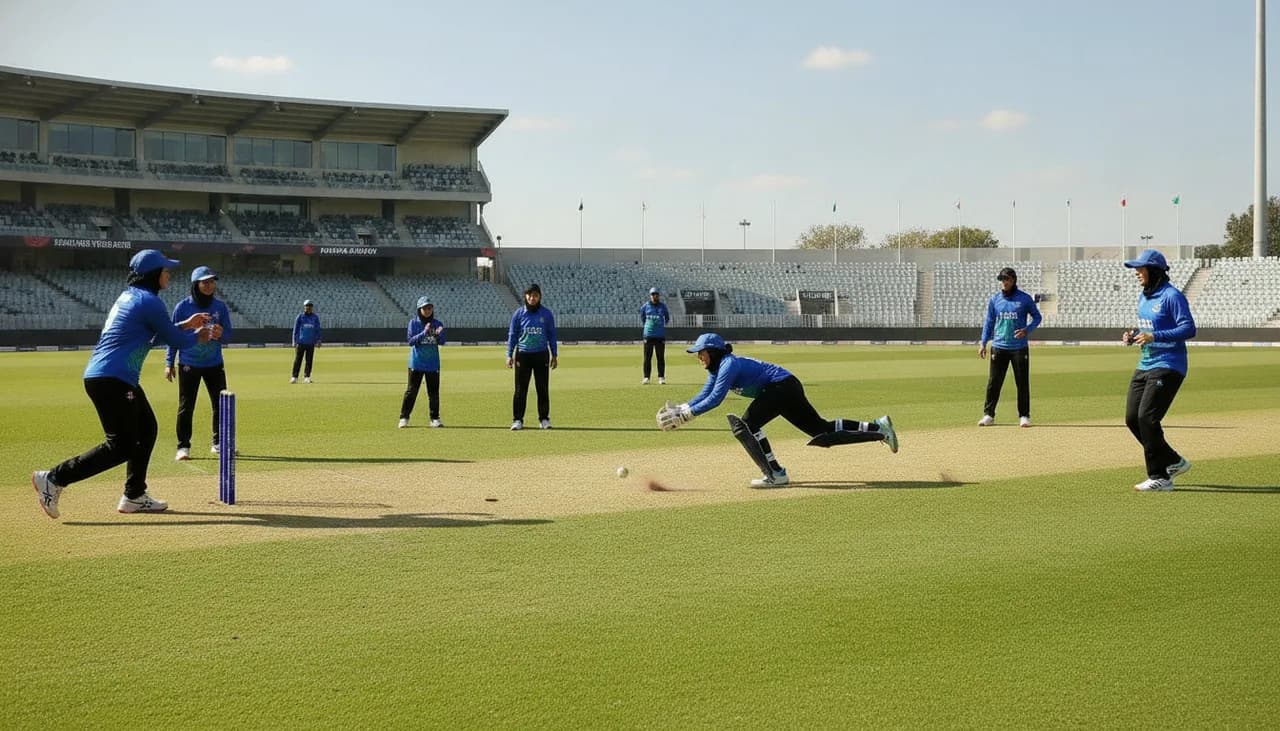
The Afghan women's squad, now based in Australia where they live and train, played a T20 fixture against Cricket Without Borders XI at Junction Oval in Melbourne as recently as January 2025. Moments like that demonstrate both their quality and their hunger to compete at the highest level. The ICC's decision in Edinburgh could prove to be a watershed moment — not just for this group of players, but for the broader principle that women's cricket deserves sustained investment and governance, regardless of the political circumstances surrounding a member board. Extended funding, combined with a credible pathway to official international status, would send a powerful message across the global game.
Ultimately, this is about far more than cricket politics. These are dedicated sportswomen who have sacrificed enormously to keep playing the game they love. The ICC now has an opportunity to stand firmly behind them — and all the signs suggest they are about to do exactly that.