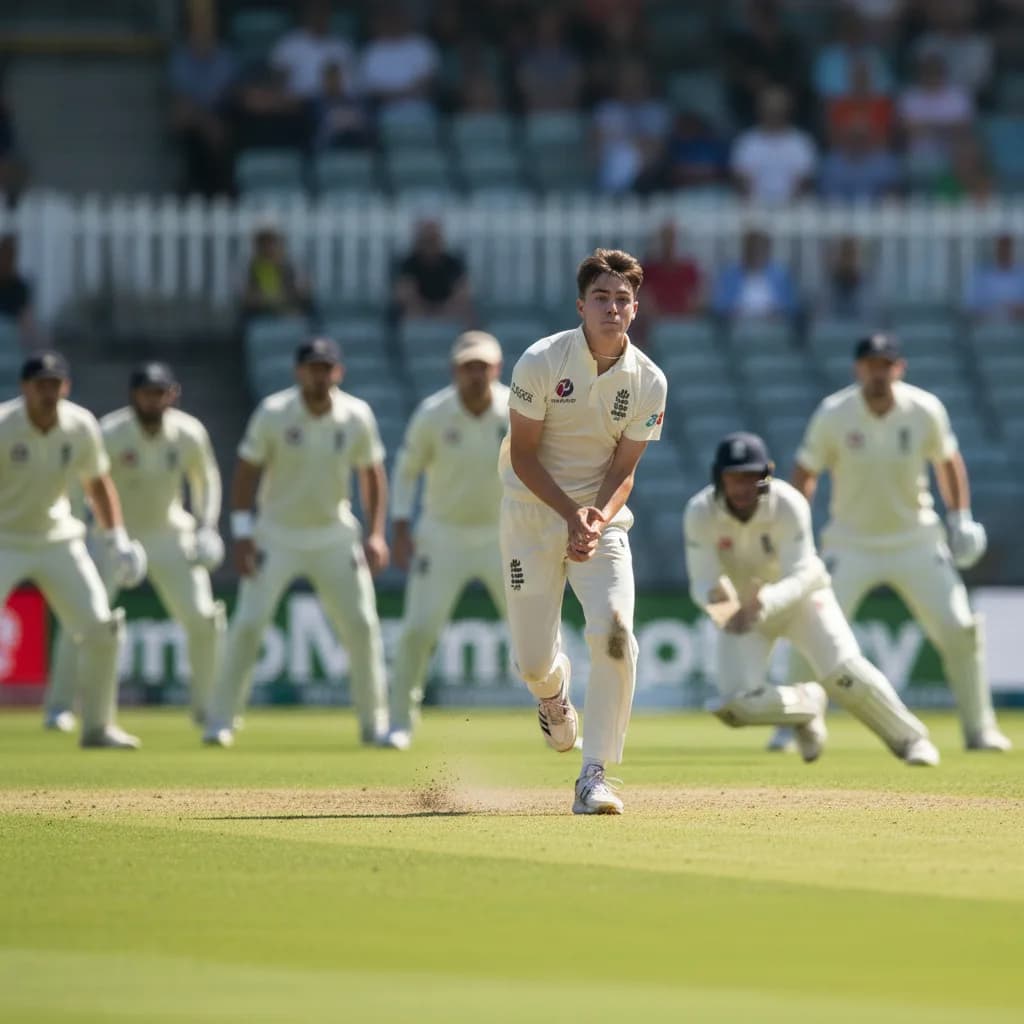
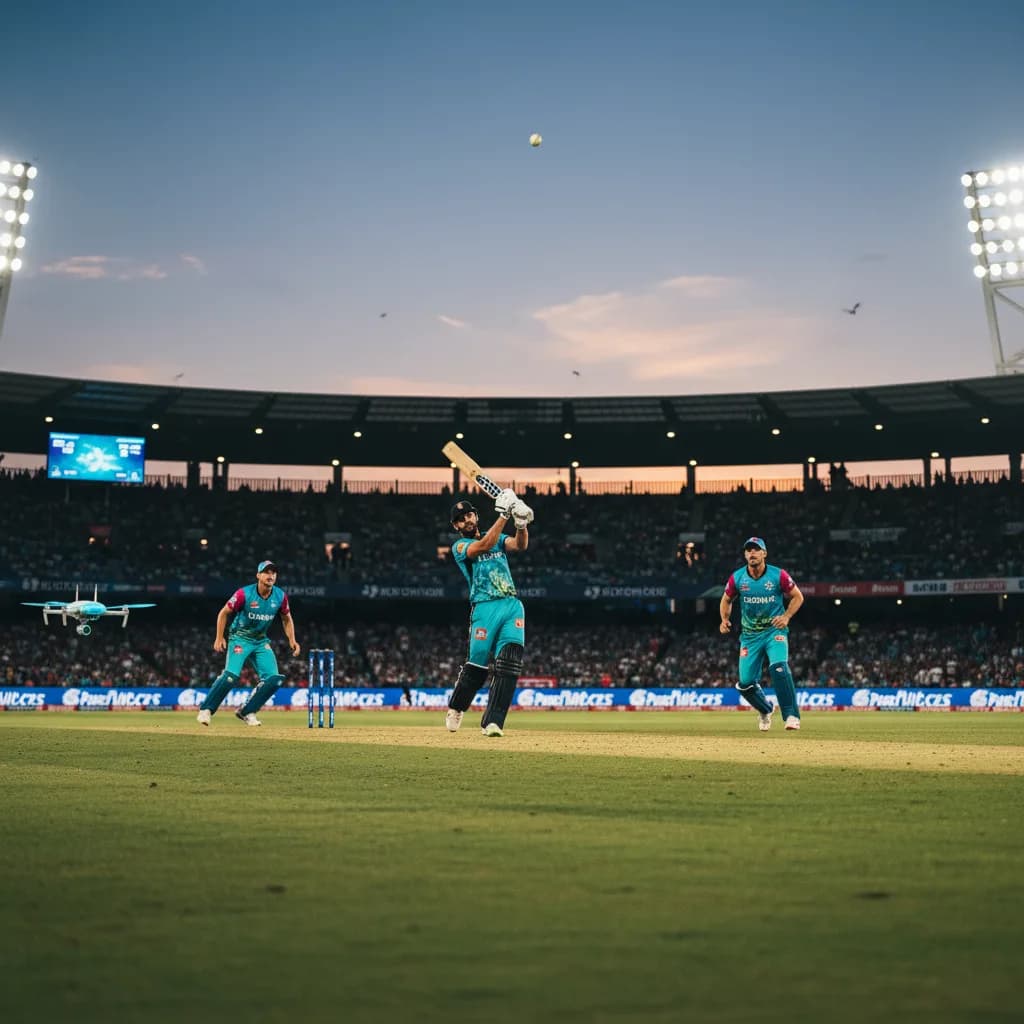
Cricket's constant evolution has taken another significant step forward with the Big Bash League's announcement of their designated batter and fielder rule for the upcoming 2026-27 season. This controversial innovation promises to reshape team strategies whilst simultaneously challenging cricket's fundamental principles about all-round participation.
Understanding the New Framework
The mechanics are relatively straightforward yet strategically complex. Teams can nominate one specialist designated batter who contributes solely with the willow, avoiding fielding duties entirely. However, this luxury comes with a mandatory trade-off - they must simultaneously name a designated fielder who cannot bowl but may keep wicket. Crucially, captains must declare their intentions before the bat flip, adding another tactical dimension to pre-match planning.
BBL general manager Alastair Dobson positioned this change as creating "more strategic options" whilst generating "new dynamics for fans to enjoy". The timing suggests organisers are seeking fresh engagement mechanisms after previous experiments with substitution rules between 2020-2022.
Strategic Implications and Player Management
Former Australian Test captain Ricky Ponting identified several compelling use cases, particularly around managing established international stars. His suggestion that players like Travis Head could utilise this system after intensive international campaigns highlights workload management possibilities. This could significantly impact tournament betting markets, as punters might see reduced injury risks for key players translating into more predictable availability.
The rule potentially extends careers for ageing legends who retain batting prowess whilst physical demands have diminished their fielding effectiveness. Conversely, it creates pathways for promising youngsters to contribute meaningfully without requiring complete skill development across all disciplines.
Precedent and Evolution
This isn't entirely uncharted territory. The Indian Premier League's impact player rule already allows tactical substitutions during matches, whilst the BBL previously experimented with their X-Factor player concept. However, the designated roles represent a more permanent structural change rather than dynamic in-game adjustments.
These evolutionary steps reflect T20 cricket's ongoing transformation from traditional formats. The designated system acknowledges specialisation trends whilst potentially attracting international stars who might otherwise skip domestic competitions due to injury concerns or workload management.
The Purist's Dilemma
Yet Ponting's personal reflection reveals cricket's cultural challenge: "I'd almost feel embarrassed not to be out there and being able to give something in the field." This sentiment encapsulates cricket's traditional ethos where complete participation defines team contribution.
The rule's success will ultimately depend on execution and acceptance. Will it genuinely enhance strategic depth or merely create artificial distinctions? Early adoption patterns and fan reactions during the 2026-27 season will prove crucial. For betting enthusiasts, this adds fascinating new variables to consider when assessing team compositions and tournament outright odds. Cricket continues its relentless march towards specialisation, but whether this enhances or diminishes the sport's essential character remains hotly debated.