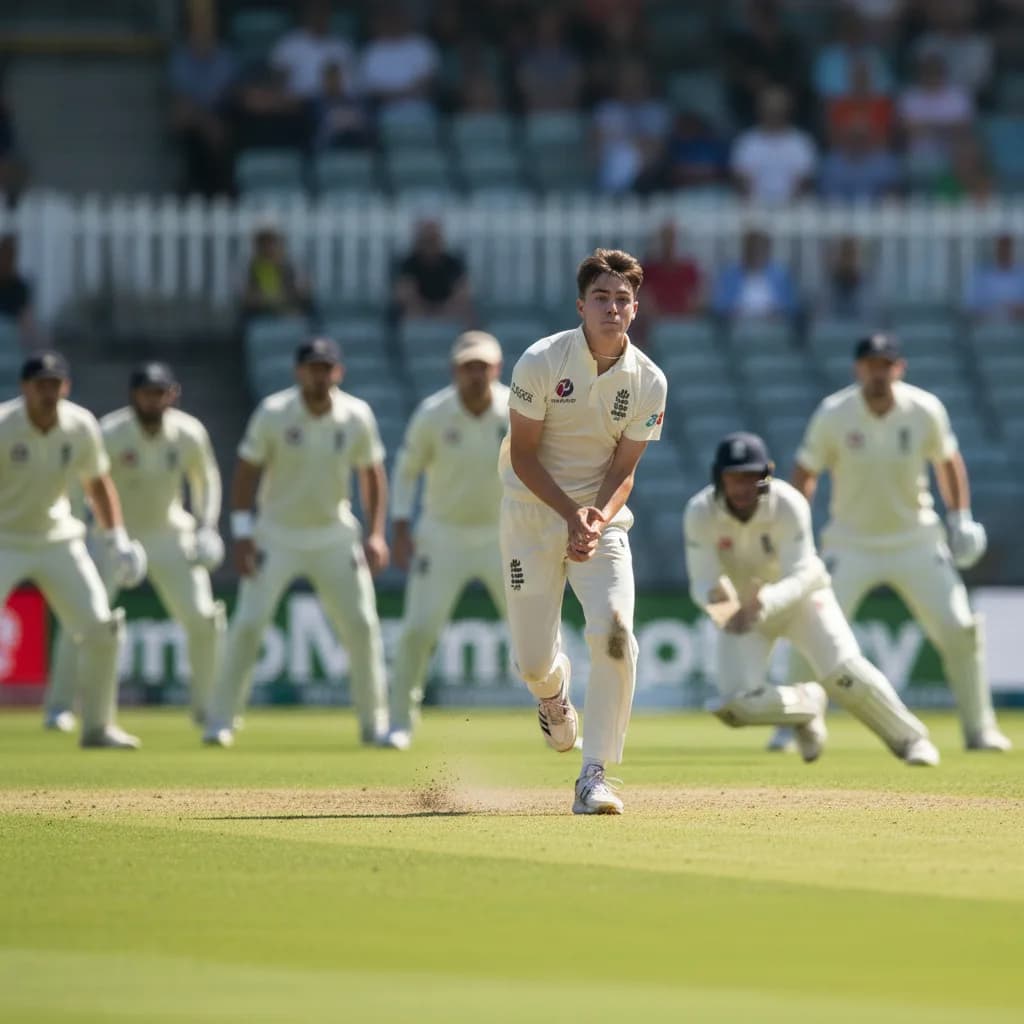
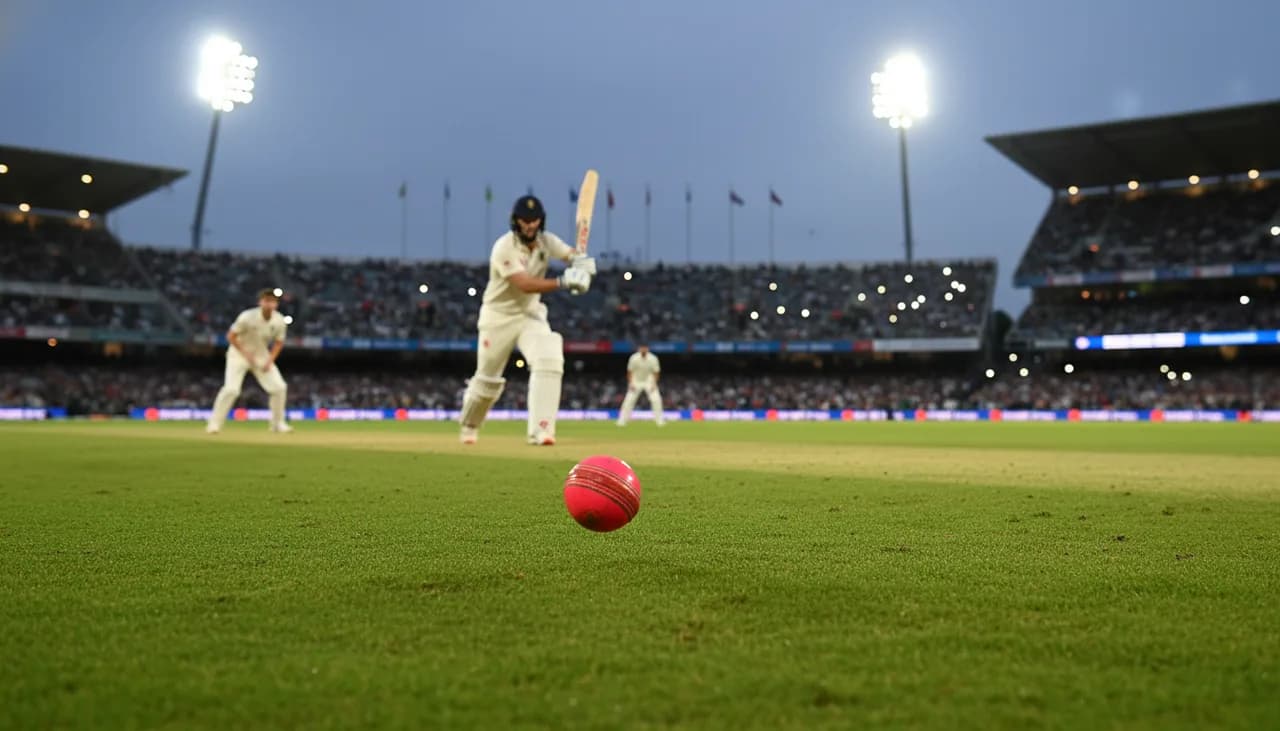
Cricket's tactical landscape is set for another significant shift as Australia's Big Bash League prepares to implement its designated batter and fielder rule from the 2026-27 season. This innovation promises to reshape team selection strategies and could influence how T20 cricket evolves globally.
How the New Rule Works
The mechanics are straightforward yet strategically complex. Teams may select one designated batter who participates solely in batting duties, exempt from fielding or bowling responsibilities. However, this selection comes with a balancing requirement - teams must simultaneously nominate a designated fielder who cannot bowl but may serve as wicketkeeper.
The decision carries weight, as captains must declare their designated players before the coin toss, eliminating last-minute tactical adjustments based on pitch conditions or opposition strategies. This pre-match commitment adds another layer of strategic planning that could influence outright tournament odds.
Strategic Implications and Benefits
BBL general manager Alastair Dobson emphasises the rule creates "more strategic options" whilst generating "new dynamics for fans to enjoy." The implications extend beyond mere novelty, potentially addressing several contemporary cricket challenges.
Former Australian Test captain Ricky Ponting identifies two key beneficiaries: ageing stars seeking extended careers and promising youngsters requiring gentler integration into professional cricket. The rule effectively removes the physical demands of fielding, allowing veteran players to contribute purely through batting expertise whilst reducing injury risks for international players.
Ponting specifically mentions Travis Head as a potential candidate, suggesting returning international players who've endured demanding schedules could utilise this option. However, he personally admits potential discomfort with the arrangement, telling 7 Cricket: "I'd almost feel embarrassed not to be out there and being able to give something in the field."
Historical Context and Evolution
This isn't the BBL's first experiment with substitute players. Between 2020 and 2022, the X-Factor player rule permitted teams to introduce one of two named substitutes at the 10-over mark of the first innings. The Indian Premier League operates a similar impact player system, allowing teams to swap in one of four designated substitutes during matches.
These precedents suggest cricket's governing bodies are increasingly receptive to tactical innovations that enhance competitive balance and entertainment value. The designated batter rule represents a more permanent structural change rather than in-game substitution flexibility.
Looking Forward
The designated batter rule could fundamentally alter T20 team composition, potentially encouraging specialist roles over traditional all-round capabilities. If successful, other domestic leagues may adopt similar regulations, gradually transforming the shortest format's strategic foundations.
For betting markets, this development introduces new variables in team strength assessments and match predictions. The rule's impact on individual player performances and team dynamics will only become apparent once the 2026-27 BBL season commences, but early indications suggest it will provide teams with valuable tactical flexibility whilst potentially extending careers and nurturing emerging talent.