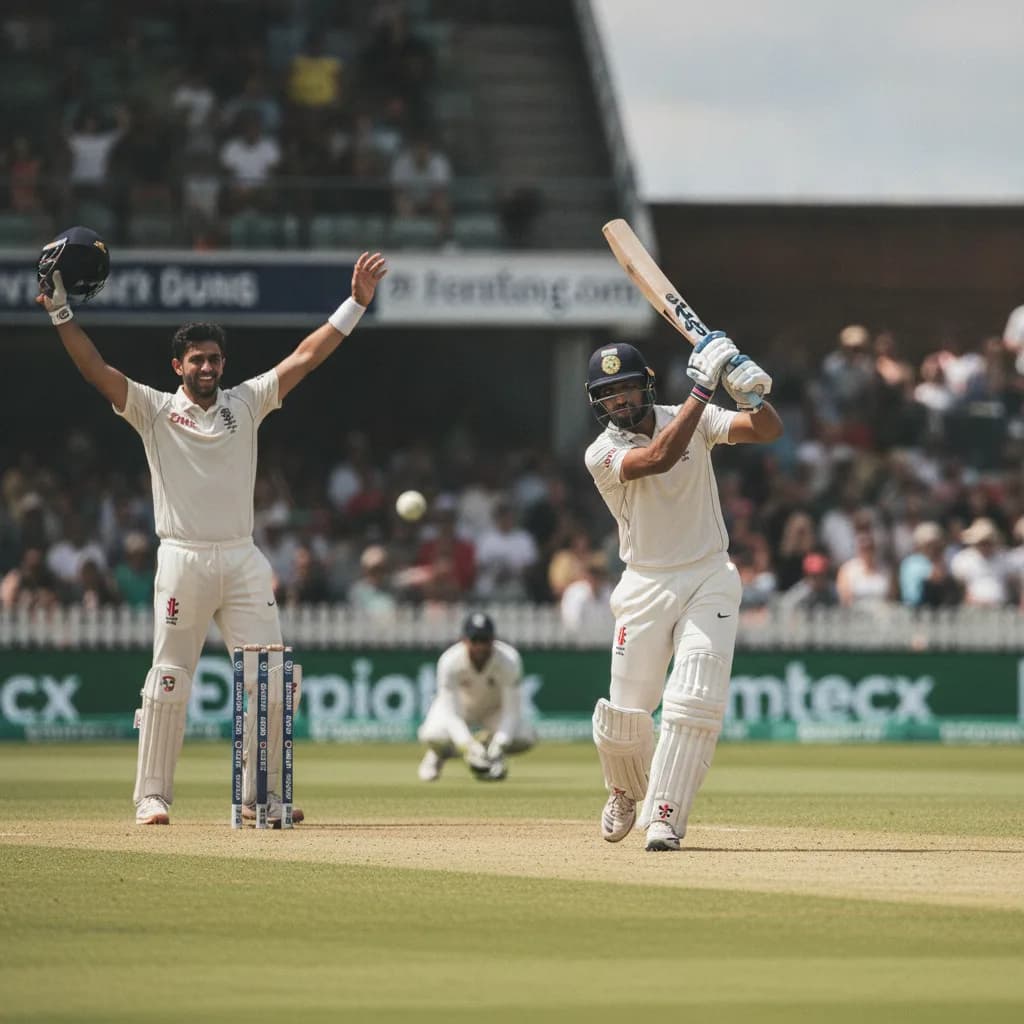
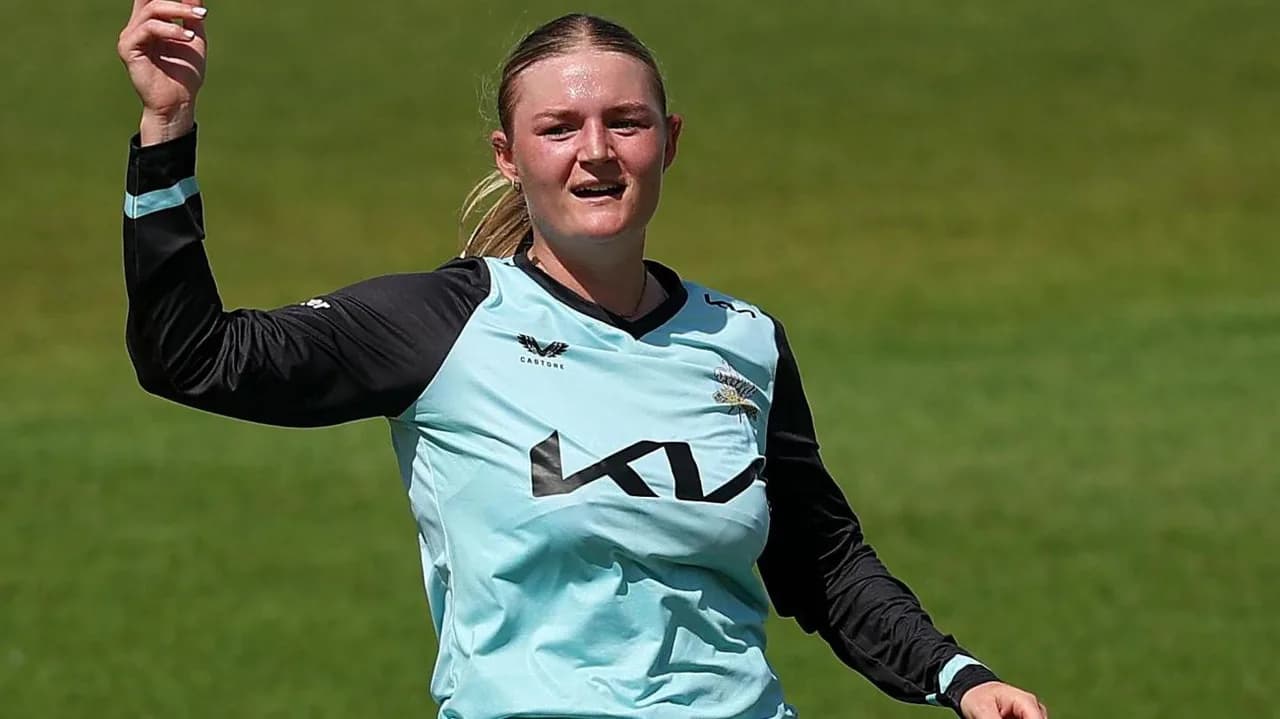
The Cricket Regulator has officially concluded its investigation into the Wellington nightclub incident that marred England's tour of New Zealand, issuing formal caution notices to white-ball captain Harry Brook and promising all-rounder Jacob Bethell. The sanctions represent the final chapter in a controversy that has overshadowed England's recent performances and raised serious questions about player conduct standards.
The Wellington Incident Unfolds
The incident occurred during an evening out in Wellington this past October, just hours before England's crucial one-day international scheduled for 1 November. Brook, Bethell, and fast bowler Josh Tongue were socialising when Brook was struck by a nightclub security guard, creating an immediate crisis for team management. Whilst the Cricket Regulator determined that no further action was necessary regarding Tongue's involvement, both Brook and Bethell have been formally sanctioned for breaching established player conduct regulations. Notably, Tongue was not selected for the ODI squad but had been training alongside the group in preparation for what would become a disappointing 4-1 Ashes series defeat.
Brook's Shifting Account Raises Concerns
The controversy deepened when Brook's initial account of events proved incomplete. The 27-year-old captain initially claimed he was alone during the altercation, only later acknowledging that teammates were present. In January, Brook offered a public explanation for his misleading statements, telling supporters they had "every right to be annoyed" whilst explaining he had "lied about that because he had been trying to protect his team-mates from further scrutiny." This admission came more than two months after Brook had already received a fine and final warning, details that only emerged following England's final Test defeat in Sydney.
Broader Cultural Questions
The Wellington incident formed part of a pattern of off-field issues that plagued England's Australian tour. The squad faced widespread criticism over alleged excessive drinking during their mid-series break in Noosa, contributing to questions about the team's professionalism and focus. During recent discussions at Lord's reviewing the tour's failures, managing director Rob Key acknowledged there isn't an "easy fix" to cricket's complex relationship with alcohol consumption. These cultural concerns have inevitably influenced market perceptions, with England's outright odds for upcoming series reflecting both on-field struggles and off-field distractions.
Moving Forward Under Scrutiny
Tongue, now 28, recently told BBC Sport he has "learned from what had happened in the New Zealand capital" and is "just trying to focus on the cricket now." His comments reflect the broader challenge facing England's management as they attempt to rebuild both performance standards and public confidence. The formal cautions serve as a clear warning that player conduct will face increased scrutiny, particularly as England prepares for crucial upcoming fixtures. With Brook's captaincy still under development and Bethell emerging as a key future prospect, maintaining disciplinary standards whilst fostering team unity represents a delicate balancing act for the coaching staff and Cricket Regulator alike.