
CARDIFF — As the sixth edition of The Hundred approaches, the narrative for Welsh Fire remains stubbornly unchanged. Five seasons in, the Cardiff-based franchise is the only one yet to see either its men’s or women’s team lift the trophy. For a competition built on city-based rivalries and instant impact, this sustained absence from the winner’s circle has become a defining, and frustrating, characteristic. Yet, as the 2026 season looms on the horizon, a cautious, unfamiliar feeling is beginning to stir around Sophia Gardens: hope.
The Weight of History
The Fire’s journey in The Hundred has been a tale of near-misses, false dawns, and agonising collapses. The men’s team’s inaugural 2021 campaign was a disaster, finishing rock bottom without a single win. While there have been improvements—reaching the eliminator in 2023—consistency has been elusive. The women’s side has arguably suffered more heartbreak, finishing as runners-up in 2022 and qualifying for the knockout stages multiple times, only to fall at the final hurdle. The collective record is stark: zero finals appearances for the men, one for the women, and zero titles. This history creates a unique pressure, but also a clear target for the 2026 management.
Building a Cohesive Unit for 2026
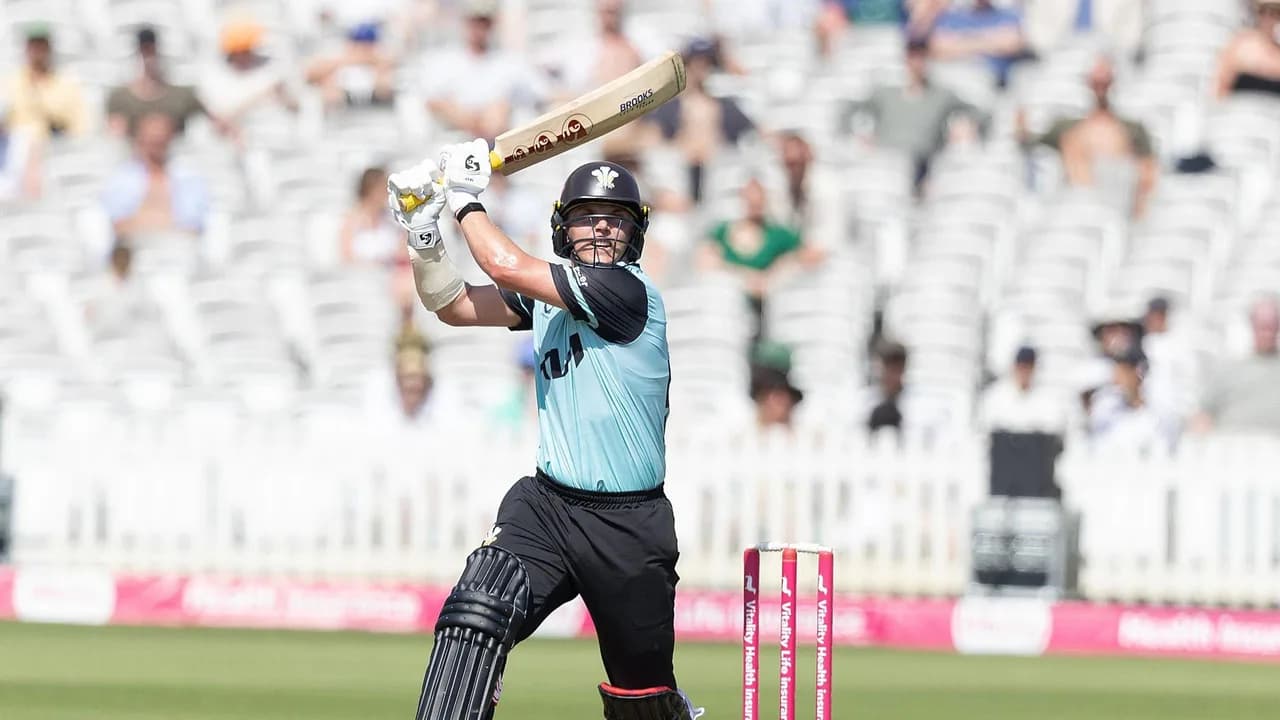
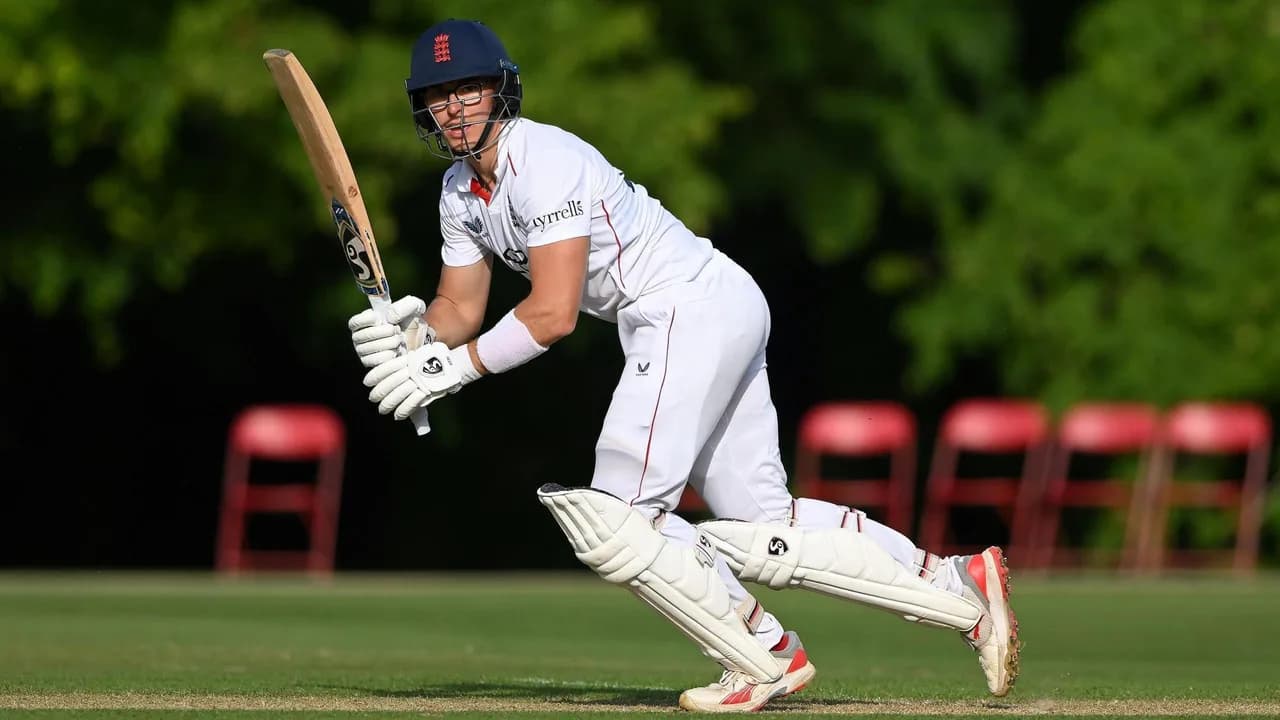
The franchise’s strategy appears to have shifted from assembling star-studded, disjointed line-ups to building a coherent, balanced squad with a clear identity. The early retention lists and draft strategy for 2026 suggest a focus on continuity and role clarity. In the men’s setup, the decision to build around the explosive batting of Jonny Bairstow and the leadership of Tom Kohler-Cadmore provides a stable core. The signing of powerhouse all-rounder Andre Russell in the draft adds the X-factor and death-overs prowess they have often lacked.
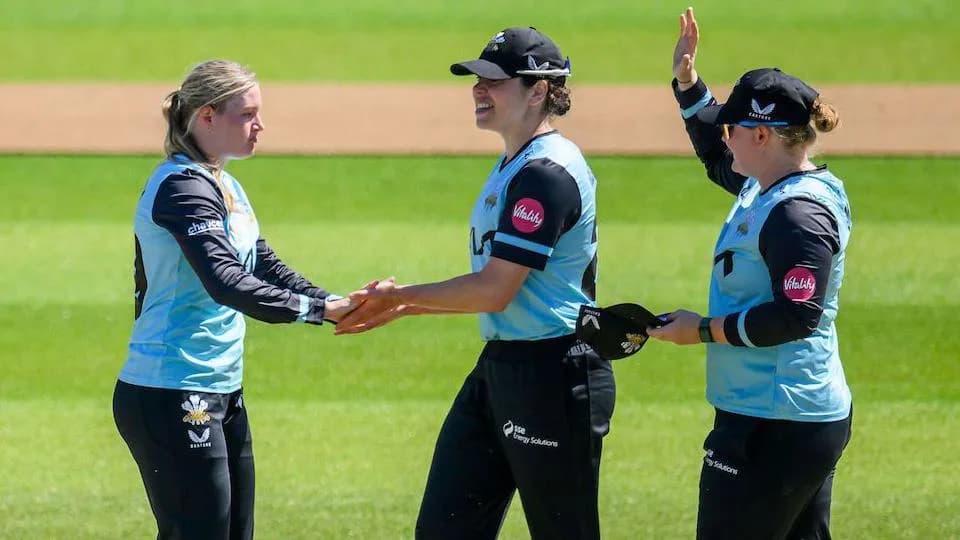
For the women’s team, the foundation is arguably even stronger. Retaining the world’s premier all-rounder, Sophie Ecclestone, is a coup, offering control with the ball and lower-order power. Alongside her, the experience of Tammy Beaumont at the top and the burgeoning talent of players like Georgia Elwiss creates a blend of proven quality and hungry potential. The key for Head Coach Gareth Breese will be forging these individuals into a unit that thrives under the tournament’s unique pressure.
Addressing Past Weaknesses
Analysis of previous campaigns highlights recurring issues that the 2026 squad seems designed to fix:
- Middle-Order Fragility: Both sides have suffered collapses that turned winning positions into defeats. The acquisition of players known for their finishing ability, like Russell in the men's team, is a direct response to this.
- Death Bowling: Conceding too many in the final 10 balls has been a chronic problem. The men’s recruitment of Lockie Ferguson and Russell, both elite T20 finishers with the ball, targets this weakness head-on.
- Home Fortress: Sophia Gardens has not been the intimidating venue it should be. Establishing a dominant home record is non-negotiable for any title challenge.
The X-Factors and Key Questions
On paper, the 2026 squads look competitive. The men possess frightening firepower, while the women have world-class spin and intelligent batting. However, The Hundred is won on the field, not on spreadsheets. Several questions will define their campaign. Can Jonny Bairstow translate his blistering Test form into a tournament-winning campaign? Will Sophie Ecclestone’s shoulder hold up to the relentless schedule, and can she dominate as both a wicket-taker and an economical force? Most importantly, can the team develop the winning habit and the mental resilience that has evaded them for five years?
The sentiment within the camp, however, is one of bullish optimism. New men’s head coach, former England wicketkeeper James Foster, has spoken of creating a “fearless” environment. In a recent interview, he outlined the ambition clearly: “We’re not here to make up the numbers. The goal for Welsh Fire in 2026 is unequivocally to win the competition. We have the players, we have the plan, and now we need to execute with conviction.”
A Fanbase Ready to Ignite
Perhaps the most significant factor in 2026 could be the crowd. Welsh sports fans are famously passionate and loyal, and after years of disappointment, they are yearning for a team to believe in. A strong start to the tournament could see Sophia Gardens become a cauldron of noise, providing the extra 5% that turns tight games. The connection between team and city, vital in this franchise model, has yet to be fully cemented. A winning run would change that overnight. As one long-suffering fan put it on social media: “We’ve carried the hope for five years. In 2026, we’re ready to carry the team. Just give us something to shout about.”
Conclusion: The Time is Now
The Hundred’s landscape is evolving. Other franchises have tasted success, and the competition’s novelty is maturing into established rivalry. For Welsh Fire, the ‘new team’ excuses have expired. The 2026 season presents a convergence of factors: more balanced squads, targeted recruitment addressing historic flaws, and a management team speaking openly of victory. The pieces, arguably for the first time, are in place. The challenge is monumental, requiring not just skill but a transformation in mentality—from hopeful participants to relentless contenders. The question is no longer if they have the talent, but whether they can wield it when it matters most. After five long years, 2026 must be the year the spark catches and Welsh Fire finally delivers.