
MUMBAI — England's reign as ICC Women's World Champions is over, dismantled in a brutal and one-sided semi-final thrashing by a dominant South Africa side. A majestic, record-breaking 169 from opener Laura Wolvaardt and a devastating five-wicket haul from all-rounder Marizanne Kapp powered the Proteas to a comprehensive 125-run victory, sending the defending champions crashing out of the tournament.
The result marks a stunning and disappointing conclusion to England's World Cup campaign, a stark contrast to their triumphant 2017 victory on home soil. From the moment South Africa won the toss and chose to bat, they seized control of the contest and never relinquished it, outplaying Heather Knight's team in every facet of the game. The defeat leaves England to ponder a failed title defense characterized by inconsistent performances.
Wolvaardt's Masterclass Sets the Stage
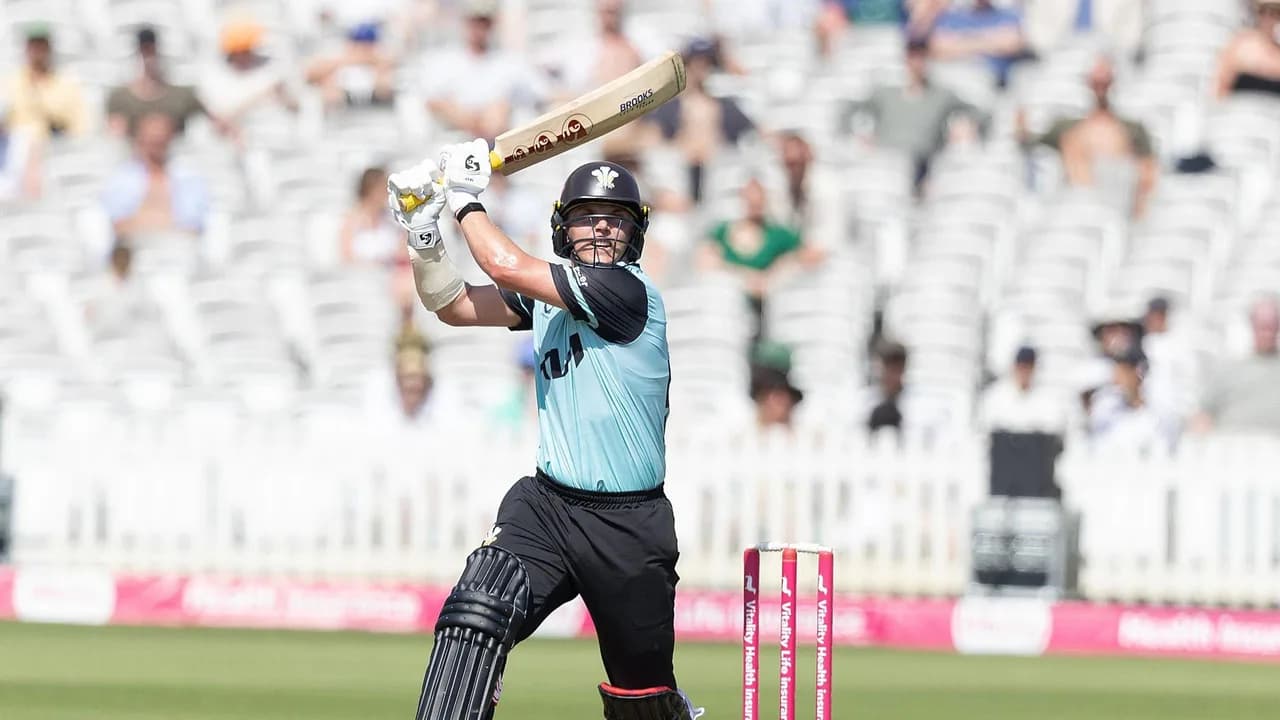
The foundation of South Africa's imposing total of 326/5 was a batting masterclass from the 24-year-old Wolvaardt. Playing with a serene composure that belied the high-stakes occasion, she crafted the highest individual score in a Women's World Cup knockout match. Her innings was a blend of classical, cover-driven boundaries and powerful hitting, striking 19 fours and 3 sixes in her 197-ball stay at the crease.
England's bowlers had no answer. Sophie Ecclestone, the world's number one bowler, was treated with particular disdain, conceding 77 runs from her 10 overs without taking a wicket. Wolvaardt's partnerships were crucial, first a steady 107-run stand with Tazmin Brits (61) and then a blistering, unbroken 124-run partnership with Chloe Tryon (28* from 14 balls) that plundered 91 runs from the final seven overs. An England team spokesperson later admitted, "We simply had no answers to Laura today. She was phenomenal."
England's Bowling and Fielding Woes Exposed
While Wolvaardt was sublime, England's performance in the field was error-strewn and ultimately costly. The issues were multifaceted, reflecting a team that appeared off the pace from the very beginning. Key problems included:
- Wayward Bowling: A plethora of full tosses and leg-side deliveries offered South Africa's batters a steady stream of scoring opportunities.
- Dropped Catches: A crucial early chance from Wolvaardt was put down, a miss that would prove astronomically expensive.
- Poor Death Bowling: The final powerplay was a capitulation, with the bowlers failing to execute their plans under pressure from Tryon.
Captain Heather Knight did not mince her words in the post-match presentation, stating, "We were way short today. We didn't bowl particularly well, we didn't field well, and we let them get 30 or 40 too many. It's incredibly disappointing."
Kapp Completes the South African Domination
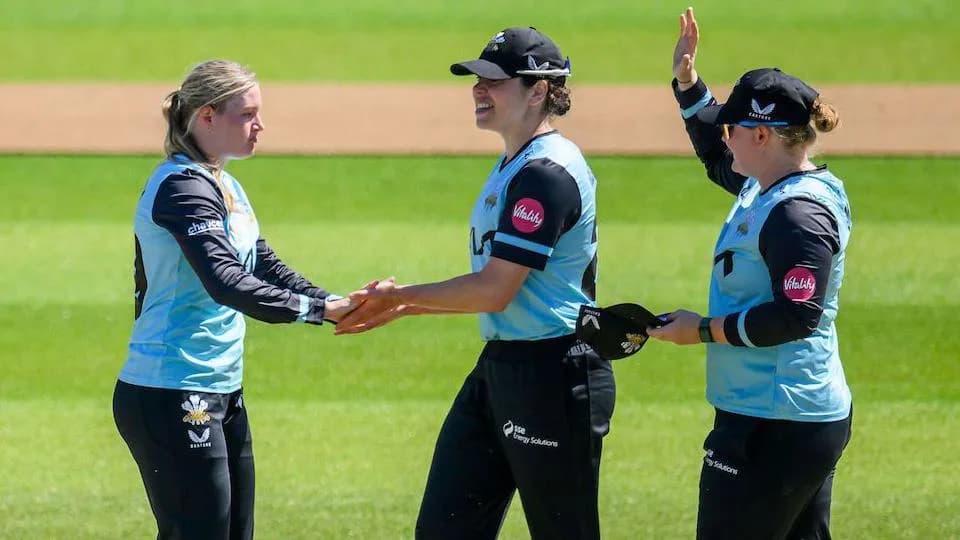
If Wolvaardt broke England's spirit with the bat, Marizanne Kapp shattered their hopes with the ball. Coming into the attack after the powerplay, the veteran all-rounder produced a spell of ferocious fast bowling that ripped the heart out of England's top order. She claimed the prized wickets of both openers, Danni Wyatt and Tammy Beaumont, in quick succession before returning to dismantle the middle order.
Kapp's final figures of 5 for 36 were her best in One-Day Internationals and represented the first five-wicket haul by a South African woman in a World Cup match. Her clinical execution under pressure exemplified the gulf in performance between the two sides on the day. England's chase never gained momentum, lurching to 201 all out in the 35th over.
A Painful Post-Mortem for England
The comprehensive nature of the defeat will prompt a serious inquest into the state of English women's cricket. The title defense was plagued by inconsistency, with heavy losses to Australia and South Africa in the group stage only partially offset by wins over lower-ranked teams. Key players failed to fire consistently throughout the tournament, and the team appeared to lack the tactical clarity and aggressive intent that has characterized their rivals.
Former England captain and commentator, Charlotte Edwards, summarized the feeling of many, saying, "This is a really tough one to take. You have to give immense credit to South Africa, they were outstanding. But England have been a shadow of the team we know they can be. There are some big questions to be asked now about the direction of travel."
A Landmark Victory for South Africa
For South Africa, this victory is historic. They have now reached their second consecutive Women's World Cup final, having lost to Australia in the 2022 tournament. The performance was a perfect team effort, built around a world-class individual performance but supported by disciplined bowling and electric fielding. Captain Sune Luus was beaming after the match, telling reporters, "This is what we dream of. The girls were unbelievable. Laura was just... wow."
The victory sets up a tantalizing final against the tournament's other powerhouse, Australia, who comfortably defeated India in the second semi-final. It promises to be a clash of the two form teams, with South Africa carrying the momentum of a statement win and Australia boasting an unparalleled record in World Cup finals.
Conclusion: The End of an Era for England
As South Africa celebrates a deserved place in the final, England is left to contemplate a future without the World Cup trophy. The 125-run margin is a stark reflection of their shortcomings in a match where they were thoroughly outplayed. The era that began with that magical day at Lord's in 2017 has now definitively ended. The challenge for the England and Wales Cricket Board and the team's management is to rebuild and rediscover the winning formula, or risk being left behind by a rapidly evolving women's game.
For now, the cricketing world's attention turns to the final, where a new champion will be crowned, built upon the ruins of England's disappointing exit.