Bostock Dismisses Concerns Over Stokes' Wellbeing
There are moments in cricket when the noise surrounding a player threatens to drown out the actual cricket. This week, Ben Stokes finds himself at the centre of exactly that kind of storm — yet the people who see him most closely are telling a very different story to those watching from afar.
Durham chief executive Tim Bostock has spoken out in unequivocal terms to defend his county's most celebrated player, describing himself as "bemused" by the public hand-wringing over Stokes' mental state. Speaking to BBC Look North, Bostock was categorical: "He has been absolutely fine. He is very positive and is always very positive." His assessment? "It is just normal Ben."
That kind of endorsement from someone inside the dressing room environment carries real weight. Whatever turbulence the past fortnight has brought, it appears Stokes has not let it affect his demeanour around his county colleagues.
The Nightclub Incident and Its Fallout
The saga began when Stokes and pace bowler Gus Atkinson were present at a London nightclub beyond England's team-imposed midnight curfew. During that evening, a member of security staff was struck by a Saracens rugby player — an incident that remains under investigation. Neither Stokes nor Atkinson is accused of the assault itself, but their breach of curfew was enough for the ECB to omit Stokes from the squad for England's second Test against New Zealand.
What surprised many observers — myself included — was the tone struck by England head coach Brendon McCullum at a press conference earlier this week. McCullum repeatedly used the word "worried" when discussing Stokes and pointedly declined to confirm that the 35-year-old would resume the captaincy. That kind of public ambiguity about a sitting captain is unusual, and it inevitably fed speculation that the relationship between player and management was under serious strain.
Bostock, however, suggested the initial 24-hour media frenzy was the real culprit in making things appear worse than they were. "I am sure he was thinking, 'What has happened here?' in the first day or so," Bostock acknowledged, but emphasised that clarity and calm have since prevailed.
Back on the Pitch at Chester-le-Street
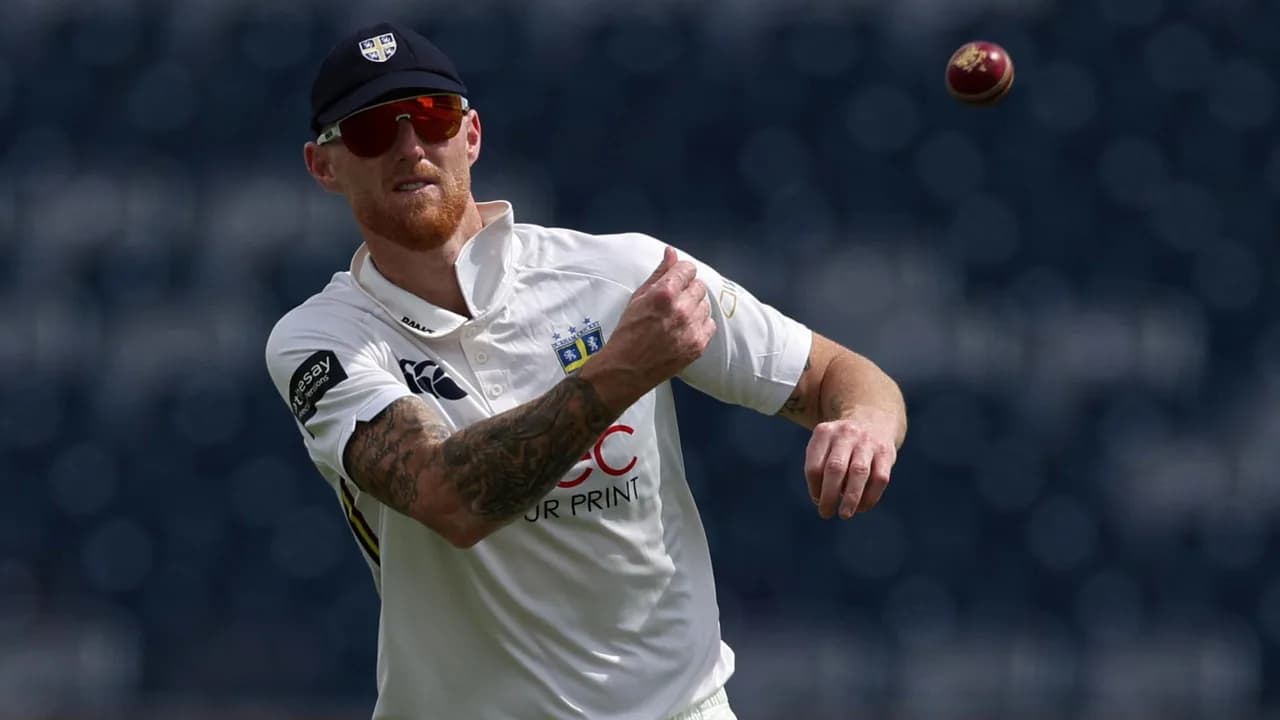
In many ways, the most grounding thing Stokes could do was play cricket — and that is precisely what he has done. Turning out for Durham against Northamptonshire in the County Championship, he sent down 18 overs and claimed 1-60, a respectable return for a man easing his way back into competitive action. There is something reassuring about watching a player let their performance do the talking.
From a cricket analytics perspective, his rhythm and workload management across those overs will be just as important to England's selectors as any wickets taken. After periods away from the game managing a knee condition, every competitive over is valuable data.
Captaincy Reinstatement Looking Increasingly Likely
Despite McCullum's carefully chosen words, there is a growing sense within the game that Stokes will indeed reclaim the captaincy for the third Test against New Zealand at Trent Bridge next week. Bostock himself noted that "common sense is prevailing," which reads more like a confirmation than a hope.
For the betting markets, Stokes returning as skipper at Trent Bridge would likely shorten England's series-levelling odds considerably — his leadership record at that ground is impressive, and his presence galvanises both dressing room and crowd.
Ultimately, if Durham's own chief executive is relaxed, and Stokes is putting in overs in the Championship, the picture looks far less dramatic than some press conferences suggested. England will be hoping this particular storm has nearly blown itself out.