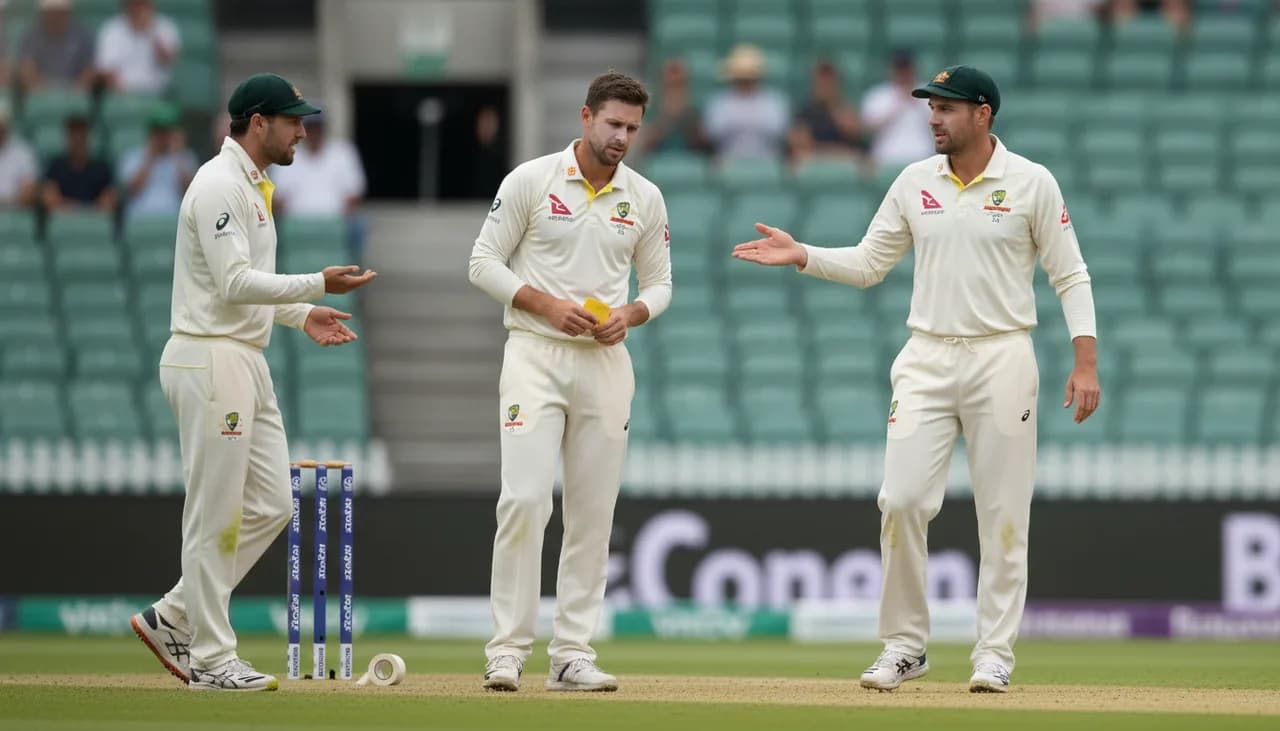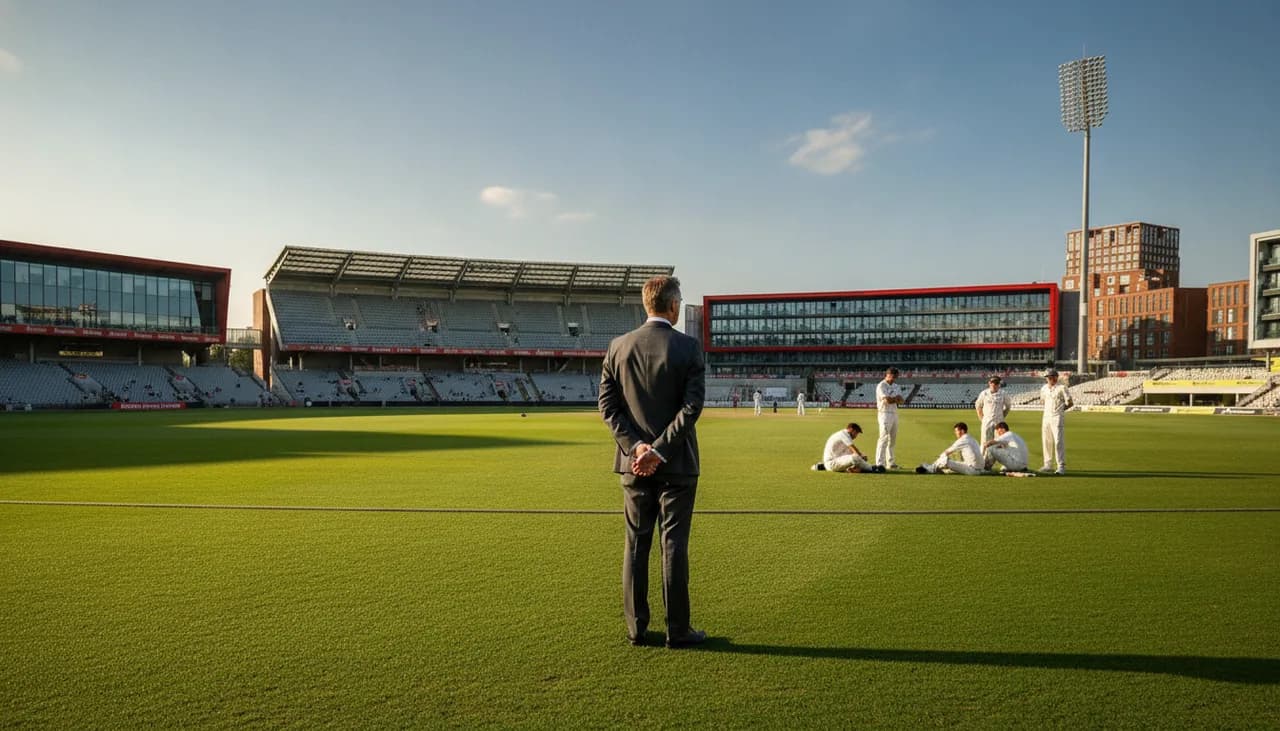
LONDON — The England and Wales Cricket Board (ECB) has confirmed it is in direct contact with the UK government regarding the safety of the England Lions squad currently training in the United Arab Emirates, following Iran’s unprecedented missile and drone attacks on Israel over the weekend. The Lions, England’s second-string side, are midway through a training and match camp in Abu Dhabi, a key preparatory phase ahead of the English domestic season.
In a statement issued on Monday, the ECB sought to reassure players, families, and fans, stating that the squad is "following official advice" and that the board is "monitoring the situation closely." The UAE, while geographically situated in the Gulf region, is approximately 2,000 kilometres from Israel and was not a target of the Iranian strikes. Nevertheless, the escalation of conflict in the Middle East has prompted a global review of travel and security advisories.
The Lions' Camp and Immediate Security Context
The 15-player Lions squad, led by captain Josh Bohannon and featuring several players with full international experience, arrived in the UAE in late March. The camp, based at the state-of-the-art facilities of the Zayed Cricket Stadium in Abu Dhabi, is designed to provide intensive red-ball preparation. It includes a four-day match against a County Select XI and several high-intensity training sessions, mimicking subcontinental conditions valuable for developing skills.
The immediate security context shifted dramatically on the night of April 13-14, when Iran launched over 300 drones and missiles towards Israel in retaliation for an alleged Israeli strike on its consulate in Damascus. The vast majority of the projectiles were intercepted by Israel and its allies, including the United States, United Kingdom, and Jordan. While the direct threat was contained to Israel, the act signalled a dangerous new phase of open confrontation between the two nations, raising tensions across the entire region.
A spokesperson for the ECB told media: "The safety and security of our players and staff is our absolute priority. We are in regular contact with the Department for Digital, Culture, Media & Sport (DCMS) and the Foreign, Commonwealth & Development Office (FCDO) and are following their official travel advice for the UAE, which currently advises exercising normal security precautions."
Official Advice and Risk Assessment Protocols
The ECB, like other national sporting bodies, operates a robust security protocol for overseas tours, developed in conjunction with specialist risk assessment firms and government agencies. The decision to proceed with, alter, or cancel any tour rests on a continuous evaluation of threat levels, guided primarily by the FCDO’s travel advisories. These advisories are tiered, ranging from advice to exercise normal precautions to warnings against all travel.
As of April 15, the FCDO advice for the UAE remains unchanged at the lowest risk level, stating: "Terrorists are likely to try to carry out attacks in the UAE. You should maintain a high level of security awareness." This is a standard warning applied to many nations and does not represent an escalation. The advice for Israel, in stark contrast, now warns against all but essential travel.
The ECB’s statement emphasized this point, noting the squad is adhering to this standing guidance. The board’s security team on the ground in Abu Dhabi is understood to be liaising with local authorities, the UAE Cricket Board, and their own intelligence sources to ensure the environment remains secure for cricket activities. Key measures typically implemented on such tours include:
- Close protection security for team movements between hotel and venue.
- Enhanced security screening at training and match facilities.
- Pre-vetted and secure transportation routes.
- Regular briefings for players and staff on safety procedures.
An industry source familiar with sports security noted: "The UAE is one of the most secure sporting hubs in the world, with immense experience hosting global events. The protocols there are second to none. The current assessment is that the direct threat is geographically contained, but the situation is, of course, highly fluid."
Broader Implications for the Cricket Calendar
The situation underscores the complex geopolitical landscape modern cricket must navigate, particularly with the UAE and other Gulf nations serving as neutral hosts for so much international cricket. The UAE was a long-term home for Pakistan cricket and regularly hosts franchise leagues like the ILT20 and the Pakistan Super League, as well as bilateral series.
The immediate focus is on the Lions camp, which is scheduled to conclude on April 21. However, observers note that prolonged regional instability could have implications for future schedules. England’s senior men’s team is not scheduled to tour the region imminently, but other nations have fixtures planned. The International Cricket Council (ICC) also maintains its headquarters in Dubai.
A former England team manager, speaking on condition of anonymity, reflected: "These decisions are never taken lightly. You have a duty of care to your people, but you also can’t react to every global event without clear, specific intelligence. The communication with government is crucial—they have the full picture that a sporting body simply doesn’t."
Player Welfare and Focus on Cricket
For the players in the Lions squad, the priority remains cricket, albeit with an awareness of the news from the region. The camp is a critical opportunity to impress the national selectors ahead of a busy summer that includes Test series against the West Indies and Sri Lanka. Disruption would be a significant setback for their development and preparation.
The ECB’s communication has been designed to provide clarity and minimise unnecessary alarm. By stating publicly that they are following official advice, the board aims to project a sense of controlled, informed management. The players’ families have been kept informed through direct channels, a standard practice to prevent concern based on media headlines alone.
One player’s representative commented: "The ladders have been assured that the experts are on top of it. Their job is to play cricket, and the ECB’s job is to ensure they can do that in a safe environment. At the moment, the message is that it’s business as usual, but with heightened vigilance."
Conclusion: A Watchful Eye on the Horizon
As of now, the England Lions camp in Abu Dhabi continues as planned. The ECB’s confirmation of contact with the government serves as both a reassurance and an acknowledgment of the serious, evolving situation in the Middle East. The board has struck a cautious but proactive tone, emphasising its reliance on professional security advice over speculative fear.
The coming days will be critical in determining whether the conflict between Iran and Israel de-escalates or enters a new, more volatile cycle. For the ECB and other sporting bodies with interests in the region, the episode is a stark reminder that the global sports calendar is increasingly interwoven with international diplomacy and security. The final line of the ECB’s statement perhaps best captures the current stance: "We will continue to monitor the situation closely and update our plans accordingly, always putting safety first." For the aspiring England cricketers in Abu Dhabi, the hope is that their focus can remain solely on mastering the forward defence and not on geopolitical defences.