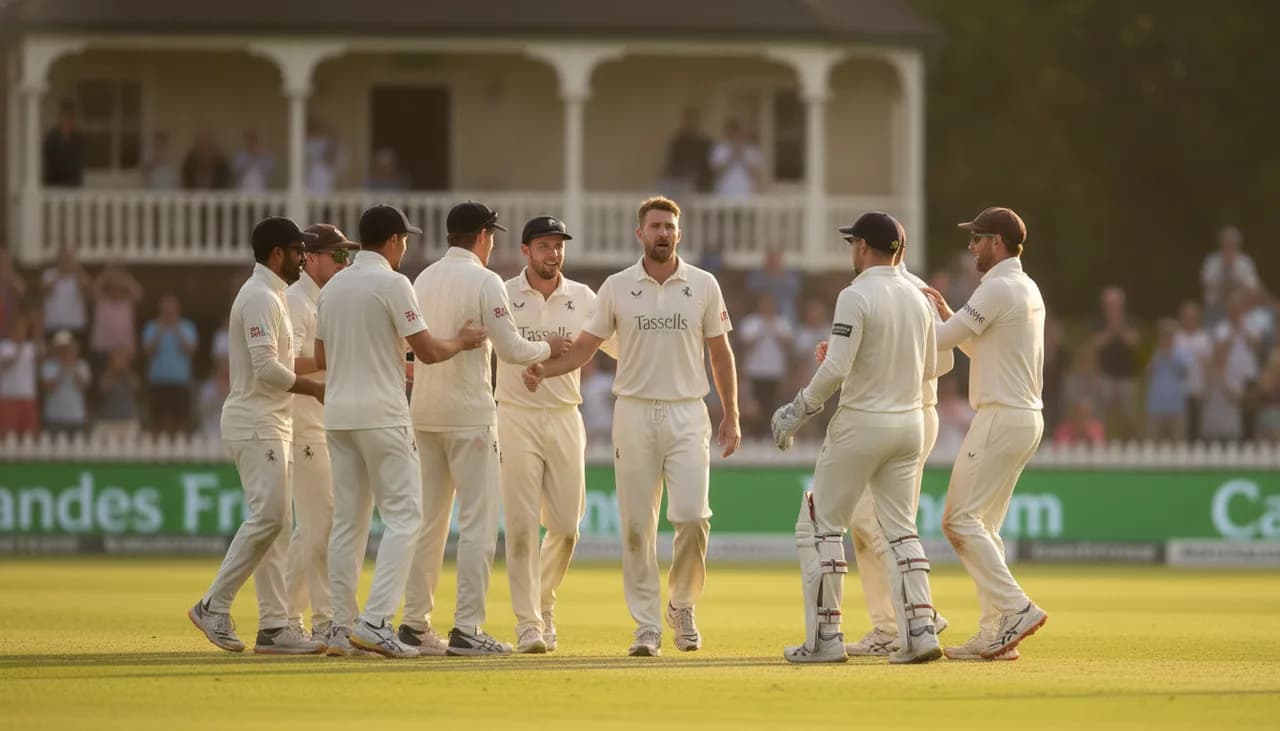
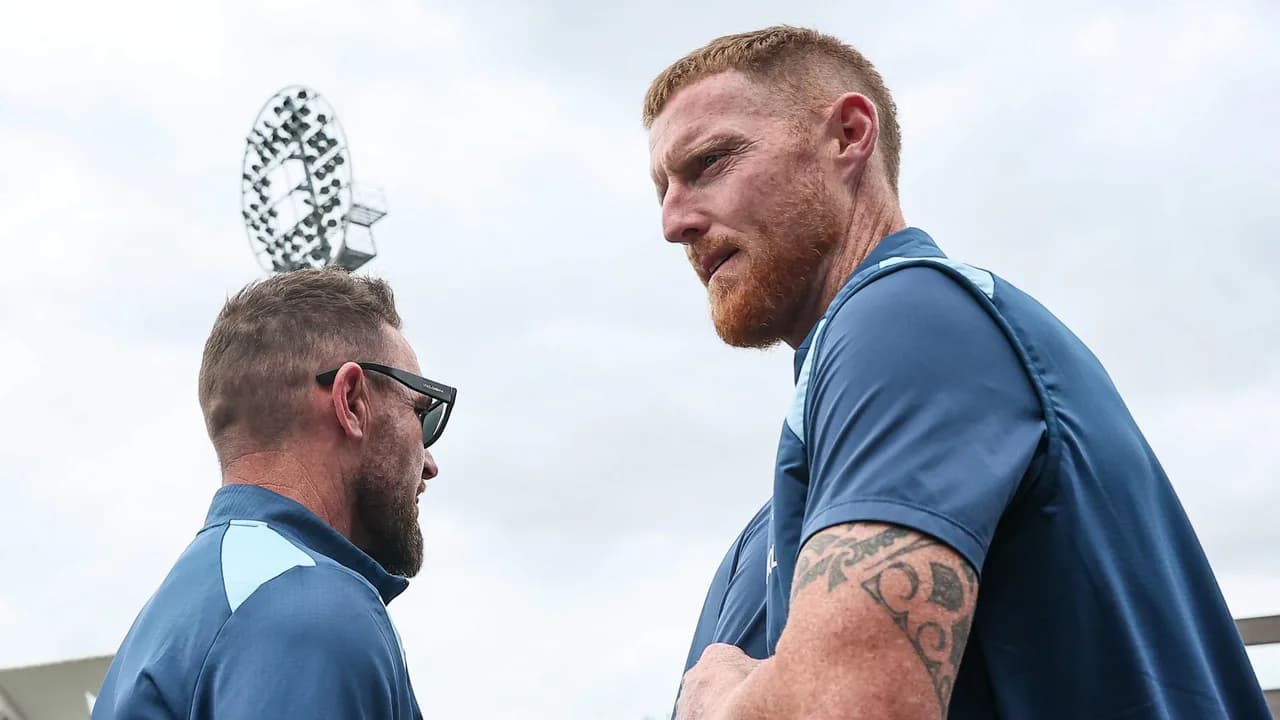
English cricket finds itself in genuinely uncharted territory. The loss of a home Test series of three or more matches for the first time since 2012, combined with the sudden retirement of Ben Stokes from the Test captaincy, has left the game in this country scrambling for answers. This was meant to be a new chapter — a clean slate after the Ashes — but the New Zealand series has only deepened the uncertainty. As someone who has spent years coaching and analysing the game, I can say with confidence: this moment demands clear-eyed leadership, not panic.
The Stokes Void — Bigger Than Anyone Anticipated
Ben Stokes was never just a captain. He was the embodiment of the aggressive, expressive brand of cricket that Brendon McCullum installed when the pair took over in 2022. His retirement from the role leaves a gap that is not simply tactical — it is cultural. England have now lost seven of their last nine Tests and have not claimed a series victory since the end of 2024. Those numbers would look alarming under any leader, but without Stokes marshalling the dressing room, the outlook appears even bleaker. For those monitoring the outright Ashes winner markets, England's position will have lengthened considerably in recent weeks.
McCullum and Key — Time Running Out?
Both head coach Brendon McCullum and managing director Rob Key were given a vote of confidence by the ECB as recently as March, following an internal review into the 4-1 Ashes defeat. That decision already looked questionable before this series concluded; it looks far more difficult to defend now. McCullum, to his credit, has spoken openly about his desire to remain in the job, and in the immediate aftermath at Trent Bridge he carried himself like a man expecting to see this through. Whether the ECB hierarchy — and ECB chief executive Richard Gould, whose own position is attracting scrutiny — afford him that opportunity is another matter entirely. The review process itself is now under the microscope, which suggests the pressure at board level is as significant as anything happening on the pitch.
Harry Brook — Ready for the Biggest Job?
Harry Brook is the name on everyone's lips as a potential Test captain, and there is genuine substance behind that conversation. Brook already leads the white-ball side and will captain England in their upcoming T20 series against India, starting at Chester-le-Street, with McCullum alongside him in the dugout. Three one-day internationals follow. That gives selectors and administrators a useful window to observe him in a leadership capacity before the first Test against Pakistan at Headingley — a match that is now exactly one month away. Brook is supremely talented and commands respect in the dressing room, but inheriting a side mid-crisis is a very different proposition to a planned, structured transition. Those in the betting markets have already installed him as the strong favourite for the permanent Test captaincy.
What Must Happen Before Pakistan Arrive
The ECB cannot afford to drift into the Pakistan series without making definitive decisions. A captain must be confirmed, a clear coaching structure must be in place, and the board itself must signal that it understands the scale of what has gone wrong. Tinkering at the edges will not be sufficient. The so-called Bazball philosophy was exhilarating when it worked, but it always carried an inherent vulnerability — and opponents have now found reliable ways to exploit it.
English cricket has recovered from darker moments than this, and the talent within the system remains considerable. But recovery requires honesty, decisive action, and the right people in the right roles. The next four weeks will tell us a great deal about whether those in charge are truly capable of delivering that.