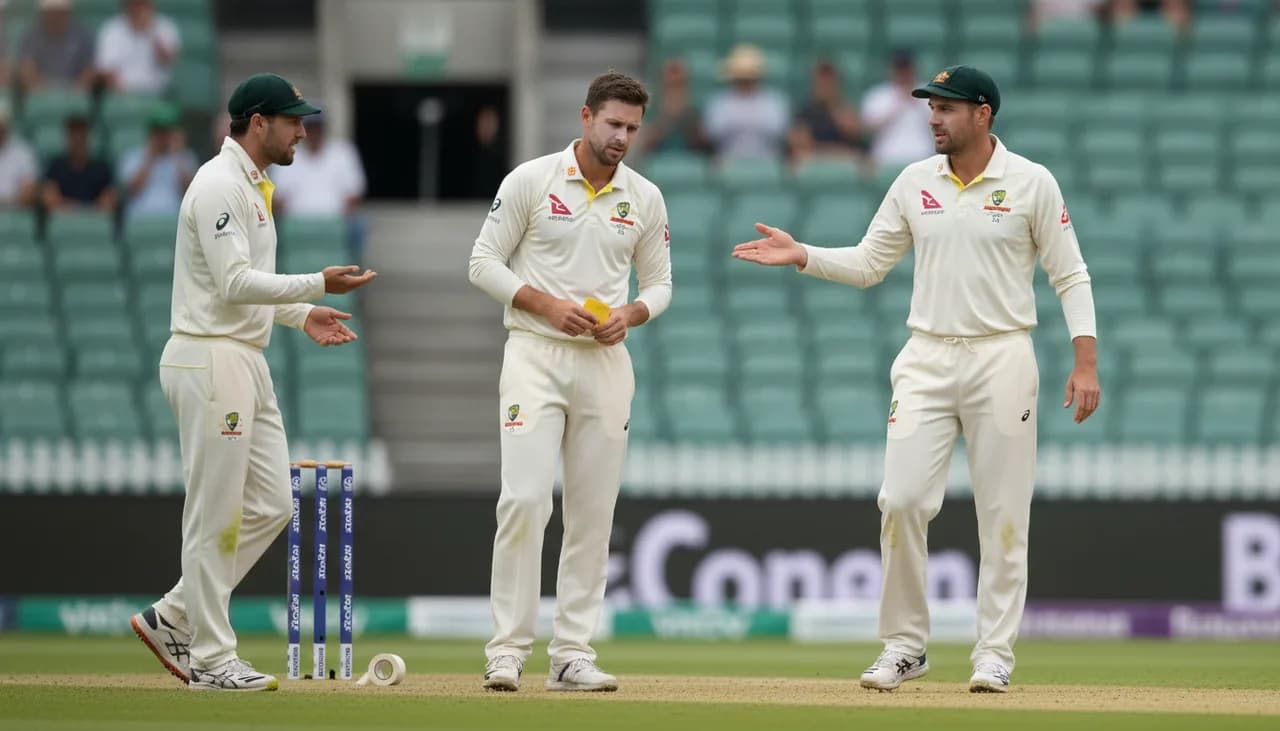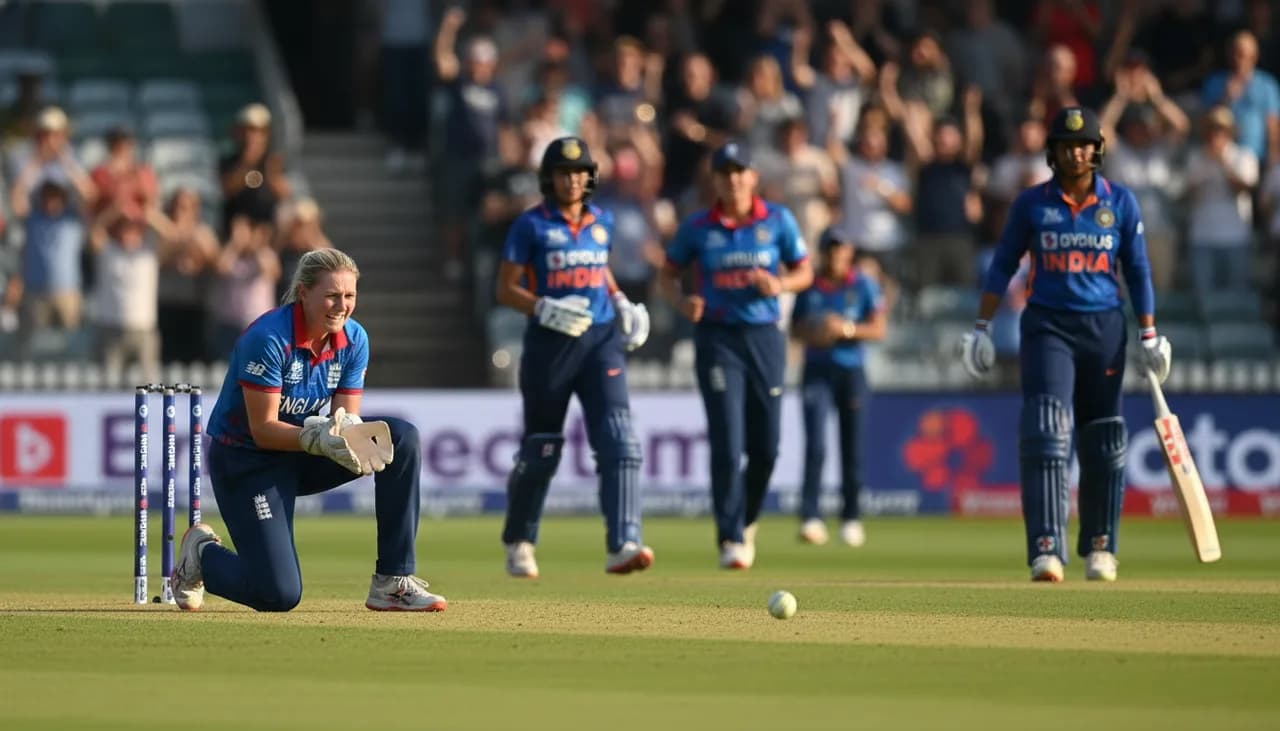
LONDON — The dust has settled on a pulsating Ashes summer, but the echoes of England's 2-2 draw with Australia will reverberate for years to come. While the urn remains in Australian hands, the series was a testament to the thrilling, chaotic brand of cricket championed by Ben Stokes and Brendon McCullum. Yet, beneath the surface of 'Bazball' bravado, individual performances have cast long shadows over future selections. Some players have cemented legendary status, while others face an uncertain international road ahead. Here are our comprehensive player ratings for the 2023 Ashes.
England: The Entertainers with Questions to Answer
England's commitment to their aggressive philosophy was never in doubt, producing moments of sheer brilliance that captivated the nation. However, the drawn series, which required a stirring comeback from 2-0 down, also exposed familiar frailties. The top-order batting, save for one colossal exception, was inconsistent, and the bowling attack often looked one-dimensional in its search for wickets, sometimes at the expense of control.
The Batting: A Tale of Two Eras
Zak Crawley (7/10): The series' breakout star for England. Crawley embodied the 'Bazball' ethos from the first ball at Edgbaston, his stunning 189 at Old Trafford a masterpiece of controlled aggression. He finished as the series' leading run-scorer (480 at 53.33), silencing critics and locking down the opener's spot for the foreseeable future. His challenge now is consistency across all conditions.
Ben Duckett (6/10): A curious series. Duckett's nimble footwork and sweeps were a potent weapon against Nathan Lyon, especially in his rapid 98 at Lord's. However, his technical limitations against high-quality seam bowling were exposed repeatedly outside off-stump. He provides a unique left-handed dynamic, but his place will be scrutinised on tours where the ball moves more.
Ollie Pope (3/10): A disastrous series that ended prematurely with a shoulder injury. Promoted to vice-captain and number three, Pope looked horribly out of sync, managing just 90 runs in six innings. His frenetic dismissals betrayed a player overthinking the mandate. At just 25, his talent is undeniable, but his technical and mental game at Test level requires a significant reset.
Joe Root (8/10): The maestro adapted seamlessly to the new environment. While still capable of classical centuries (his unbeaten 118 at Edgbaston was sublime), Root unveiled a thrilling new dimension: the reverse-ramp for six off Pat Cummins at Edgbaston became the series' iconic image. He was a reliable pillar in a shaky top order, contributing vital runs and his ever-dependable off-spin.
Harry Brook (7/10): The heir apparent announced himself on the biggest stage. Brook's fearless striking was a constant menace, his 75 at Headingley under immense pressure a match-winning knock. He showed he could blend attack with sensible defence. While he had a couple of low scores, his future is blindingly bright. As one pundit noted, "He plays with the fearlessness of youth and the clarity of a veteran."
Ben Stokes (Captain - 9/10): Transcended his own batting struggles with inspirational leadership. His defiant 155 at Lord's, battling a chronic knee injury, was one of the great Ashes innings in a losing cause. His tactical bravery, notably the first-day declaration at Edgbaston, defined the series' tone. He extracted everything from his players and almost pulled off a miraculous series win from an impossible position.
Jonny Bairstow (WK - 5/10): A series of extreme highs and lows. Bairstow's blistering 78 at Old Trafford and 99* at Oval showed his match-winning power. However, his wicketkeeping was consistently poor, with several costly missed chances. The 'stumping' controversy at Lord's overshadowed his return. He remains a formidable batter, but the keeping gloves for India this winter are far from guaranteed.
The Bowling: Heart, Hustle, and Heroics
Stuart Broad (9/10): Scripted a fairytale retirement. Announcing his decision mid-series, Broad elevated his game, claiming the vital wickets of David Warner and Marnus Labuschagne time and again. His spell with the old ball at The Oval, and the winning wicket, was pure theatre. He bowed out as a true Ashes warrior, leaving a monumental void.
Chris Woakes (8/10): The series' most impactful bowler. Recalled at Headingley, he was England's MVP, taking 19 wickets at 18.14 and contributing crucial lower-order runs. He provided the control and seam movement England's attack desperately lacked, winning the Compton-Miller Medal as player of the series. His home record is phenomenal, but questions about his effectiveness abroad persist.
Mark Wood (8/10): The ultimate impact weapon. His 5-wicket burst at Headingley, bowling at 96mph, single-handedly changed the series momentum. He scared Australian batters in a way no English bowler has for a generation. Managed carefully due to his injury history, his short, explosive spells were worth their weight in gold. "He brought the thunder," as Stokes succinctly put it.
Other bowlers had mixed fortunes:
- James Anderson (4/10): A tough series. England's greatest ever seamer looked uncharacteristically flat, taking just 5 wickets at 85.40. He lacked rhythm and potency, raising difficult questions about his future at 41.
- Ollie Robinson (5/10): Showed class with ball and bat at times, but fitness issues and a perceived lack of intensity became a narrative. His future depends on proving his durability.
- Moeen Ali (6/10): Answered the emergency call admirably. His vital 3-wicket haul at The Oval was decisive. Battled a finger injury but provided the spin option England needed.
Australia: The Champions with a New Superstar
Australia retained the Ashes, their primary objective, but will feel this was a missed opportunity to win a series in England for the first time since 2001. Their resilience was champion-like, but they were often out-entertained and reliant on moments of individual genius to bail them out of precarious situations.
Travis Head (10/10): The undisputed player of the series and a new all-format superstar. Head's counter-attacking centuries at Edgbaston and The Oval were masterclasses in changing the game's momentum. He consistently rescued Australia from trouble, playing a high-risk, high-reward game to perfection. Voted Player of the Series by both teams, he has evolved into Australia's most vital batter.
Usman Khawaja (8/10): The rock. Khawaja batted for over 1,000 minutes in the series, facing more balls than anyone else. His monumental 141 and 65 at Edgbaston set the tone for Australia's retention. He provided the stoic resistance that allowed Head and others to play with freedom, embodying the old-fashioned Test match grit.
Pat Cummins (Captain - 7/10): A mixed bag. Brilliant with the ball at times (6/91 at Edgbaston, 4-wicket haul at The Oval), he faced criticism for sometimes conservative field settings and a lack of tactical flexibility. However, he led from the front with crucial contributions, including a match-winning 44* at Edgbaston. Retaining the Ashes in England is a historic achievement for his captaincy.
Mitchell Starc (8/10): Overcame early omission to become Australia's most potent bowler. His 9-wicket match haul at Lord's and crucial strikes at key moments were invaluable. While expensive at times, he took the important wickets, including the key scalps of Root and Stokes on multiple occasions, finishing as the series' leading wicket-taker (23).
Other notable Australian performers:
- Mitchell Marsh (7/10): His stunning 118 at Headingley in his first Test in four years was a series highlight. Provided vital balance and powerful hitting, though his bowling was underutilised.
- Alex Carey (WK - 6/10): Kept neatly and had useful contributions with the bat, but will be forever remembered for the Bairstow stumping that ignited the series' fire.
- Marnus Labuschagne (5/10) & Steve Smith (6/10): The star duo had quiet series by their astronomical standards. Both scored important half-centuries but failed to convert, leaving a feeling of unfulfilled potential.
Conclusion: Futures Forged and Fragile
This Ashes series was a classic that delivered drama, debate, and a dramatic shift in momentum. For Australia, Travis Head has ascended to the pantheon of modern greats, while veterans like Khawaja and Starc proved their enduring class. For England, the 'Bazball' project has gained legitimacy but also exposed its limits and the players who may not fit its future. The retirements of Broad and possibly Anderson signal the end of an era, while questions hang over Pope, Duckett, and Bairstow's role.
The 2023 Ashes ultimately proved that Test cricket can be the most compelling sport on earth. It forged a new Australian hero in Travis Head and left England with a tantalising vision of the future, albeit one with several pieces of the puzzle still missing. The road to the next Ashes down under begins now, and for some players on both sides, this summer's performances have made that road look decidedly rocky.