A New Standard Under Edwards
There was a time, not so long ago, when England's fielding was a genuine liability. Chances went begging, athleticism was questioned, and the team paid a painful price — most notably during a 16-0 Ashes series defeat in Australia in 2024-25, and an early exit from the previous T20 World Cup. The problems were well documented in the press, but as Alice Capsey is keen to point out, the players themselves knew they weren't hitting the marks they had set internally either.
When Charlotte Edwards stepped into the head coach role last April, she wasted little time in making her expectations crystal clear. Players would be held personally accountable for their fitness levels, and minimum standards were introduced across three key physical pillars: power, speed, and endurance. Crucially, those benchmarks were tailored to each individual, taking into account body type and their specific role within the squad — a sensible, modern approach that signals a genuine shift in culture rather than a one-size-fits-all demand.
Capsey: 'We're Starting to See the Benefits'
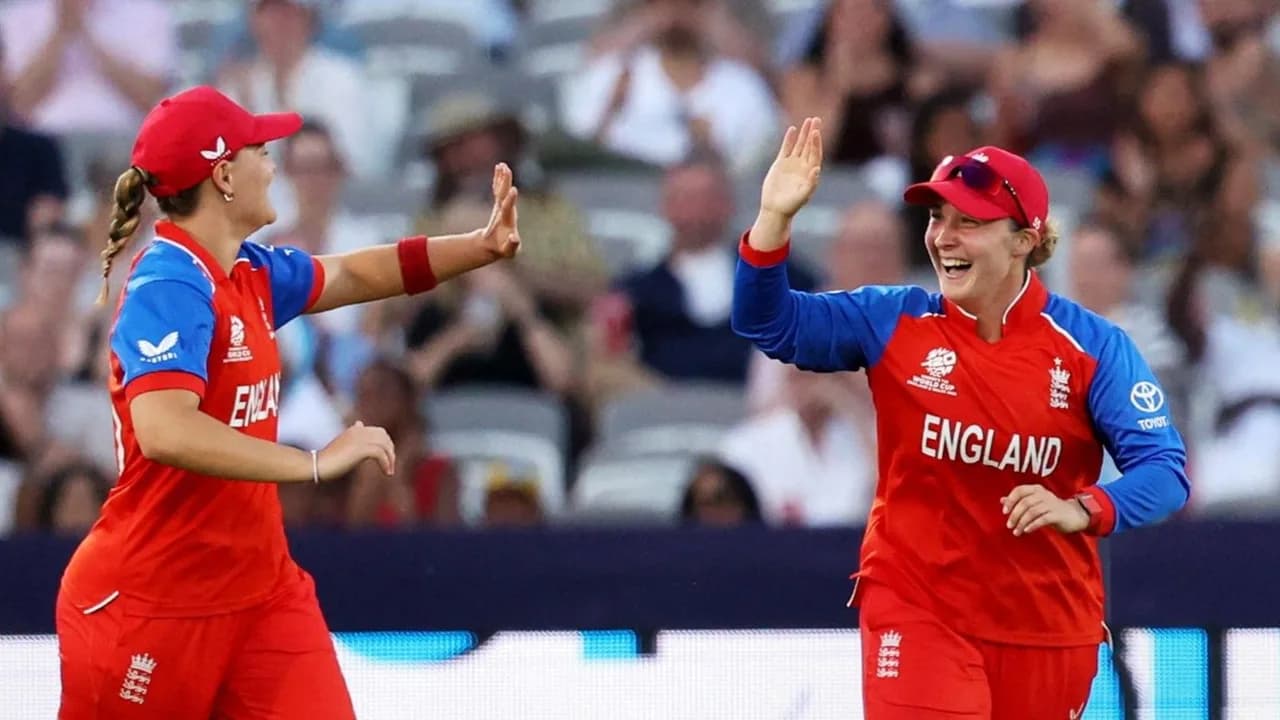
All-rounder Alice Capsey has been one of the more vocal players on the subject, speaking candidly to BBC Sport about the transformation that has taken place within the camp. "We've put a massive shift in with our fitness, our fielding," she said. "It was talked about a lot in the media but we were also not living up to our standards we wanted to perform at as well. We're starting to see the benefits of that now."
It is the kind of honest self-assessment that suggests the squad has bought in fully to Edwards' methods. Former England spinner Alex Hartley had been among the critics to raise concerns about fitness levels under the previous regime, so the current mood represents quite a turnaround. Capsey also highlighted the infectious energy the improved fielding has brought to the group: "Fielding seems to be a really enjoyable and fun thing at the minute. We're all running around with smiles on our faces." She singled out all-rounder Dani Gibson — affectionately nicknamed 'Gibbo' — for her boundary work in particular, praising saves and catches that the side might previously have shied away from attempting.
Context Behind the Catch Numbers
England's catch success rate of 52% at this World Cup might raise an eyebrow at first glance, but raw figures can be misleading. Against West Indies at Lord's, England did drop six chances — however, five of those were rated as ranging from tough to genuinely very difficult. That context matters enormously. Capsey herself contributed a clean catch at long-on to remove Deandra Dottin in that fixture, an example of the improved athleticism and confidence in the deep that Edwards has worked hard to instil.
England have already secured their place in the semi-finals before Saturday's group-stage finale against New Zealand at The Oval — a result that will only sharpen their focus on what lies ahead rather than what is at stake in the immediate match. For those watching the outright betting markets, England's assured progression and the visible improvement in their fielding unit will likely have shortened their odds for the latter stages of the tournament.
Building Towards the Semi-Finals
As a former coach myself, I know how difficult it is to shift a team's culture around fitness — it takes time, buy-in, and a willingness to be uncomfortable. What Edwards has done in a relatively short period is genuinely impressive. The groundwork laid over the past year appears to be translating into real competitive advantages, and with the knockout rounds approaching, England look a considerably more complete side than the one who struggled so visibly twelve months ago. If the fielding holds up when the pressure intensifies, this England team could go a long way.