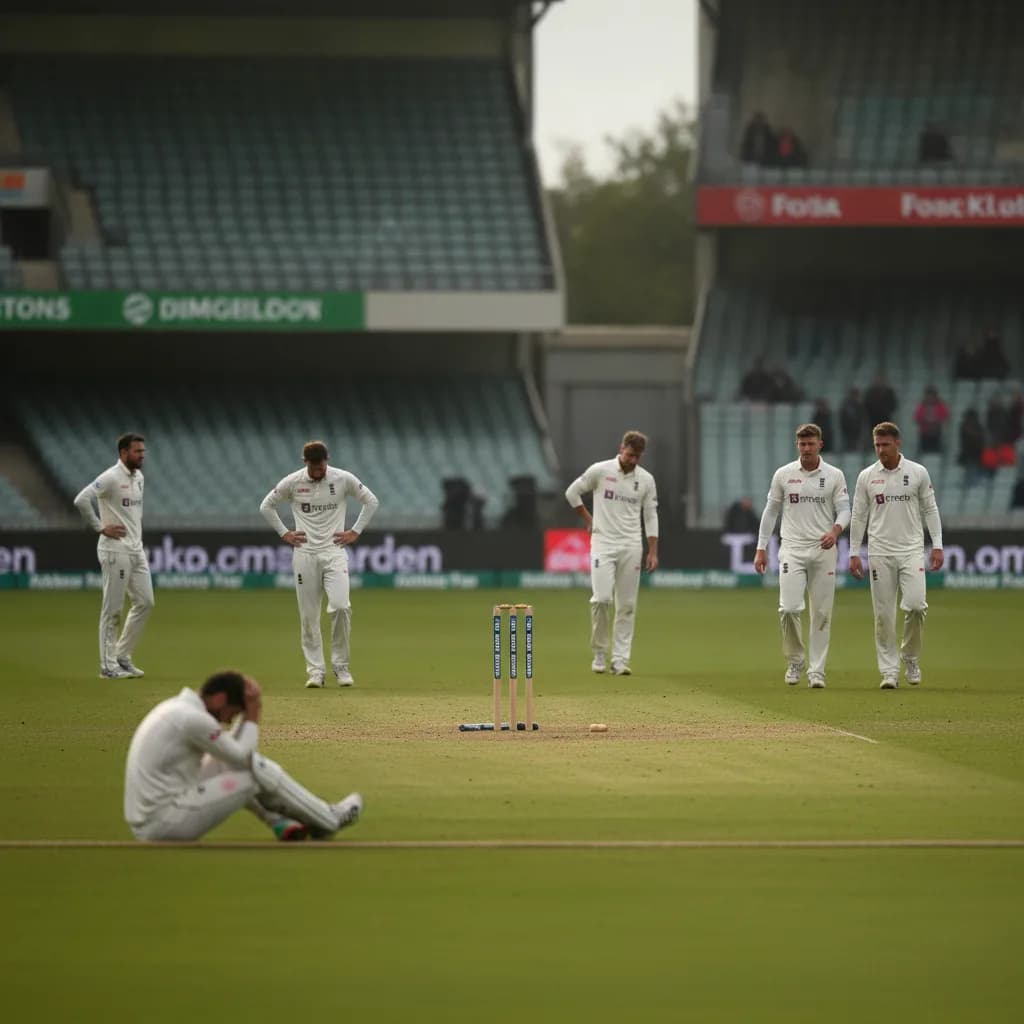
An Unusual Kind of England Summer
There's something almost surreal about preparing for a cricket match at Lord's as though you're setting up for a desert Test in Karachi. But that's precisely the situation England Women's stand-in captain Charlie Dean found herself addressing ahead of their T20 World Cup Group 2 fixture against West Indies on Wednesday evening. With London forecast to bake under temperatures of around 35 degrees Celsius — enough to trigger a rare red heat warning — this is shaping up to be one of the most unusual home conditions England's women have ever played in.
The match is scheduled for an 18:30 BST start, and despite travel warnings in place across much of the country, the ICC and ECB have confirmed it will go ahead. With England sitting pretty at the top of Group 2 with three wins from three, the stakes are high — and so, frankly, is the mercury.
Formula One Tricks on a Cricket Field
As a former coach, I've seen players wilt badly in unexpected heat, and the smart teams are always those that plan ahead rather than react. England, to their credit, appear to have thought this through carefully. Dean has spoken publicly about the range of cooling methods her squad will be deploying, including the kind of insulated cooling vests commonly associated with Formula One drivers, who rely on them to regulate body temperature before climbing into scorching cockpits. Ice packs and tubular grips stuffed with ice to be worn around the neck have also been mentioned as part of the toolkit.
These aren't gimmicks — in extreme heat, core body temperature management can be the difference between sharp decision-making in the field and costly errors late in an innings. The ICC and ECB both have formal extreme heat protocols in place, with medical teams and safety officials on standby throughout the evening.
The Science of Staying Cool — Even With a Mint
One detail that caught my attention was Dean's mention of chewing gum and mints as a way of feeling cooler. It sounds almost too simple, but she's right that there's genuine science behind it — menthol activates cold-sensitive receptors in the mouth, creating a perception of coolness even without any actual drop in temperature. It won't replace proper hydration or the cooling vests, but in a tight match situation, every psychological edge matters.
Dean also referenced England's experiences of playing in hot conditions abroad, particularly in India and Australia, noting that the squad understands how sapping that kind of heat can be on the body. Wednesday's temperatures could rival those seen in some subcontinental fixtures, making that prior experience genuinely valuable.
Historical Context and What's at Stake
For context, the last time English conditions produced heat comparable to Wednesday's forecast was during a men's match between England and South Africa at Chester-le-Street, where temperatures climbed to 38°C and spectators required medical assistance in the stands. Wednesday is unlikely to quite reach those levels, but it's in the same ballpark — and that should not be taken lightly by anyone inside or outside the ground.
From a tournament perspective, England are in an enviable position. Their perfect record in Group 2 makes them strong contenders to progress deep into the competition, and those tracking the outright winner market will have noticed their odds shortening with each victory. A fourth consecutive win here would only reinforce that confidence further.
Ultimately, Wednesday's match at Lord's presents England with a challenge that goes well beyond the opposition. If Dean's side manage the conditions as professionally as they've managed their cricket so far, there's no reason to expect anything other than another strong performance — however warm it gets.