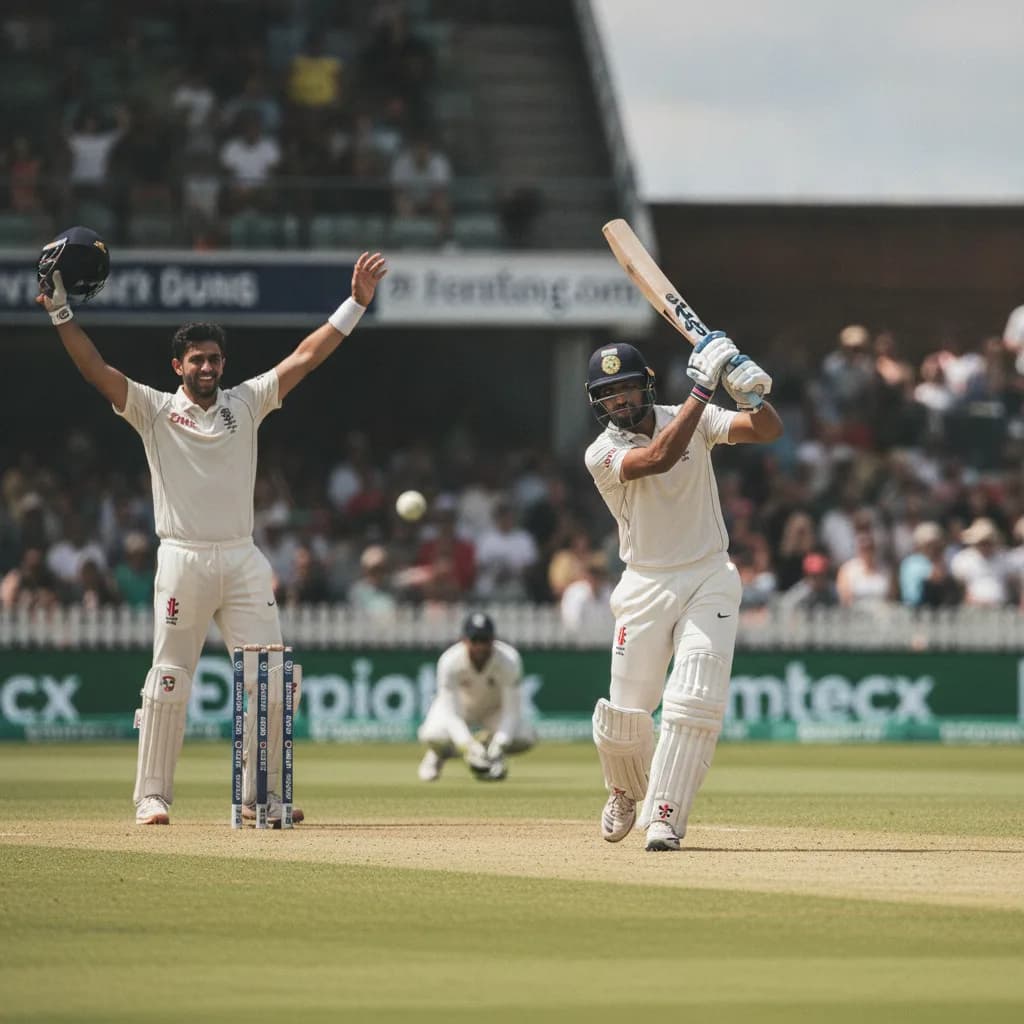

England's preparations for this summer's home Women's T20 World Cup have taken an unconventional turn, with the entire 15-player squad forgoing this weekend's county fixtures to participate in an intensive military training programme with the British Army. The decision represents a bold departure from traditional cricket preparation, prioritising mental fortitude over match practice in the crucial build-up to the tournament.
Military Mindset for Cricket Success
The weekend camp, taking place at an undisclosed UK location, will concentrate on developing crucial psychological skills including decision-making under extreme pressure, building resilience, and maintaining peak performance when stakes are highest. These attributes mirror the demands of international cricket, particularly at a home World Cup where expectations and scrutiny reach fever pitch. Clare Connor, the ECB's managing director of women's cricket, described the opportunity as "priceless" for handling the pressure moments that await the squad.
Timing and Tournament Preparation
The military exercise comes precisely one week before England's international summer commences with the first of three ODIs against New Zealand on 10 May. Following this series, Charlotte Edwards' side will face New Zealand in three T20 internationals before hosting India for another T20 trilogy. This carefully orchestrated schedule builds towards England's World Cup opener against Sri Lanka on 12 June, giving the team multiple opportunities to fine-tune their approach against quality opposition.
Historical Precedent and Mixed Results
Military training camps have featured sporadically in English cricket's recent history, with varying degrees of success. The men's team famously undertook a five-day bootcamp in a German forest before their triumphant 2010-11 Ashes campaign in Australia. Despite James Anderson sustaining a broken rib during boxing training, that experience was widely credited with forging the unity that delivered series victory. However, a subsequent camp in Staffordshire before the disastrous 2013-14 return tour serves as a cautionary tale about the unpredictable nature of such preparation methods.
Building on Winter Foundations
This military camp continues England's alternative approach to World Cup preparation, having already sacrificed domestic 50-over matches earlier this month for T20-specific training sessions. With no international cricket throughout the winter, Edwards has prioritised intra-squad development and specialised skill workshops over traditional match preparation. This strategy reflects growing confidence in the squad's technical abilities, shifting focus towards the mental aspects that often determine success at major tournaments. The emphasis on pressure situations and collective resilience suggests England are preparing for the unique challenges of hosting a World Cup on home soil, where external expectations and media attention will intensify throughout the competition.