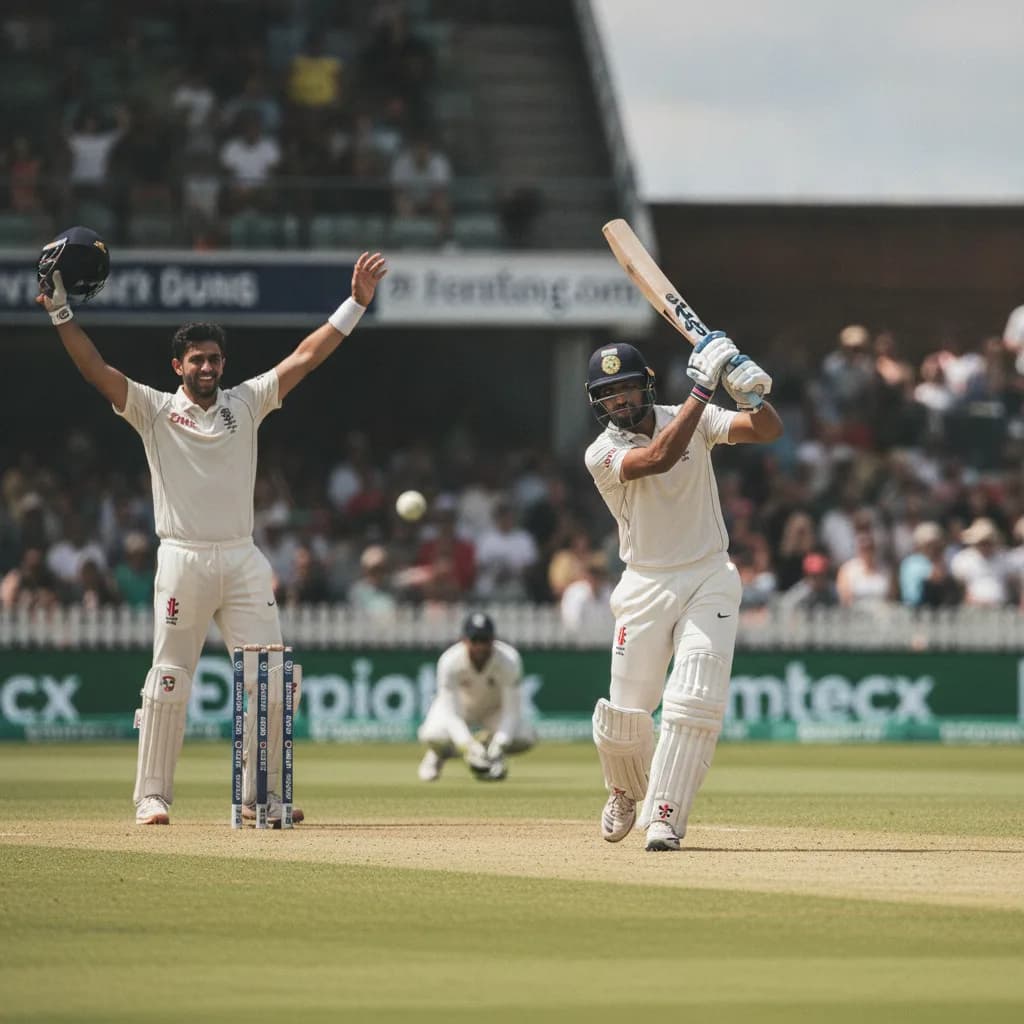
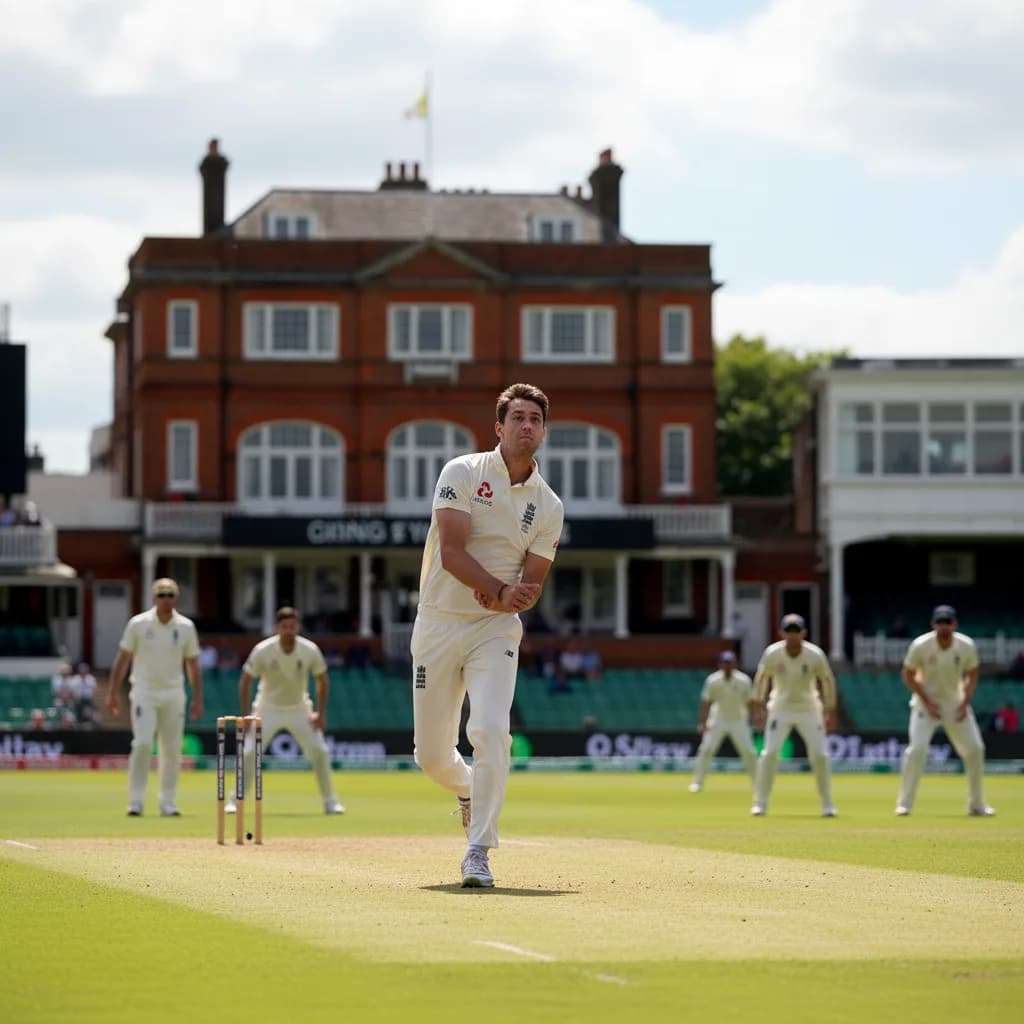
The echoes of England's Ashes defeat still reverberate through the corridors of Lord's as the team prepares for what could be a defining home summer. With eight frontline bowling options named in a surprisingly large 15-man squad for the opening Test against New Zealand, it's clear the selectors are grappling with fundamental questions about their pace attack's composition and identity.
The Curious Case of Squad Selection
Naming such an extensive squad almost five months after the Ashes concluded suggests a level of uncertainty that would have been unthinkable during England's more settled periods. The inclusion of bowlers like Ollie Robinson, Gus Atkinson, Josh Tongue, Sonny Baker, and Matthew Fisher indicates the selectors are still searching for the right combination. This contrasts sharply with previous eras when squads typically featured 12 players with clear hierarchies established well in advance.
Director of cricket Rob Key's description of Robinson as "one of the best bowlers in the world" following his recall signals England's intent to blend experience with emerging talent. The betting markets have responded accordingly, with England's odds for the series reflecting this bowling uncertainty.
Lessons from Down Under
England's Australian strategy centred on delivering hostile pace to unsettle the home batsmen, yet the reality proved far more complex. The conditions demanded greater nuance than England's one-dimensional approach provided. When Australian bowlers successfully employed wicketkeepers standing up to the stumps for their seamers, it exposed the gap between England's planning and execution.
This tactical mismatch has forced a complete rethink of how England's pace trio should operate in home conditions. The emphasis must shift from raw pace to intelligent bowling that exploits English conditions effectively.
Building the Perfect Attack Dynamic
Every successful pace attack requires distinct roles: the leader who sets the tone, the reliable supporting actor who maintains pressure, and the X-factor who provides unpredictability. Robinson's experience and technical prowess position him as the natural leader, whilst Atkinson's consistent line and length make him an ideal supporting player.
Tongue represents the intriguing X-factor element – his unique skill set could provide the point of difference England desperately needs. The challenge lies in creating a cohesive unit where each bowler complements rather than duplicates the others' strengths.
The Road Ahead
Unlike the dramatic overhaul that followed England's 2014 Ashes whitewash – which saw coaching changes and multiple retirements – this summer represents a more measured evolution. The retention of key personnel suggests confidence in the overall direction, despite tactical adjustments being necessary.
The series against New Zealand and Pakistan carry greater significance than typical home encounters. England must demonstrate they've learned from their Australian experience whilst developing a bowling attack capable of dominating in familiar conditions. Success here could reshape the outright odds for future series and restore confidence in England's Test cricket direction. The stage is set for what promises to be a fascinating examination of England's bowling evolution.