From Comfort to Crisis in the Blink of an Eye
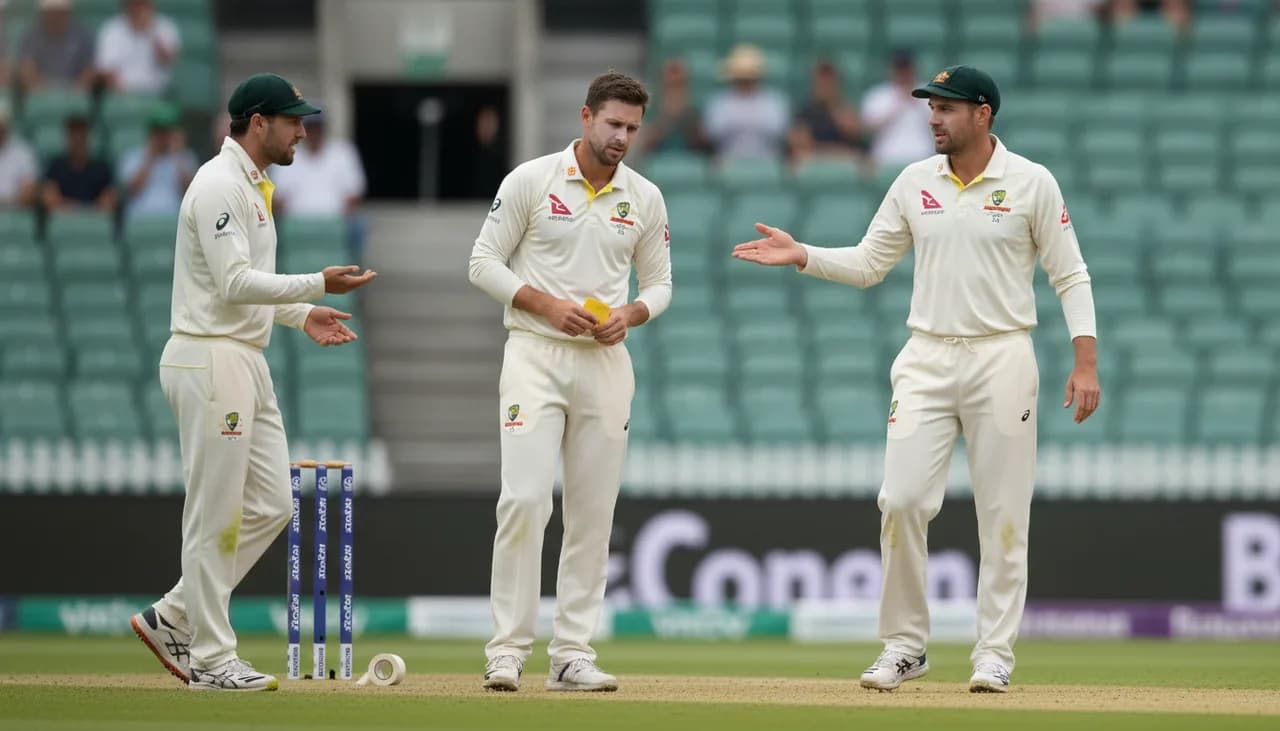
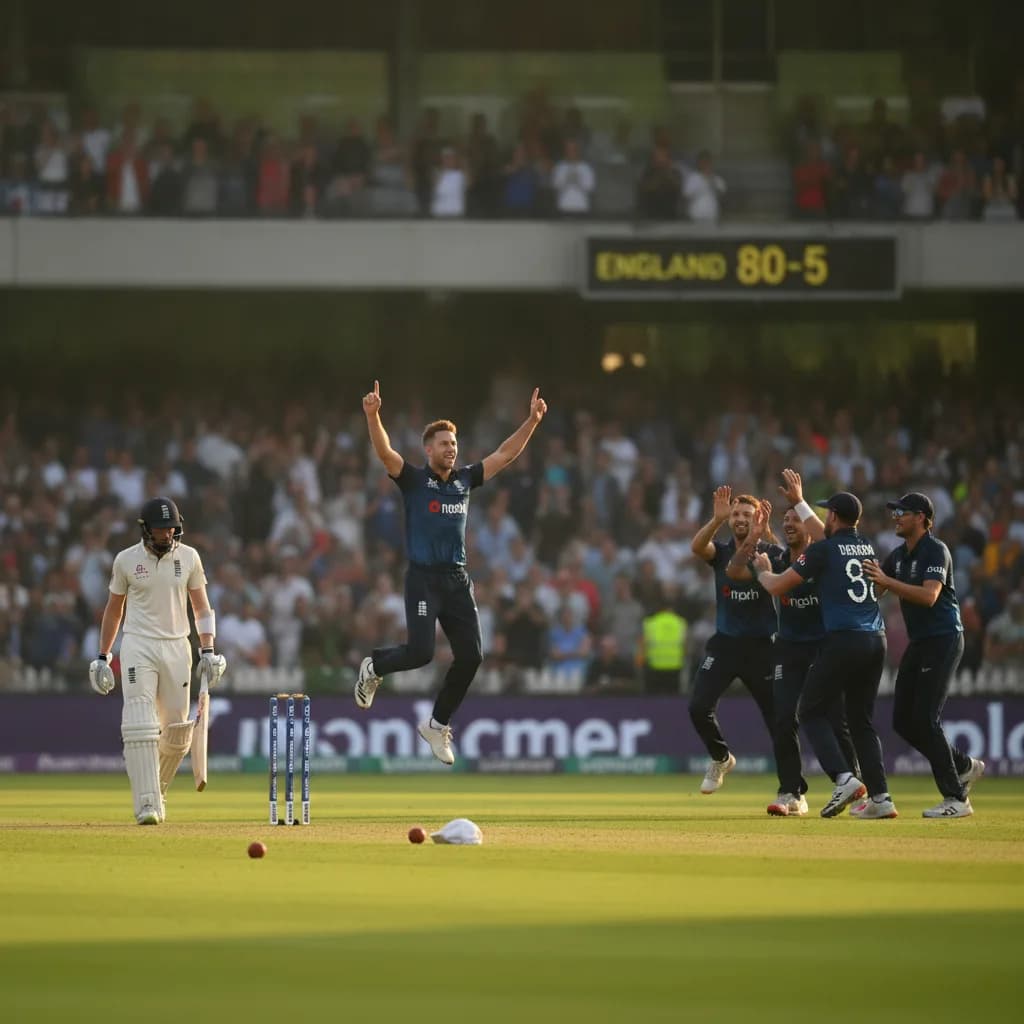
There are collapses, and then there are collapses. What England's top order served up at Edgbaston in the first one-day international against India falls squarely into the latter category. Looking every bit a side in control at 61 for no wicket, the hosts somehow contrived to lose five wickets for a mere 19 runs, finding themselves suddenly and alarmingly wobbling at 80 for 5. As someone who has spent years analysing batting units at the highest level, I can tell you that the speed and completeness of this unravelling was genuinely difficult to watch. For England supporters in the ground and watching at home, it must have felt like the floor had simply dropped away beneath their feet.
The Numbers That Tell a Damning Story
Let's be clear about what those figures represent. Nineteen runs. Five wickets. That is not a wobble — that is a structural failure. When a top order collapses at that rate, it rarely comes down to a single poor decision or one exceptional piece of bowling. What you tend to find, on closer inspection, is a series of technical misjudgements compounded by a collective loss of nerve. The partnership that had built England to 61 without loss had every reason to feel settled, yet within what amounted to a very short passage of play, India had fundamentally changed the complexion of the match. From an outright betting perspective, this kind of dramatic shift would have seen England's odds of posting a competitive total lengthen considerably in the live markets, and rightly so.
India's Bowling Attack Seizes the Moment
Credit must be given where it is firmly due. India's bowlers identified a moment of opportunity and exploited it with real precision and discipline. Edgbaston can offer variable conditions, and it is clear that the Indian attack — well-drilled and tactically astute — found a way to make life extraordinarily uncomfortable for England's middle-order batters as they came to the crease cold. Bowling sides thrive when they sense hesitation, and once the first wicket tumbled, the body language in the England dressing room appeared to shift. That sort of momentum is incredibly difficult to arrest once it takes hold, and India fed off every dismissal with admirable intensity.
Questions England's Selectors Must Now Answer
This collapse will reignite the perennial debate about England's ODI batting depth and the fragility that lurks beneath the top two or three. When your first wicket stand reaches 61, you expect the platform to be built upon, not abandoned. The selectors and coaching staff will need to analyse not just the technical aspects of each dismissal, but also the mental frameworks the batters are working within when pressure suddenly arrives. Are England's middle-order players sufficiently prepared for the reality of rescuing an innings rather than accelerating one? That is the honest question that must be confronted.
The first ODI at Edgbaston served as a sharp reminder that in white-ball cricket, momentum can evaporate with terrifying speed. England will need to regroup, reflect, and respond if they are to make anything of this series against a very capable Indian side.