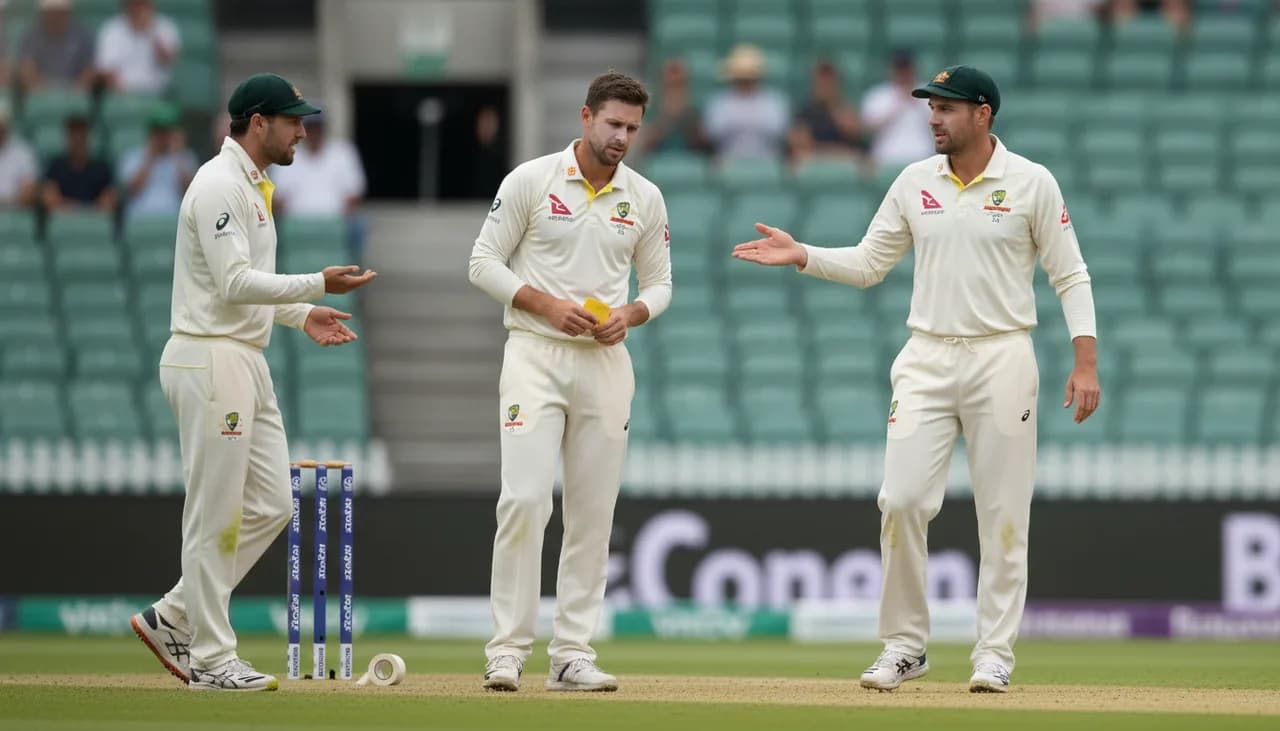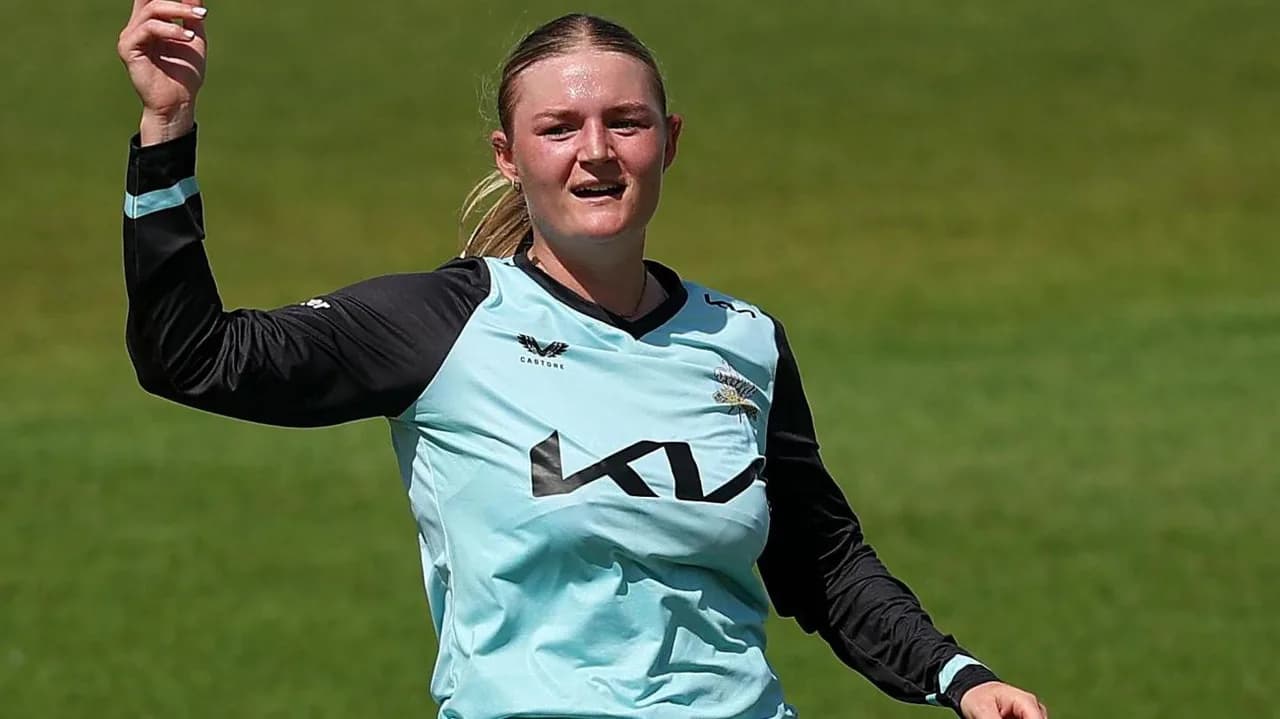
The relationship between county cricket and England selection has undergone a dramatic transformation, according to Sussex head coach Paul Farbrace, who believes the recent alignment between domestic performances and international recognition represents a watershed moment for the county game. As betting markets reflect increased interest in county cricket's influence on England squads, Farbrace's enthusiasm captures the mood of coaches whose work is finally receiving proper acknowledgement.
Robinson's Recall Signals Selection Shift
Ollie Robinson's return to England's Test squad exemplifies this new approach, with the Sussex captain earning his recall after an impressive start to the County Championship season. Having taken 17 wickets in his first five matches, Robinson's form proved impossible to ignore, leading to his selection for next month's opening Test against New Zealand. The 32-year-old's last England appearance came against India in February 2024, making his recall all the more significant. Alongside Robinson, Henry Crocombe's selection for the England Lions squad, having claimed 19 wickets this season, demonstrates that talent identification is extending beyond established names.
Non-Hundred Clubs Prove Their Worth
Farbrace has been particularly vocal about the capabilities of clubs outside the Hundred franchise system, arguing that these institutions remain crucial to England's player development pipeline. "Us non-Hundred clubs are quite capable of producing players to play for England," he stated, highlighting Sussex's strong track record in recent years. The appointment of Marcus North as national selector, previously Durham's director of cricket, has coincided with increased opportunities for county performers. Durham's Emilio Gay, Somerset's James Rew, and Hampshire's Sonny Baker all received their first Test squad call-ups, representing a diverse geographical spread that suggests genuine county cricket scrutiny.
Coaching Staff Recognition Welcomed
The Sussex coach has embraced the renewed connection between county performances and England recognition, viewing player selections as validation of coaching staff efforts. "I think it's absolutely brilliant, because it shows the hard work that our coaching staff are doing," Farbrace explained to BBC Radio Sussex. His perspective contrasts with some county colleagues who view player call-ups as disruptive, instead celebrating the opportunities for Sussex talents like James Coles, Tom Haines, and Jack Carson to enter England conversations. This philosophical difference highlights varying approaches to player development across the county system.
Rebuilding Bridges With England Management
The transformation follows deliberate efforts by England management to repair relationships with county cricket, including pre-season discussions with domestic counterparts. Farbrace, who previously criticised England head coach Brendon McCullum's apparent disinterest in county cricket, now welcomes the establishment of regular communication channels between county coaches and England selectors. "I'm delighted there's now a county group of coaches and directors of cricket and there's starting to be a lot more conversations," he added. This collaborative approach suggests a sustainable model for talent identification, potentially influencing outright odds for future England squad selections as county form gains greater significance in national team planning.