A Hard-Earned Half-Century
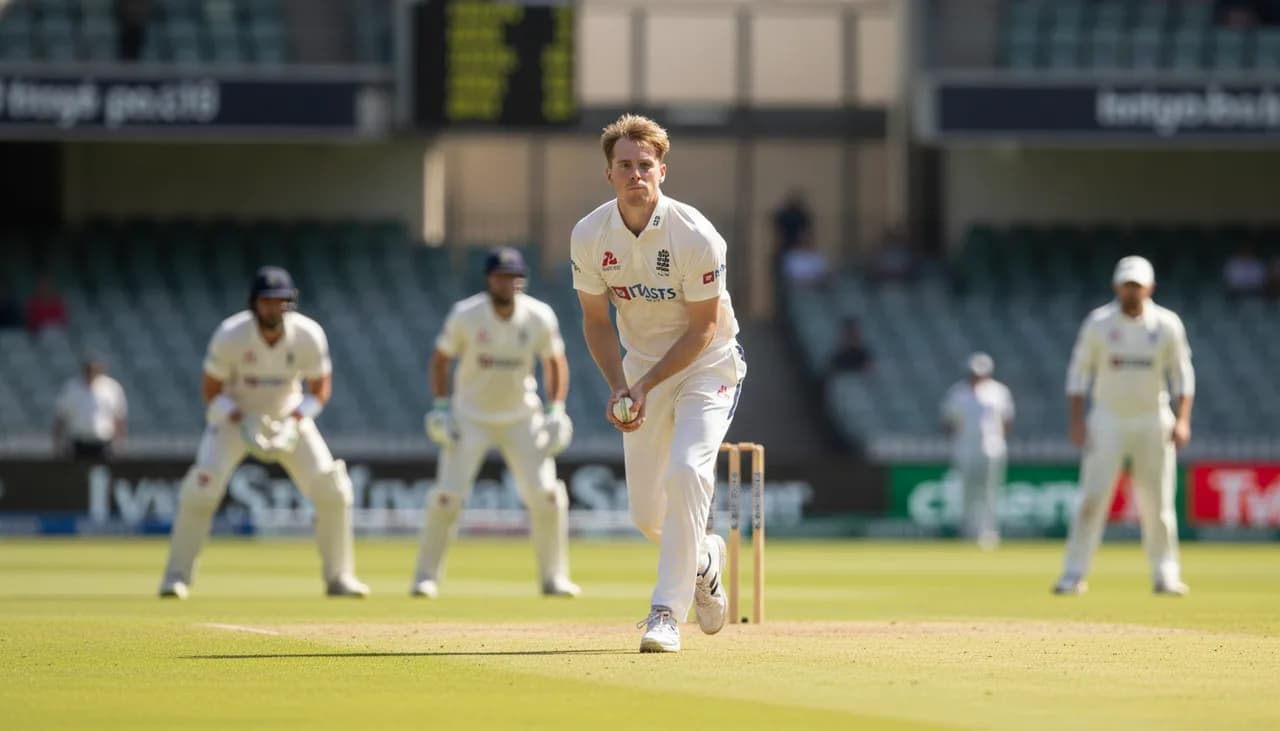
There are few things more satisfying in cricket than watching an opener grind through the new ball, weather the early movement, and build an innings that gives your side a platform. On day two at The Oval, Emilio Gay did exactly that. The England opener put together a patient, composed knock, working his way to 53 and providing the kind of foundation the team would have been hoping for at the top of their first innings. As a former coach, I can tell you just how much mental effort goes into that sort of disciplined start — it is rarely as easy as it looks, even when the scoreboard is ticking over steadily.
The Moment It All Unravelled
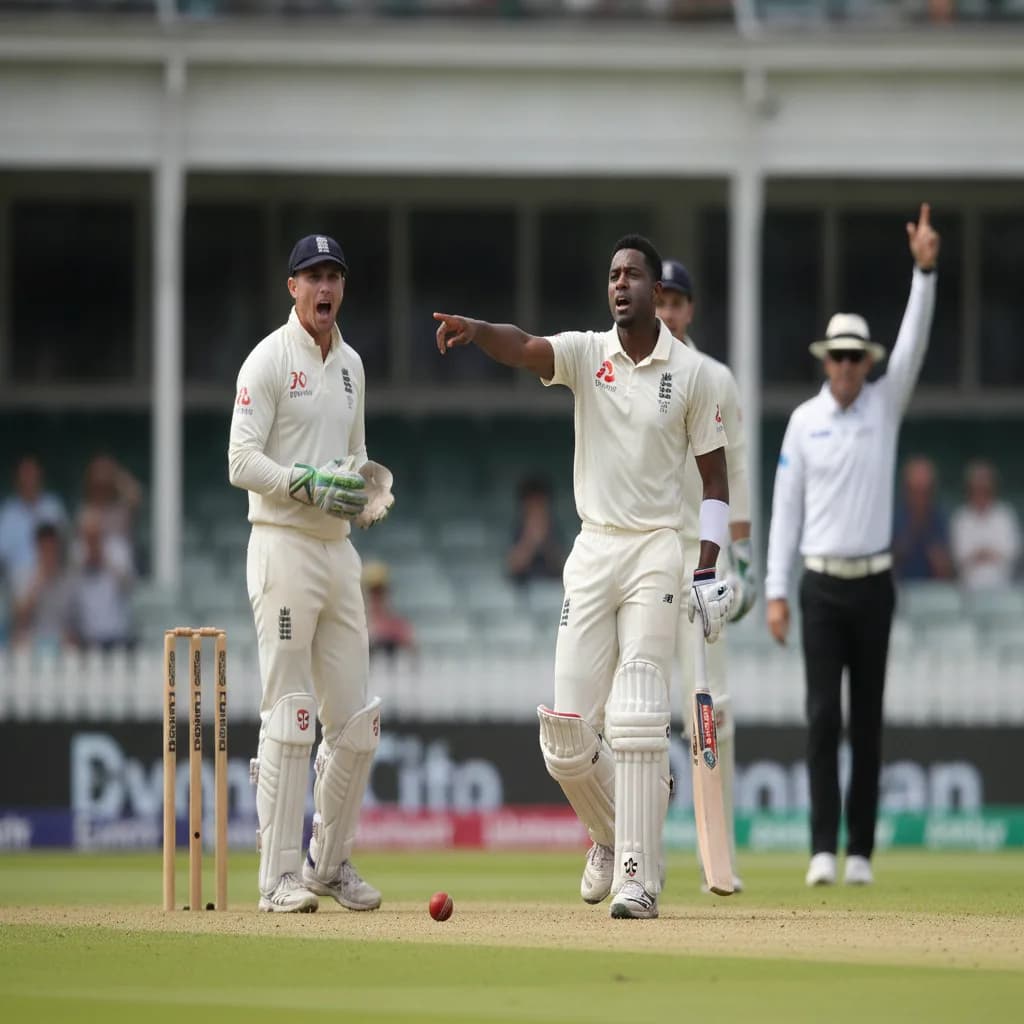
And then, just like that, it was gone. In what can only be described as bizarre circumstances, Gay was caught on the very next delivery after bringing up his fifty. One moment he was punching the air having reached a hard-earned milestone; the next he was trudging off, shaking his head. It is the sort of dismissal that will haunt him, and one that will inevitably fuel debate about whether the natural euphoria of a landmark can sometimes work against a batter's concentration at the crease. England found themselves at 142 for 3 as a result, a position that, while not catastrophic, left plenty of work still to do.
What It Means for England's Innings
From a tactical standpoint, losing Gay in that manner was a blow beyond the simple loss of runs. He had done the hard yards, seen off whatever the New Zealand attack had thrown at him in the early stages, and was well set. A batter in that position is arguably more valuable than one just starting out — they know the pace of the surface, they have their eye in, and they can push on. For England to lose him so immediately after his fifty, in those peculiar circumstances, will have been a frustrating watch from the dressing room. At 142 for 3, the middle order faces a significant responsibility to build a competitive total.
Gay's Test Career at a Crossroads
For Gay personally, this innings will be a study in mixed emotions. A fifty in a Test match is never nothing — it demonstrates that he belongs at this level and has the temperament to construct an innings under pressure. But the manner of his exit will inevitably overshadow the positive elements, at least in the short term. The key now is how he processes it. The best players use these moments as fuel rather than baggage. With England's top-order places rarely guaranteed, every innings matters, and punters backing England to post a big first-innings total may find those odds lengthening slightly after this cluster of wickets.
Gay's 53 was a genuine contribution, and one that showed real character. But cricket has a cruel habit of turning milestone moments into cautionary tales within the space of a single delivery. How England's remaining batters respond will define whether this Test swings their way or New Zealand's.