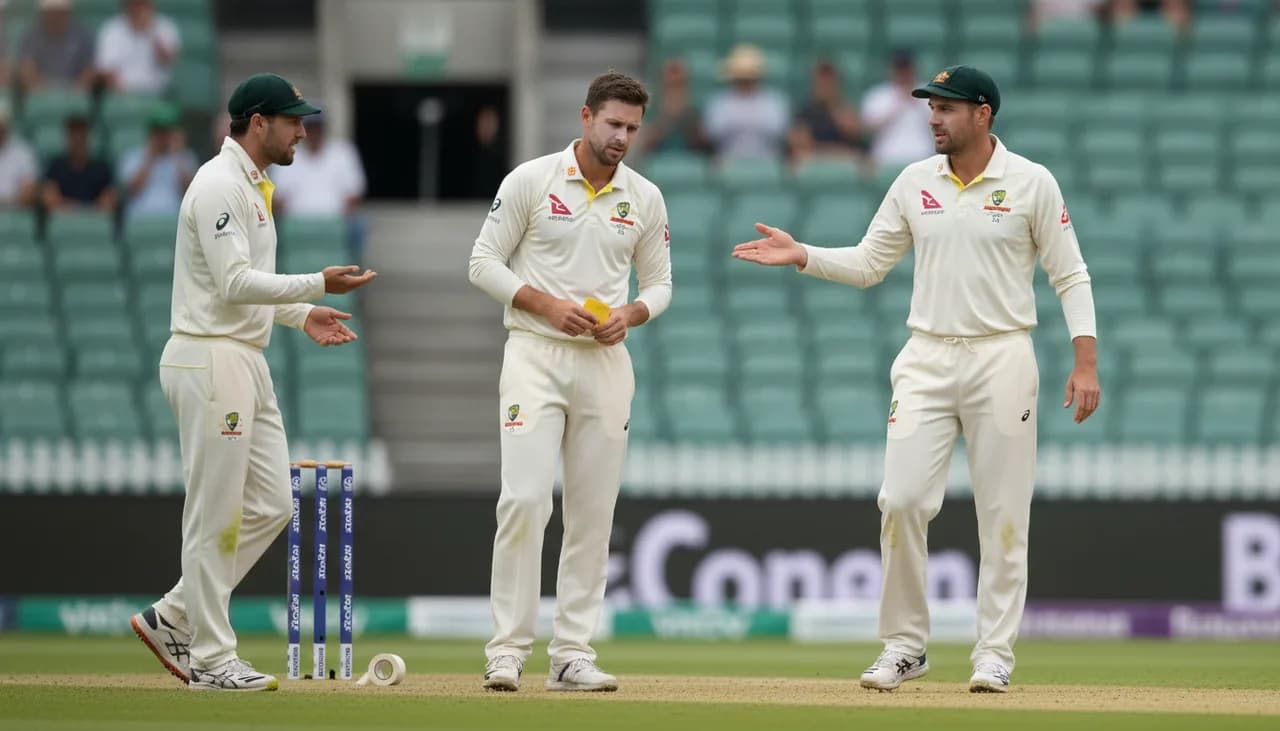
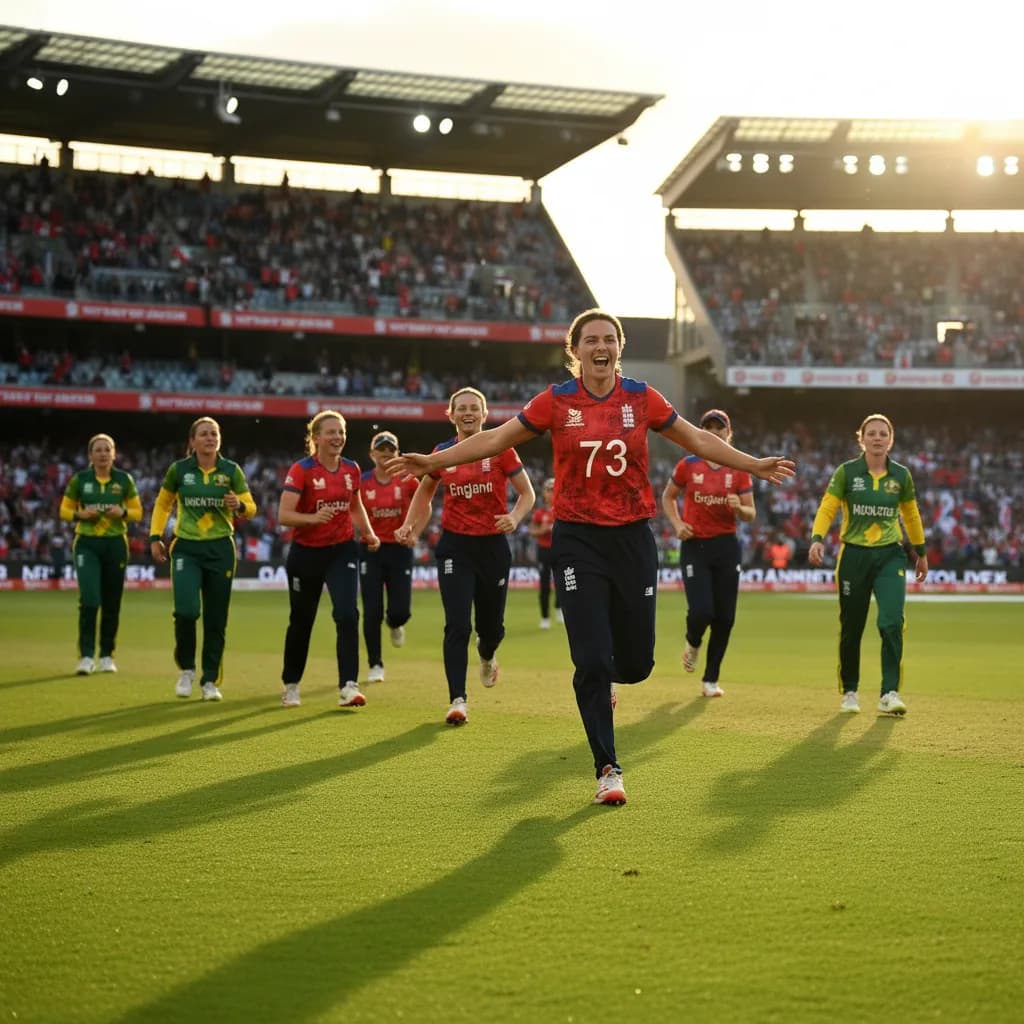
The heat is intensifying around England's cricket establishment as ECB chief executive Richard Gould doubled down on his support for managing director Rob Key and head coach Brendon McCullum, even as a growing chorus of former internationals voice their discontent with the current regime.
Mounting Pressure Following Ashes Disappointment
The criticism has reached fever pitch following England's comprehensive 4-1 Ashes defeat to Australia this winter, a result that significantly shifted the outright odds for future series and raised serious questions about the team's direction under McCullum's aggressive 'Bazball' philosophy. What started as isolated grumbles has now evolved into a coordinated assault on the management's methods, with five high-profile players publicly airing their grievances.
Jonny Bairstow, who hasn't represented England since 2024, led the charge by suggesting those in charge need to bring "the care back in the game", highlighting how "as soon as you are out of the system, you are out of the system". His comments struck a nerve, particularly given his significant contributions to English cricket over the past decade.
Systematic Failures Exposed
The complaints extend beyond mere selection grievances, revealing what appears to be fundamental flaws in England's player welfare system. Liam Livingstone's explosive interview with Cricinfo proved particularly damaging, claiming "no-one cares" about those outside the inner circle and revealing he was told he "cares too much" when seeking assistance - a remarkable indictment of the support structure.
Perhaps most concerning was Ben Foakes' revelation about the coaching setup, where reserve batter Keaton Jennings was forced to serve as his wicketkeeping coach on tour due to the absence of any permanent specialist. Such makeshift arrangements hardly reflect the professionalism expected at international level.
Reece Topley added fuel to the fire by suggesting Livingstone was being "kind" about the England management, implying the reality could be even worse than publicly stated.
Gould's Defiant Response
Faced with this unprecedented public revolt, Gould has chosen confrontation over conciliation. His response reveals the ECB's calculated prioritisation of resources, acknowledging that "there is probably about 300 players who want to play for our England teams" whilst confirming they must "focus our resources on those that are in the teams".
Gould's dismissive attitude towards the criticism as merely the natural reaction of dropped players - "it is difficult for any player when they get dropped in any sport" - suggests a fundamental misunderstanding of the specific concerns being raised about systemic care and support.
His rejection of suggestions that negativity is overshadowing the county season's start demonstrates the ECB's determination to control the narrative, insisting they view the situation "in a positive fashion" despite mounting evidence to the contrary.
With Key, McCullum, and captain Ben Stokes all confirmed to remain in their positions, this standoff between the establishment and its critics seems destined to continue simmering throughout the domestic season, potentially undermining team unity when England can least afford internal discord.