The End of an Era at Lord's
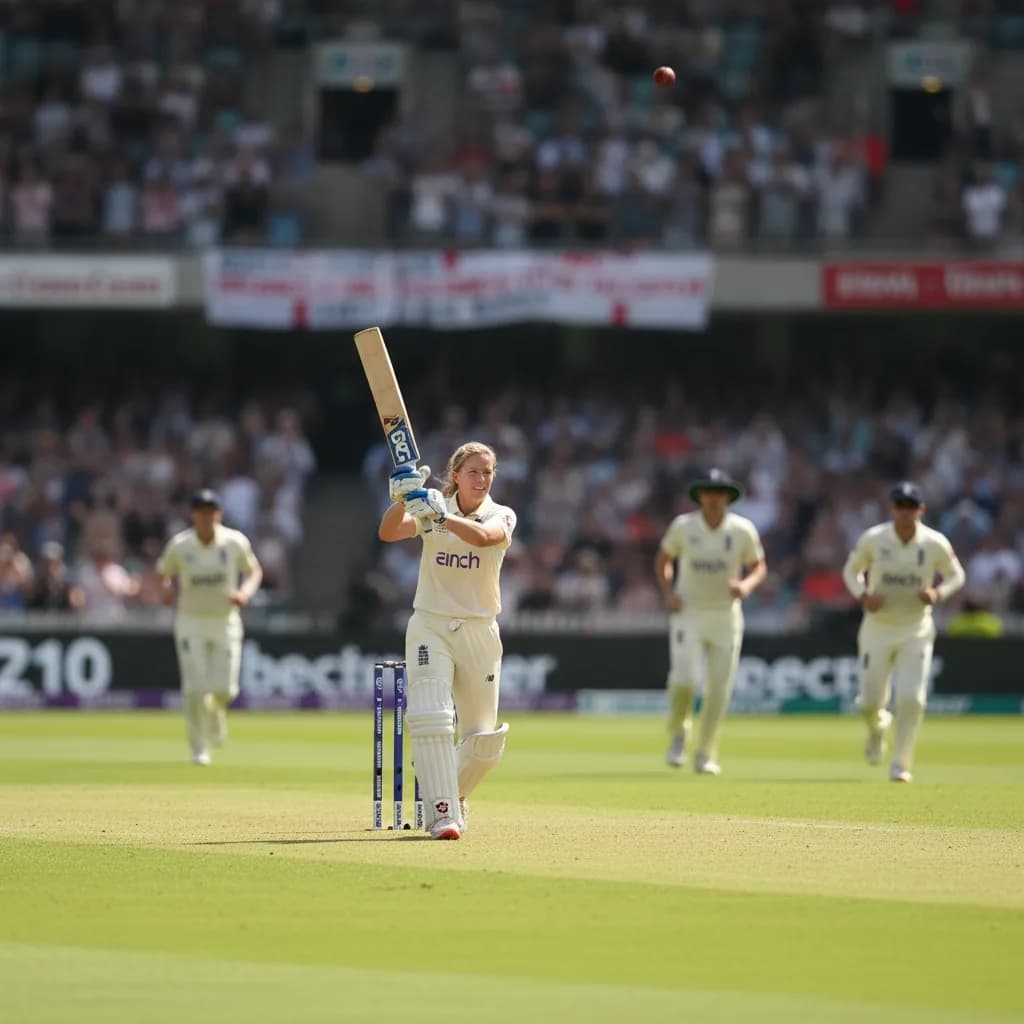
Some farewells feel routine. This one does not. When Heather Knight walked off the Lord's turf for the final time as a professional cricketer, she left behind something that no scorecard could ever fully capture. As someone who has spent years both coaching and analysing the women's game, I can say with confidence that her departure leaves a void that will take a generation to fill — if it ever truly is.
Knight's career stretched across a remarkable 320 matches, and she captained England in 199 of them across nine years at the helm. Those numbers are extraordinary in themselves, but they barely scratch the surface of what she meant to the team, the sport, and the young girls who grew up watching her.
From Amateur Transition to Professional Era
When Knight succeeded the legendary Charlotte Edwards as captain back in 2016, women's cricket in England was at a genuine crossroads. Central contracts had only arrived two years earlier, and the transition from amateur to professional structures was fragile and uncertain. Knight was handed that challenge almost immediately and navigated it with a maturity that belied her relative inexperience in the role.
She was also vocal on issues beyond the boundary rope. Her willingness to publicly address the significant pay disparity between men and women competing in The Hundred demonstrated a broader sense of responsibility — not just to her squad, but to the sport's future. That kind of leadership is rare, and it matters enormously.
The Highs, the Lows, and Unwavering Professionalism
Knight's captaincy brought the full spectrum of emotion. The 2017 World Cup triumph at Lord's — the very ground where she has now drawn the curtain on her playing days — was the defining high point for a generation of England supporters. Yet that same journey included an Ashes campaign so heavy in defeat that it ultimately brought her captaincy to a close.
What struck me most throughout both extremes was her consistency of character. She never shied away from a difficult post-match interview, never deflected blame onto her players, and returned from injury setbacks that would have ended lesser careers. When asked about the proudest moments of her time in the game, she pointed not to match-winning performances but to her work away from the field entirely. That tells you everything you need to know about her.
A Steadying Presence That Will Be Sorely Missed
Alongside Nat Sciver-Brunt, Knight provided England's batting with a calm, assured quality that opponents found exceptionally difficult to dislodge. The sense of security their partnership offered went well beyond individual technique — it was psychological, a reassurance to every player in the dressing room that things were in safe hands.
For those tracking England Women's outright odds heading into future tournaments, the absence of that experience and composure at number three will be a significant variable. Markets will adjust, and rightly so — Knight's presence was worth more than most analysts ever priced in.
English women's cricket is in a far stronger, more professional, and more visible place than it was when Knight first took the armband. That is not coincidence — it is consequence. On behalf of everyone who loves this game, thank you, Heather. It was a privilege to watch.