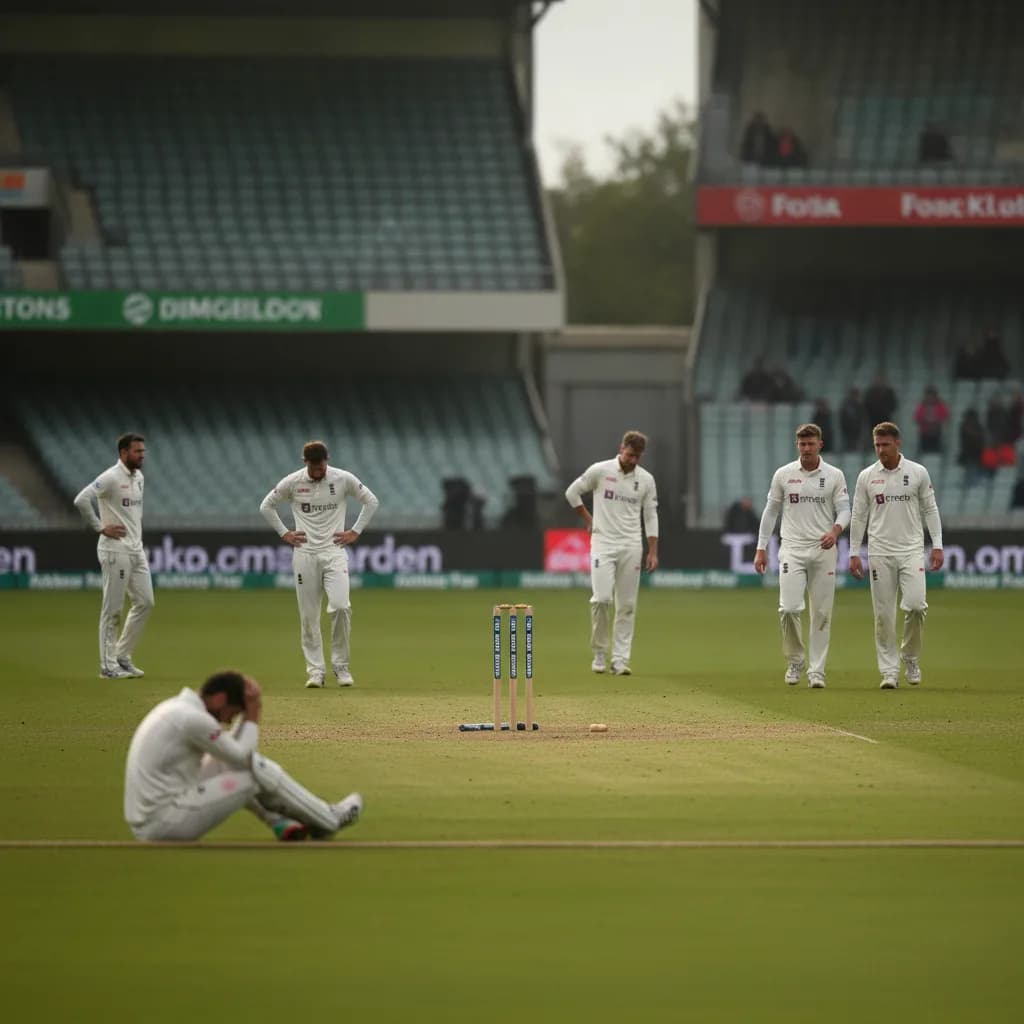
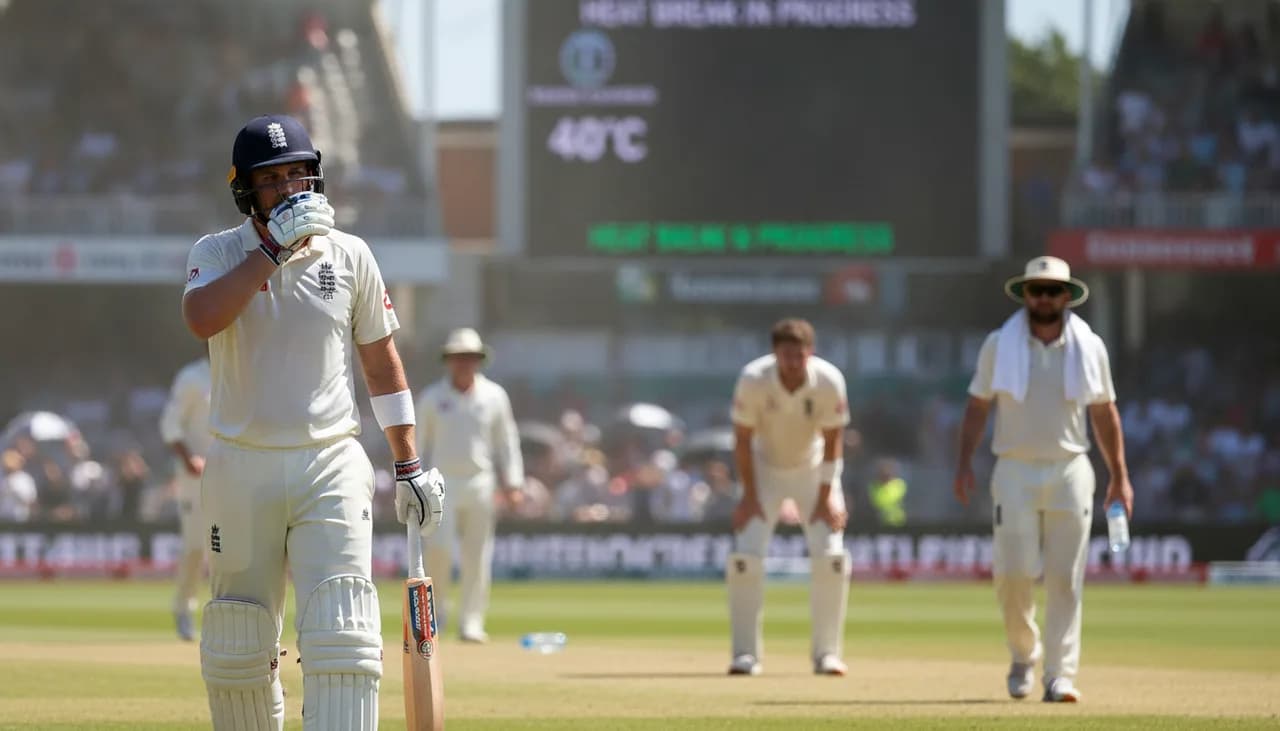
There are heatwaves, and then there are record-breakers. What the UK is currently experiencing falls firmly into the latter category. Meteorologists are forecasting temperatures of up to 38 or even 39°C in parts of England and Wales over the coming days — enough to smash the existing June record of 35.6°C that has stood since 1976. For cricket lovers, that backdrop makes this week's fixtures at Trent Bridge feel less like a Test match and more like a survival exercise.
The Scale of What We're Dealing With
The Met Office has issued a red warning — its most severe category — covering swathes of England and Wales from Wednesday morning through to Thursday evening. Areas under that red alert include London, Cardiff, the Midlands, the south west, the south east and the east of England. A red warning is reserved for conditions genuinely considered dangerous to life, not merely uncomfortable. The North West, North East and Yorkshire are sitting under an amber warning, which is hardly reassuring for anyone planning a day in the stands.
As a former coach, I've seen players struggle in temperatures far milder than what's being forecast here. Heat stress is cumulative — it doesn't just affect you in the final session; it starts chipping away from the moment you walk out to warm up. For fielding sides standing under a blazing sun for five or six hours, this week represents a genuine physical challenge.
Cricket Has Always Played in the Heat — But Not Like This
Unlike tennis, which has introduced formal extreme heat rules — the ATP only adopting its latest version from the 2026 season — cricket has historically managed warm conditions on a more ad hoc basis. Umpires can offer players drinks breaks, and teams can request medical attention, but there is no standardised threshold-based protocol comparable to what the ATP and WTA use, the latter having had heat rules in place for over three decades.
This week's third Test between England and New Zealand at Trent Bridge will be watched closely, not just for the cricket, but for how both sides manage their squads in extreme conditions. Bowlers will be bearing the brunt of it — running in repeatedly when the mercury is flirting with record highs is genuinely punishing. Don't be surprised if we see captains rotating their seam attack more conservatively than usual, which in turn could influence the match dynamics and shift England's outright series odds if key bowlers tire prematurely.
What About the Fans?
Spectators often get forgotten in these conversations, but they matter too. Sitting in an open ground for a full day's play without adequate shade or hydration facilities is a health risk in its own right during a red-warning event. Grounds need to be proactive about providing water stations, reminding fans to use sun protection and ensuring first aid provision is scaled up accordingly. Anyone travelling to Trent Bridge this week should prepare as if heading somewhere significantly hotter than England in June — because that is essentially what they're doing.
A Moment for Cricket to Lead
The heatwave feels like a timely prompt for cricket's governing bodies to look seriously at formalising heat protocols for domestic and international cricket played in England. Climate patterns are shifting, and weeks like this one will become less of an anomaly over time. Drawing from the frameworks already developed in tennis and other sports would be a sensible starting point. For now though, players and fans alike will simply have to stay cool, stay hydrated, and hope the cricket is worth sweating for.