Don't Be Put Off by the Numbers
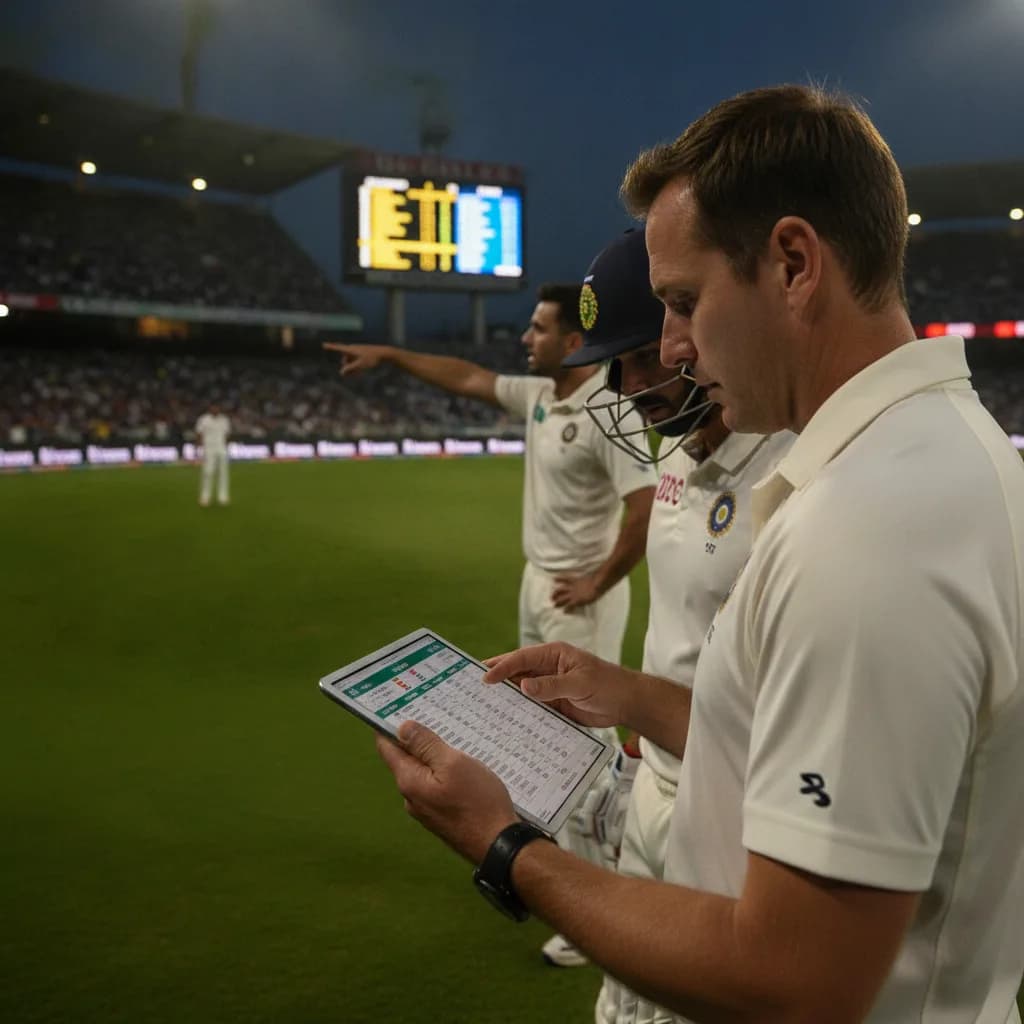
I've introduced dozens of people to cricket over the years, and the scorecard is almost always the first stumbling block. At first glance it resembles something between a spreadsheet and a foreign language. But here's the thing — once you understand the logic behind it, a scorecard tells you an incredibly rich story about a match. Every column has a purpose, and once those purposes click into place, you'll wonder how you ever found it intimidating.
Let's walk through a batting scorecard from left to right, the way you'd naturally read it, and unpack what each section is actually telling you.
The Basics: Batters and Dismissals
The first column you'll encounter is simply the batter's name. These are listed in the order they came out to bat — what's known as the batting order — so the opener who faced the very first delivery sits at the top, and the number eleven who trudged out last sits at the bottom.
Moving right, you'll hit the dismissal columns, and this is where people often get lost. A small c means the batter was caught by a fielder, whose name will appear alongside it. lbw stands for leg before wicket — a dismissal that occurs when the batter's leg or body prevents the ball from hitting the stumps. st means stumped by the wicketkeeper, again followed by the keeper's name. If none of these appear and the column is blank, it means the batter was bowled out, which is arguably the most straightforward dismissal of the lot. And if you see not out, the batter survived the innings without losing their wicket — something that carries real weight when you're assessing a player's contribution.
Runs, Balls, and the Numbers That Really Matter
Next up are the columns that tell you about a batter's actual output. Runs is self-explanatory — the total they scored. Balls tells you how many deliveries they faced. Dots shows how many of those deliveries produced no runs at all, which is a useful indicator of pressure or struggle at the crease.
4s and 6s are the glamour columns — boundaries hit along the ground and sixes cleared over the rope without bouncing respectively. These give you a quick sense of how aggressive or cautious a batter's approach was. The Mins column records how long they actually spent out in the middle, which can reveal just how patient or fluent an innings was.
Finally, there's strike rate, which is probably the single most telling number on the card. It's calculated by dividing runs scored by balls faced, then multiplying by 100. So a batter who makes 18 runs off 36 balls has a strike rate of 50. In Test cricket that might be perfectly respectable; in a Twenty20 match, it would be considered painfully slow. Context is everything.
Using the Scorecard to Your Advantage
Whether you're following a match, debating team selections with mates, or keeping an eye on betting markets — where a top-order collapse can shift outright odds dramatically — the scorecard is your primary source of truth. Bookmakers and analysts alike use these numbers to assess momentum, and once you're comfortable reading them, you'll be doing the same.
Cricket rewards those who take the time to understand it, and the scorecard is your starting point. Get familiar with it and the game opens up in ways that make every session, every session, and every over genuinely compelling to follow.