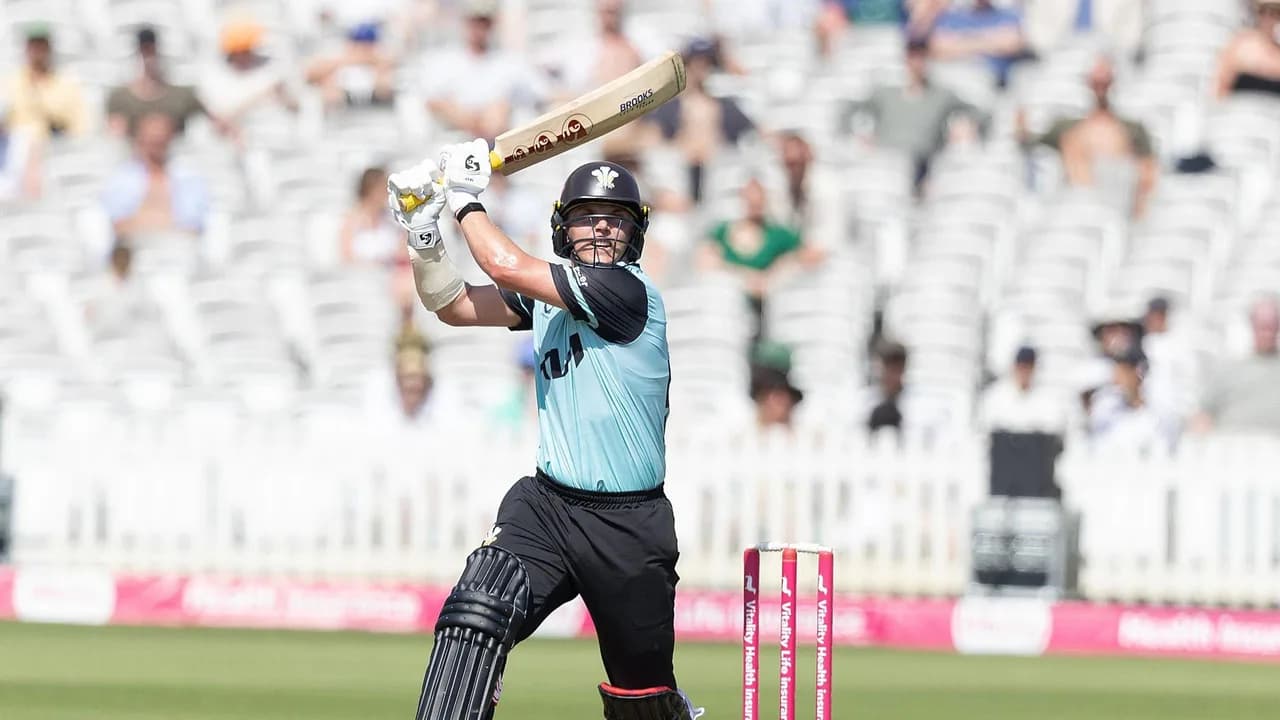
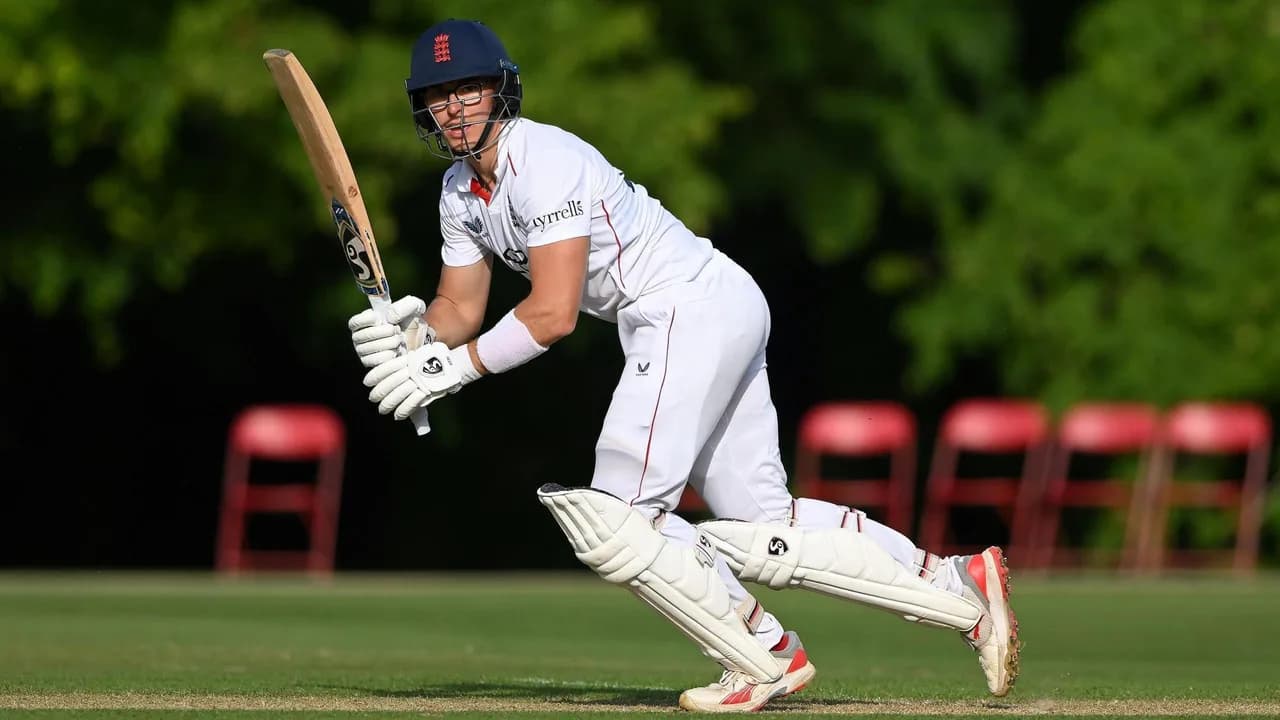
LONDON — In a startlingly candid interview, England all-rounder Liam Livingstone has launched a scathing critique of the national team's environment during their recent T20 World Cup campaign, stating he felt no desire to be part of the squad that reached the semi-finals in the Caribbean and USA.
Livingstone, a key figure in England's 2022 T20 World Cup triumph, was selected for the 2024 tournament but struggled for form and fitness, managing just 52 runs across five innings with a highest score of 15. His comments reveal a deep-seated dissatisfaction with the team's culture under the leadership of captain Jos Buttler and coach Matthew Mott, suggesting a significant disconnect between player experience and on-paper success.
"I Don't Miss It" - A Damning Verdict
The most striking element of Livingstone's revelation was his emotional detachment from the team's journey. "There wasn’t any part of me that wanted to be there, which is sad because I’ve absolutely loved playing for England over the last six years," he told the Daily Mail. He elaborated with a blunt summary of his feelings upon the team's elimination: "When we got knocked out, I wasn’t upset. I was almost relieved."
This sense of relief, rather than disappointment, points to a period of significant personal strain. Livingstone contrasted this with his experience under former captain Eoin Morgan, describing that era as one where players were "desperate to play for England" and where the environment was one he actively missed when away from it.
A Culture of Fear and Uncertainty
Livingstone pinpointed a shift in atmosphere, attributing it to a lack of clarity and security within the squad. He suggested that under the current regime, players are plagued by anxiety over their positions, a stark contrast to the empowering culture cultivated by Morgan. "It just felt like, from the last World Cup, it wasn’t a particularly enjoyable environment," he stated, highlighting a pervasive fear of failure.
This environment, he argued, is counterproductive to the aggressive, fearless brand of cricket England aims to play. "If you’re playing with fear, you’re not going to play your best cricket. You’re not going to take risks, and in T20 cricket, risks are a massive part of it." The pressure was compounded by his own battle with a knee injury, which limited his bowling and created a sense of being a "hired gun" solely for his batting.
Key Factors in the Discontent
Livingstone's criticism, while broad, hints at several specific issues that contributed to the toxic environment. Based on his comments and observations from the tournament, the problems appear multifaceted:
- Lack of Role Clarity: Players seemed unsure of their specific jobs within the team, leading to tentative performances.
- Selection Instability: A revolving door policy, particularly in the top order, fostered insecurity.
- Communication Breakdown: A perceived gap between leadership and the playing group, eroding trust.
Contrast with the Morgan Dynasty
The shadow of Eoin Morgan's transformative leadership looms large over Livingstone's assessment. He described the previous era as a "family" where enjoyment and clarity were paramount. "Morgs made it so simple for everyone. He made everyone feel a million dollars and knew their roles inside out. There was no real fear."
This comparison underscores a perceived regression. The 2024 squad, on paper, was brimming with franchise cricket superstars, yet it failed to coalesce into a unified, confident unit. Livingstone's experience suggests that tactical plans and team ethos failed to translate from the management to the middle, leaving players isolated and performing under duress.
Reaction and the Path Forward
The England and Wales Cricket Board (ECB) and team management have yet to issue a formal public response to Livingstone's comments. However, they land at a critical juncture, with Buttler and Mott under intense scrutiny following a poor 50-over World Cup defence in 2023 and the semi-final exit in the T20 version.
Livingstone himself expressed a desire to return to the England setup, but only if the environment improves. "I’d love to play for England again, but I only want to play if I’m going to enjoy it," he said, setting a clear condition for his future involvement.
His public airing of grievances places undeniable pressure on the leadership to address these cultural concerns head-on. With a major Ashes series and the Champions Trophy on the horizon, fostering a environment where players are "desperate to play" rather than feeling relieved to leave is now an urgent priority beyond mere results.
Ultimately, Liam Livingstone's "I don't miss it" serves as a powerful indictment. It reveals that England's crisis is not merely one of form or fortune, but one of culture—a far more complex issue to solve than simply selecting the best eleven players. The challenge for Buttler and Mott is to rebuild not just a team, but a home for its players.