Why Pitch Ratings Matter
When Lord's was handed an 'unsatisfactory' pitch rating following England's first Test against New Zealand, it raised plenty of eyebrows — and plenty of questions. The International Cricket Council operates a formal grading system that scrutinises the surface beneath the players' feet at every Test match, one-day international, and T20 international around the world. As someone who spent years coaching at various levels, I can tell you that the quality of a pitch shapes absolutely everything: the tactics, the selections, and ultimately the result. So understanding how the ICC assesses these surfaces is well worth your time.
How the Grading System Works
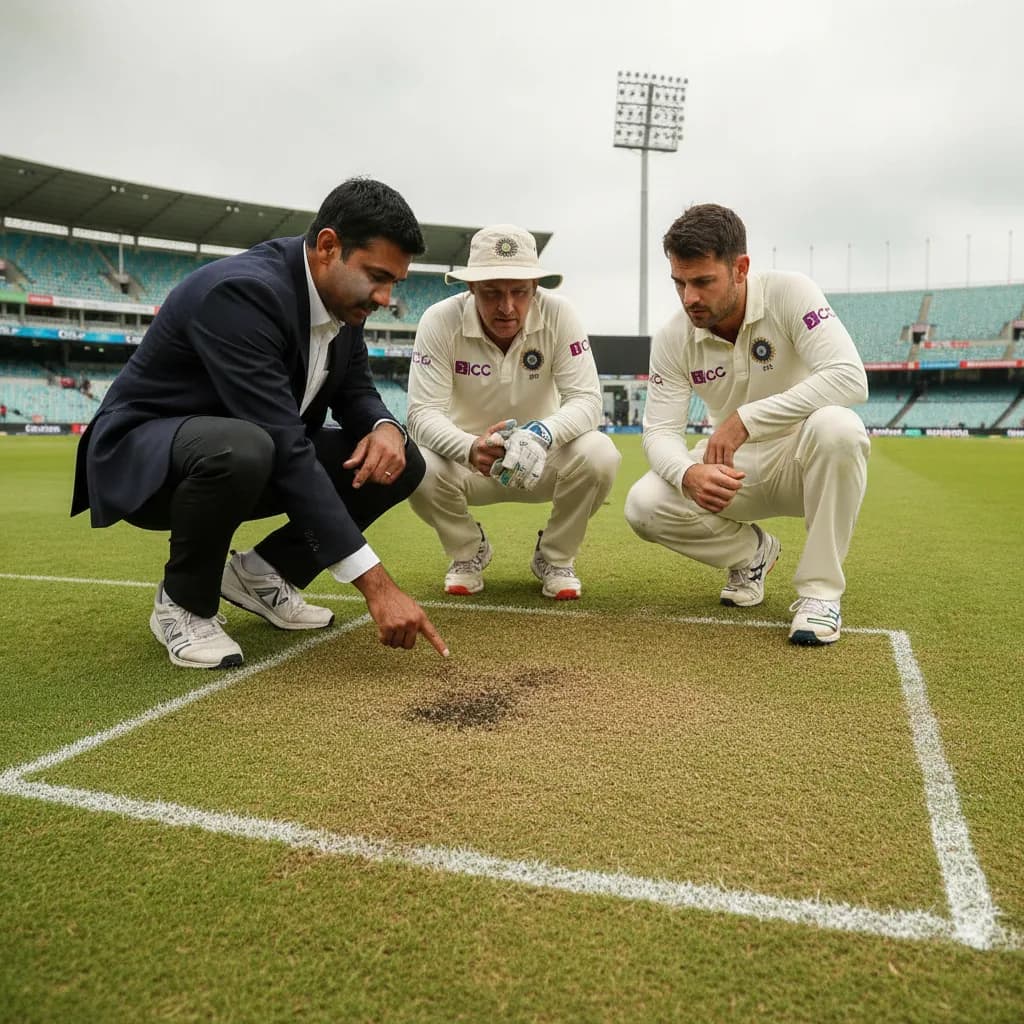
After each international fixture, the appointed match referee is responsible for producing a detailed report on both the pitch and the outfield. They examine a range of factors — how consistently the ball carries to the keeper, the degree of seam movement on offer, whether the bounce is predictable throughout the match, how the surface deteriorates across five days, and how much spin is available early on versus later in the game.
Based on those findings, pitches are placed into one of four categories. A very good pitch offers solid carry, consistent and even bounce, limited but fair seam movement, and an appropriate level of spin that develops naturally as the match progresses. A satisfactory pitch may show variation in carry, bounce, or spin across the match but still allows a reasonable contest. If the balance tips too heavily in favour of either bat or ball — as was judged to be the case at Lord's — the pitch earns an unsatisfactory rating. The most serious grade, unfit, is reserved for surfaces that genuinely compromise player safety.
What About the Outfield?
It is not just the playing strip itself that comes under the ICC's microscope. The outfield — the grass expanse surrounding the central wicket area — is assessed separately using a three-tier scale: satisfactory, unsatisfactory, or unfit. A satisfactory outfield should be well-grassed and even, offer reasonable pace, and drain adequately after wet weather. An unsatisfactory outfield might feature excessive bare patches, irregular and unpredictable bounce, sluggish pace, or poor drainage. If conditions on the outfield put bowlers or fielders at genuine physical risk, it is classified as unfit.
Demerit Points and Consequences for Venues
This is where it gets serious for ground authorities. Any venue whose pitch or outfield is rated unsatisfactory receives one demerit point. A rating of unfit carries a heavier sanction. Accumulate enough demerit points over a rolling period and a ground can face suspension from hosting international cricket — a significant commercial and reputational blow. For a ground like Lord's, widely regarded as the home of the game, even a single unsatisfactory rating generates enormous discussion in the cricketing world. From a betting perspective, surfaces that attract scrutiny can also influence pre-match markets; a ground with a recent poor pitch rating may see odds shift towards lower-scoring outcomes when it next hosts international cricket.
The Bigger Picture
The ICC's pitch rating system ultimately exists to protect the integrity of international cricket. Nobody wants to watch a Test match decided in two days because a surface was unfit for purpose, nor does anyone want batters padding up to deliveries they simply cannot play. The system holds venues accountable and gives the governing body a transparent mechanism to act when standards slip. Whether you think Lord's deserved its rating or not, the process ensures these conversations happen in the open — and that can only be good for the game.