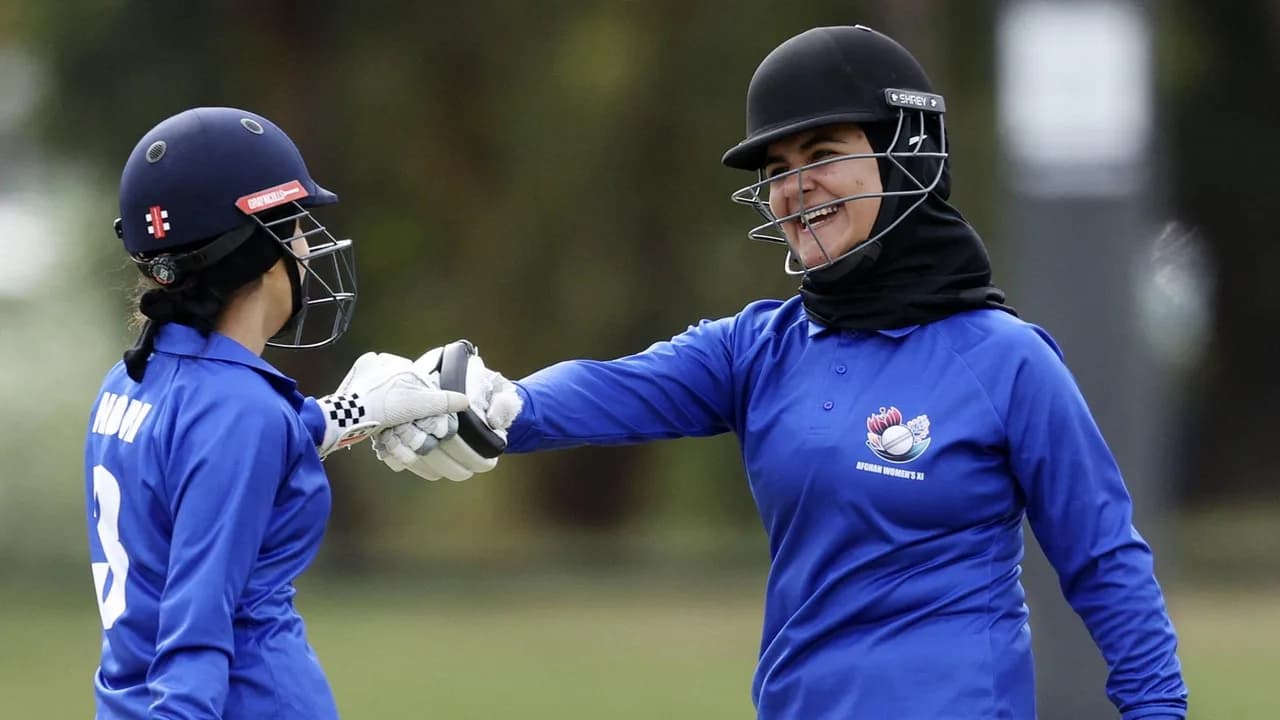
The International Cricket Council faces a pivotal moment in July when delegates gather in Edinburgh to determine the future of Afghanistan's women's refugee cricket team. With current funding arrangements set to expire in August, the four-day conference beginning on 8 July will address one of cricket's most pressing humanitarian challenges.
Current Funding Arrangements Under Scrutiny
The joint initiative launched by cricket boards in England, Australia, and India, alongside the ICC, has supported over 20 exiled Afghan players since the Taliban's return to power in 2021. This collaborative effort has enabled the squad to compete in their inaugural match in Melbourne during January 2025 and participate in developmental activities, including a visit to India during the 50-over World Cup.
However, the programme's conclusion in August has prompted urgent discussions about long-term sustainability. The timing proves particularly poignant, as the Afghan team will attend the T20 World Cup final at Lord's on 5 July, just three days before ICC officials convene in Scotland to debate their future.
Call for Sustainable Solutions
Clare Connor, the England and Wales Cricket Board's managing director of women's cricket and deputy chief executive, has emerged as a vocal advocate for continued support. Speaking on the Stumped podcast, Connor emphasised that failing to establish a sustainable funding model would represent an "abdication of responsibility" by the ICC.
The discussions will likely extend beyond Afghanistan's specific circumstances to address cricket's broader approach to supporting refugee athletes. This comprehensive review could establish precedents for similar situations that may arise in other cricket-playing nations experiencing political upheaval.
International Recognition Remains Elusive
Despite their participation in various developmental programmes, the exiled Afghan players continue to seek official recognition for international competition - a status yet to be granted by cricket's governing bodies. This contrasts with recent developments in football, where FIFA approved Afghanistan's return to women's international competitions in April.
The squad's current tour of England, featuring a series of developmental T20 matches this summer, represents a crucial opportunity to demonstrate their capabilities and maintain momentum ahead of the ICC deliberations. Their performances during this period could influence betting markets for future international competitions, should they gain official recognition.
A Defining Moment for Cricket's Values
The Edinburgh conference represents more than a funding discussion; it embodies cricket's commitment to its stated values of inclusion and opportunity. The sport's response to the Afghanistan situation will likely influence its reputation globally and could set important precedents for supporting athletes displaced by political circumstances.
With the current arrangement's August deadline approaching rapidly, the pressure mounts on ICC delegates to provide certainty for these talented cricketers who have already sacrificed so much for their sport. The outcome will determine whether cricket can maintain its support for those who refuse to let political oppression silence their sporting ambitions.