BRIDGETOWN, Barbados — The confetti cannons had barely fallen silent at the Kensington Oval when the stark reality of the new cricketing world order settled over the Caribbean. India, led by the peerless Jasprit Bumrah and the ice-cool Virat Kohli, had just clinched the 2024 T20 World Cup, defeating South Africa in a final of nerve-shredding tension. This was not just a victory; it was a coronation. It marked India's third global white-ball trophy in the last 12 months, following the 2023 Asia Cup and the 2023 ODI World Cup final appearance, cementing a period of dominance that now poses an existential question to the chasing pack: do the rest have any hope of catching them?
The final itself was a microcosm of India's tournament and their era. For 35 overs, South Africa, chasing 177, were in the driver's seat. Heinrich Klaasen's brutal 52 off 27 balls seemed to have broken the game open. Yet, when the pressure reached its zenith, India had Bumrah. His penultimate over, conceding just two runs and taking a wicket, was a masterclass in defensive bowling under fire. It was a moment of such supreme skill and temperament that it shifted the entire momentum of a World Cup final. As captain Rohit Sharma said post-match, "When you have Bumrah in your team, you always feel you have a chance."
A Blueprint Built on Depth and Ruthlessness
India's triumph was no fluke. It was the culmination of a meticulously executed plan built on an embarrassment of riches. While other nations scrambled to find all-rounders or a reliable third seamer, India's selection headaches were of a different magnitude. They won this World Cup without a single game from their modern-day batting icon, Virat Kohli, until the final—where he top-scored with 76. Their premier bowler, Bumrah, was managed through the group stages. This points to a structural advantage that is becoming a chasm.
The pillars of their success are clear:
- Unmatched Bowling Arsenal: Bumrah is the trump card, but the supporting cast of Arshdeep Singh, Hardik Pandya, Kuldeep Yadav, and Axar Patel provided relentless pressure.
- Batting Adaptability: From Rohit's explosive starts to Suryakumar Yadav's 360-degree genius in the middle, they can attack from any position.
- Fielding Prowess: Their athleticism in the field, epitomized by Suryakumar's gravity-defying final catch, saves 15-20 runs per game.
- IPL Crucible: The Indian Premier League provides an unparalleled high-pressure finishing school, a benefit no other nation enjoys.
The Chasing Pack: Glaring Deficiencies Exposed
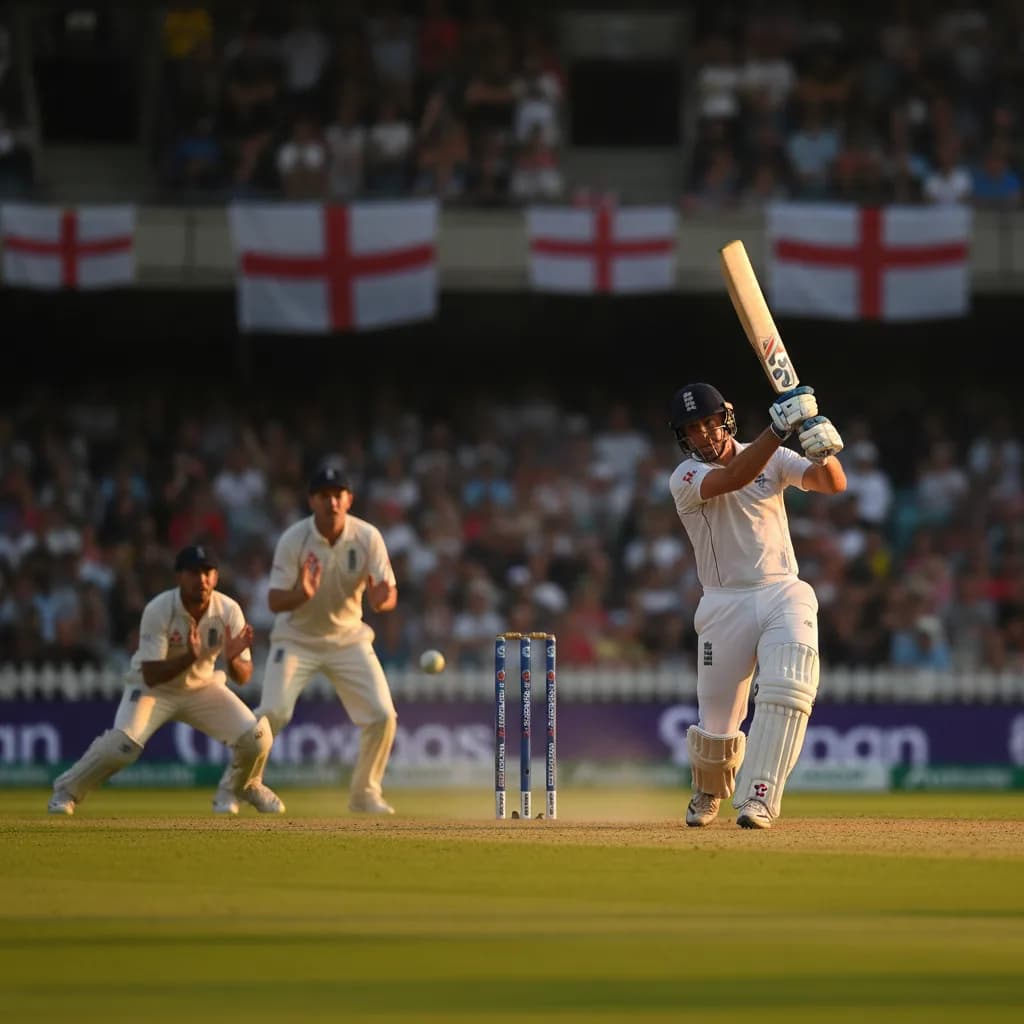
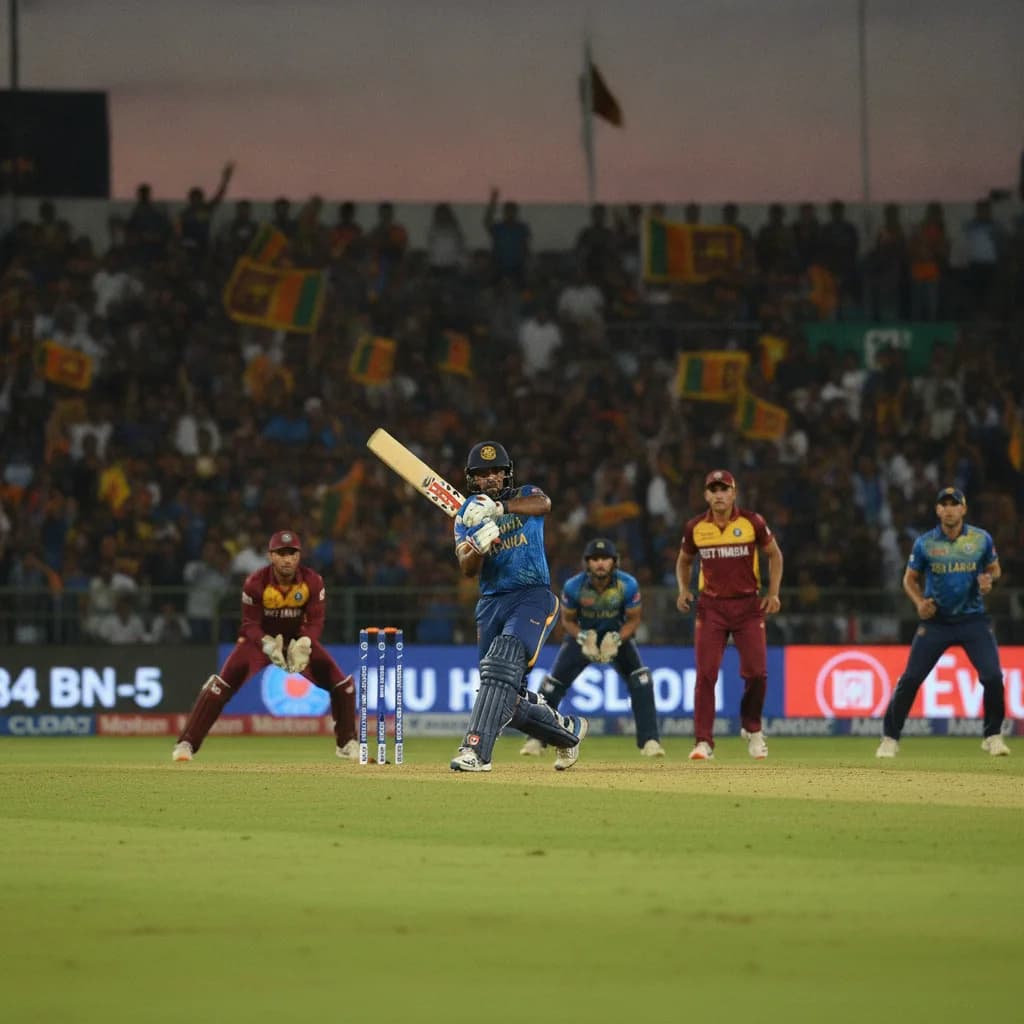
The tournament brutally exposed the flaws in other contenders. England, the defending champions, looked outdated and were eliminated in the semi-finals. Australia, for all their pedigree, lacked a dynamic powerplay bowling option. South Africa's "chokers" tag, however unfair, was reinforced by their inability to close out the final from a commanding position. New Zealand, ever consistent, again fell just short when it mattered most. The West Indies, hosts with immense power, were undone by fragile temperament. As former England captain Michael Vaughan noted on social media, "India are just too good… The gap is now a chasm in white-ball cricket."
The Financial and Systemic Gulf
This on-field dominance is underpinned by an off-field ecosystem others cannot replicate. The Board of Control for Cricket in India (BCCI) generates more revenue than all other cricket boards combined. This financial muscle funds:
- A vast, professional domestic structure.
- World-class coaching and support staff at all levels.
- The IPL, which keeps Indian players battle-hardened year-round.
- Investment in sports science and talent identification on a massive scale.
While nations like South Africa lose players to Kolpak deals or early retirement for financial security, and the West Indies struggle with board-player disputes, India's system not only retains talent but creates fierce competition for every spot. A player's international career is often shorter than his IPL career, creating a deep reservoir of experienced, high-pressure performers.
Is There a Path Back for the Others?
Hope is not entirely lost, but the path is narrow. Other nations must be smarter, more unified, and more innovative. This could involve prioritizing T20-specific development over traditional formats, forging stronger domestic T20 leagues (though they will never rival the IPL's financial pull), and identifying and fast-tracking unique talents who can provide X-factor moments. South Africa showed with their pace attack and fearless batting that they can match India for periods; the challenge is sustaining it for the full 40 overs under ultimate pressure. England's 2022 blueprint of total aggression remains valid but needs constant renewal.
The most immediate task for competitors is psychological. They must believe they can win. For too long, playing India has felt like facing an inevitable force. As Indian coach Rahul Dravid, in his final match in charge, succinctly put it, "This team has earned its luck. They were calm under pressure, and that comes from experience and confidence in your own game." That earned confidence is what the opposition currently lacks at the critical junctures.
Conclusion: An Era of Indian Hegemony
The 2024 T20 World Cup did not just hand India a trophy; it signaled the consolidation of their white-ball empire. They have the best bowler in the world (Bumrah), the most explosive batsman (Suryakumar), the most bankable finisher (Hardik), and a depth that allows them to absorb the off-days of even their greatest stars. Their system is a virtuous cycle of wealth, talent, and high-pressure experience that is self-perpetuating. While cricket will always have its glorious uncertainties, and an upset is always possible in a short format, the structural advantages India enjoys suggest this is not a peak but a plateau. The rest of the world is not just playing catch-up; they are trying to solve a puzzle for which India holds most of the pieces. The hope is there, but it is flickering faintly against the bright, dominant blue of an Indian cricket machine operating at the peak of its powers.