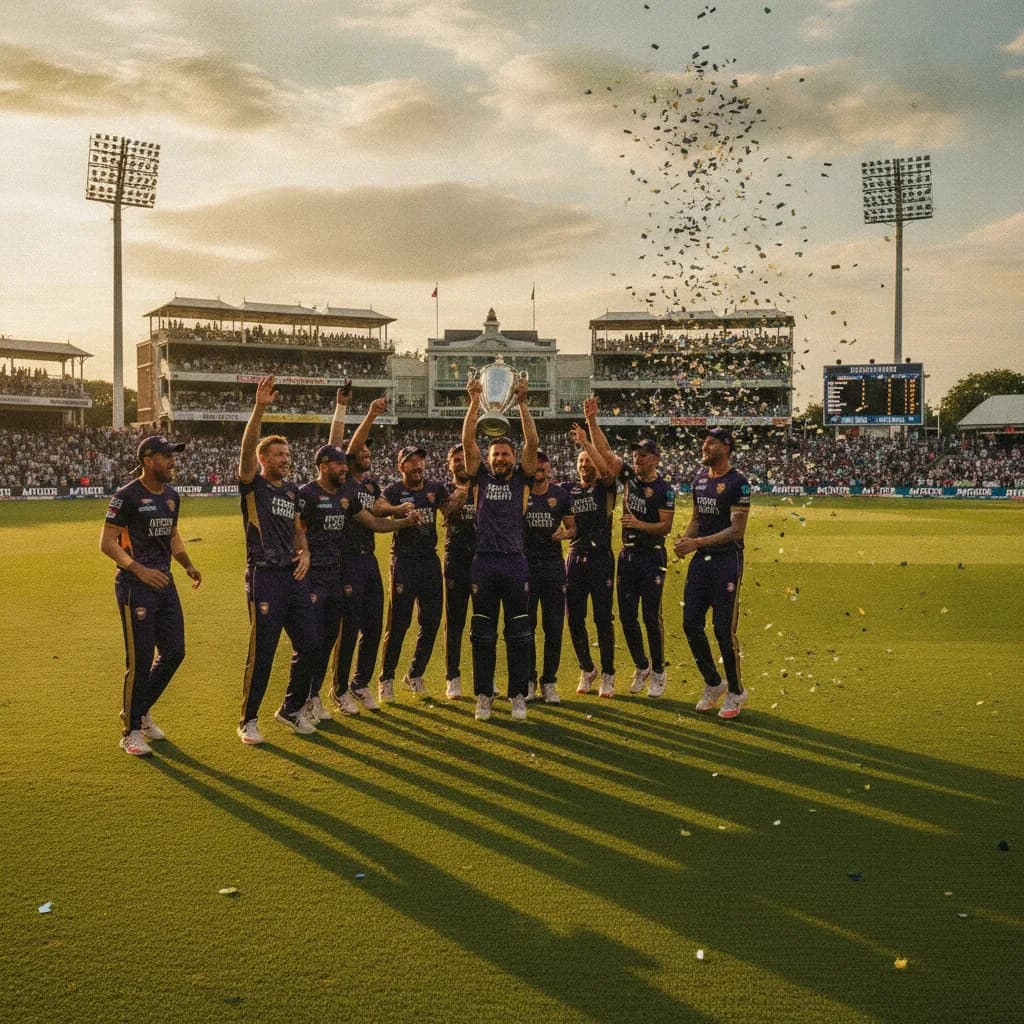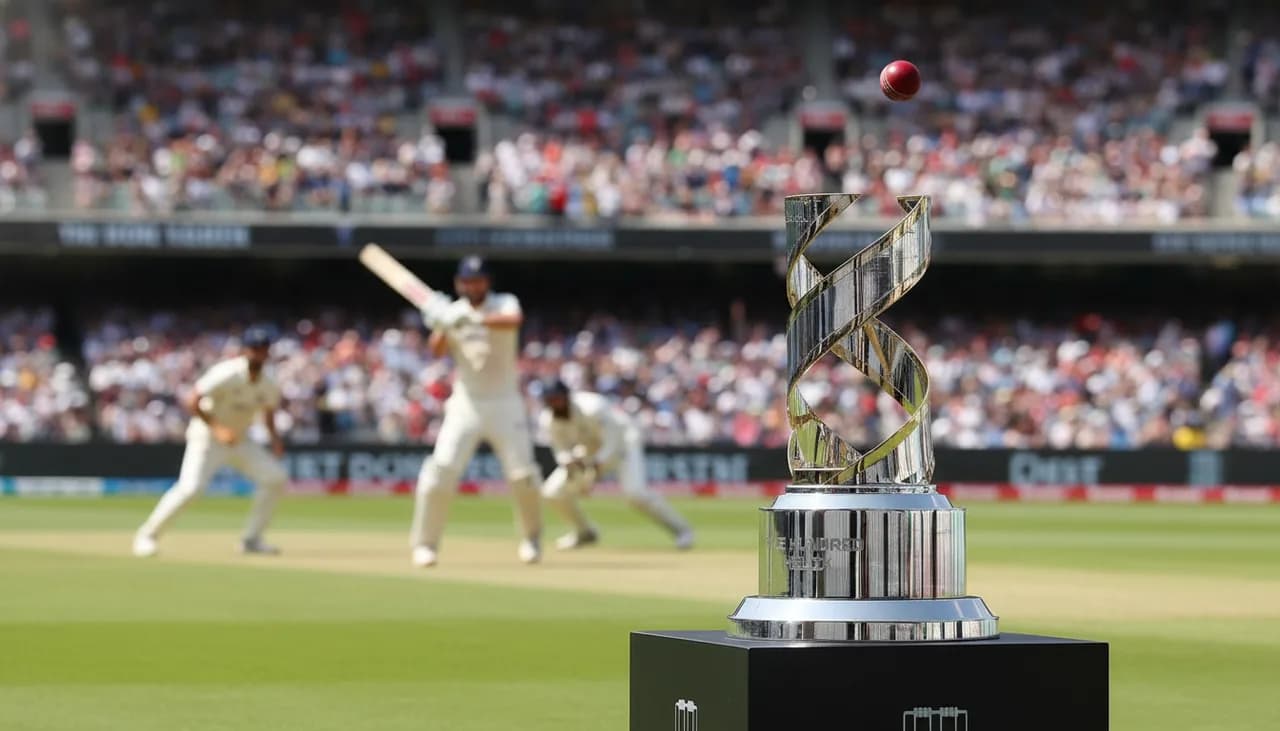
Historic Television Event Transforms Player Recruitment
On 11th March, British sport entered uncharted territory as The Hundred conducted the first professional auction of its kind in UK history. Broadcast live across YouTube and Sky Sports, this six-hour marathon transformed how we view player recruitment, turning skilled athletes into commodities with price tags that ranged from £15,000 to £210,000. What unfolded was part sporting necessity, part human drama, as 89 women cricketers from a pool of 254 candidates discovered their market value in real-time.
The Economics of Elite Women's Cricket
The financial revelations proved staggering for domestic women's cricket. Australian stars Beth Mooney and Sophie Devine commanded the auction's peak prices at £210,000 each, whilst the highest-earning domestic player secured £190,000 for just 23 days' work. These figures represent a seismic shift in women's cricket economics, potentially creating some of the highest-paid female athletes in British sport. However, the salary distribution tells a more complex story - 22 players sold at the minimum £15,000 base price, with nine others barely exceeding £20,000. This dramatic disparity raises fascinating questions about squad harmony when teammates earn fourteen times their colleagues' salaries.
Emotional Toll Behind the Glamour
Beyond the financial headlines lies the human cost of commodifying talent. Grace Ballinger, purchased by Manchester Super Giants for £42,500, candidly described the "strange and anxious feelings" of watching yourself sold to the highest bidder. Her experience echoes throughout professional sport's increasing commercialisation, where player worth becomes publicly quantified. The psychological impact on the 165 unsold players cannot be understated - imagine watching colleagues secure life-changing contracts whilst receiving no bids yourself. This auction format, whilst creating transparency, strips away the private negotiations that traditionally shield players from such public rejection.
Revolutionary Format's Wider Implications
The Hundred's auction success could fundamentally alter British sport's landscape. With betting markets already adjusting tournament favourites based on squad investments, this transparent recruitment model offers unprecedented insight into team strategies and player valuations. The six-hour duration demonstrated the complexity involved - franchise cricket demands not just talent identification but shrewd financial planning within salary caps. For cricket analysts, the data generated provides invaluable metrics for assessing player value beyond traditional statistics, incorporating market forces and perceived worth amongst professional decision-makers.
As The Hundred prepares for another season, this auction's legacy extends far beyond squad composition. It has established a new paradigm where player worth becomes public knowledge, creating both opportunities for fair valuation and potential psychological pressures. Whether this transparency ultimately benefits cricket's development or creates unhealthy dynamics within squads remains to be seen, but one thing is certain - British sport has crossed a threshold from which there's no return.