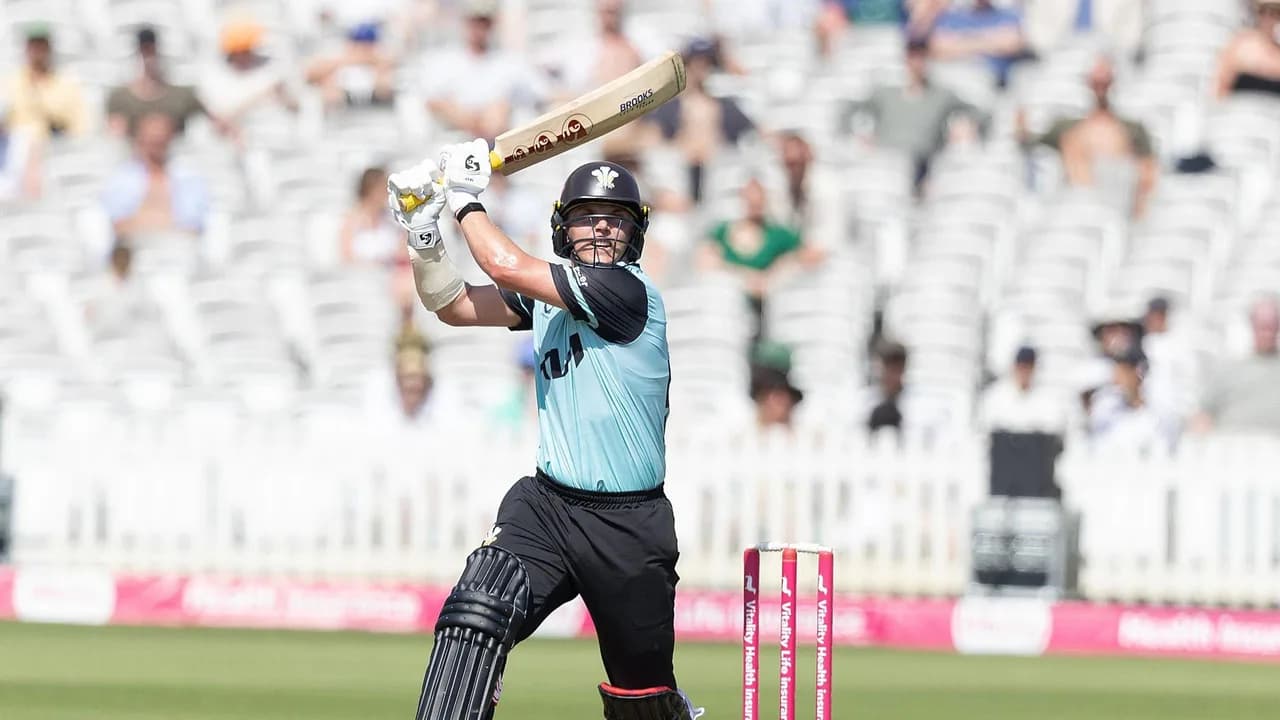
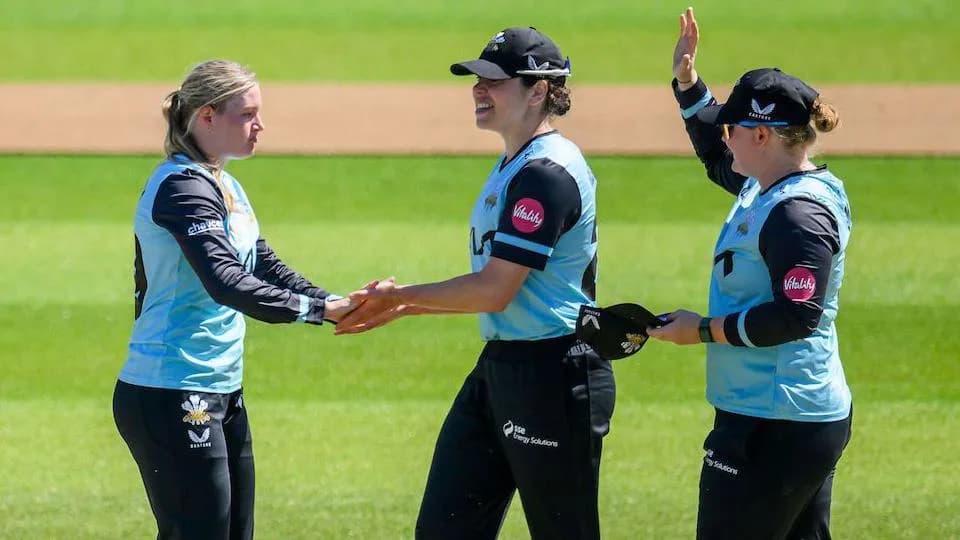
LONDON — For the third consecutive year, the Oval Invincibles have etched their name onto the men's Hundred trophy, completing a historic three-peat that cements their status as the undisputed dynasty of the competition's short history. In a thrilling final at a sun-drenched Lord's, they held their nerve to defeat the Birmingham Phoenix by just five runs, a victory built on the back of a magnificent 72 from opener Will Jacks. Yet, even as the champagne corks popped in the home dressing room, a sobering reality loomed: this could be the last time this iconic group lifts the trophy together, as seismic changes threaten to dismantle the most successful team in The Hundred.
The Blueprint for Dominance
The Invincibles' success is no happy accident; it is the product of a meticulously crafted strategy and a culture of winning. From the inaugural draft, they built a core of multi-dimensional players perfectly suited to the 100-ball format. The retention of local heroes like Jason Roy and Sam Curran provided explosive power and homegrown identity, while the shrewd overseas signings of Sunil Narine and, more recently, Heinrich Klaasen have been masterstrokes. Narine's economic mystery spin has been a constant weapon, while Klaasen's devastating finishing ability, as seen in his semi-final blitz, has added a new layer of fear for opponents.
Perhaps the most critical element has been their bowling attack's ability to perform under extreme pressure. The trio of Tom Curran, Spencer Johnson, and Gus Atkinson possesses a lethal combination of death-bowling nous, raw pace, and versatility. Coach Tom Moody summarized their ethos perfectly: "It's a squad that understands its roles implicitly. There's no panic, just a collective belief that someone will step up when it matters. That comes from experience and from winning together."
The Final Act of a Dynasty?
The very structure that allowed the Invincibles to build this dynasty is now under threat. The impending shift from a draft-based system to one that allows teams to negotiate directly with players, effectively creating a free agency market, promises to revolutionize the competition. For a team stacked with superstars, this makes them incredibly vulnerable to being picked apart by rival franchises with deeper pockets or new ambitions.
Key players who have been instrumental in all three titles are now out of contract and will be among the most sought-after commodities in the new ecosystem:
- Will Jacks: The final's MVP is now a global T20 star. His value is astronomical.
- Heinrich Klaasen: Arguably the most destructive middle-order batter in the world.
- Spencer Johnson: The left-arm quick was the tournament's leading wicket-taker and a revelation.
- Sunil Narine: His experience and economic bowling remain a priceless asset.
Retaining all of them seems a near-impossible task. As one agent, speaking on condition of anonymity, told BBC Sport: "The Invincibles are the team to beat, which means their players are the ones everyone wants. The draft protected that core. Free agency will test their loyalty and financial muscle like never before."
An Era Defined by Nerve
Beyond the personnel, the Invincibles' era will be remembered for an almost supernatural ability to win tight games. Their three finals have been nail-biters, each decided by margins of 5 runs or fewer. This points to a profound mental fortitude, a trait captain Sam Billings has cultivated. "We never think we're out of it," Billings said after the final. "There's a calmness. We've been in every situation you can imagine over three years, and that experience is worth its weight in gold."
This was exemplified in the final over of the 2024 final. With Birmingham Phoenix needing 10 runs to win, Tom Curran was entrusted with the ball. He delivered a masterclass in death bowling, mixing pinpoint yorkers with clever slower balls to seal the victory. It was a moment that defined not just a match, but an era of Invincible resilience.
What Comes Next?
The future of The Hundred itself is intertwined with the fate of its most successful team. The move to a new model is designed to increase competitiveness and player earnings, but it risks destabilizing the very narratives—like the Invincibles' dynasty—that have helped build the competition's identity. Will the Oval franchise be able to financially compete to keep its stars? Or will we see a dramatic redistribution of talent that ends their reign?
For now, the Invincibles can bask in the glory of a achievement that may never be matched. They have been the standard-bearers, the innovators, and the ultimate competitors. As the landscape of The Hundred prepares to shift beneath their feet, this third title feels like both a crowning achievement and a poignant farewell to a golden age. They didn't just win a tournament; they defined it. The question now is whether anyone, even themselves, can reassemble such a perfect machine again.
The final word belongs to the man who guided them to this pinnacle. Reflecting on the potential breakup of his team, coach Tom Moody was philosophical: "Dynasties in sport are rare and beautiful things, but they are also fragile. We've enjoyed a special three years. Whatever happens next, this group's legacy is untouchable. They are, and forever will be, the Invincibles."