
PERTH — England's Ashes preparations were jolted on the first day of their warm-up match against the England Lions in Perth, as express fast bowler Mark Wood left the field with a hamstring concern, casting a shadow over the start of their Australian tour. The 33-year-old Durham quick, a pivotal part of England's aggressive 'Bazball' strategy, will undergo a scan to determine the severity of the issue after feeling discomfort in his right hamstring following his fourth over.
Wood, who bowled with his characteristic high pace in a brief but fiery spell, pulled up after delivering the final ball of his fourth over. He immediately spoke with team medical staff and, after a brief assessment on the boundary edge, walked off the field at the WACA ground. The England and Wales Cricket Board (ECB) later confirmed the nature of the injury and the planned scan in a cautious statement.
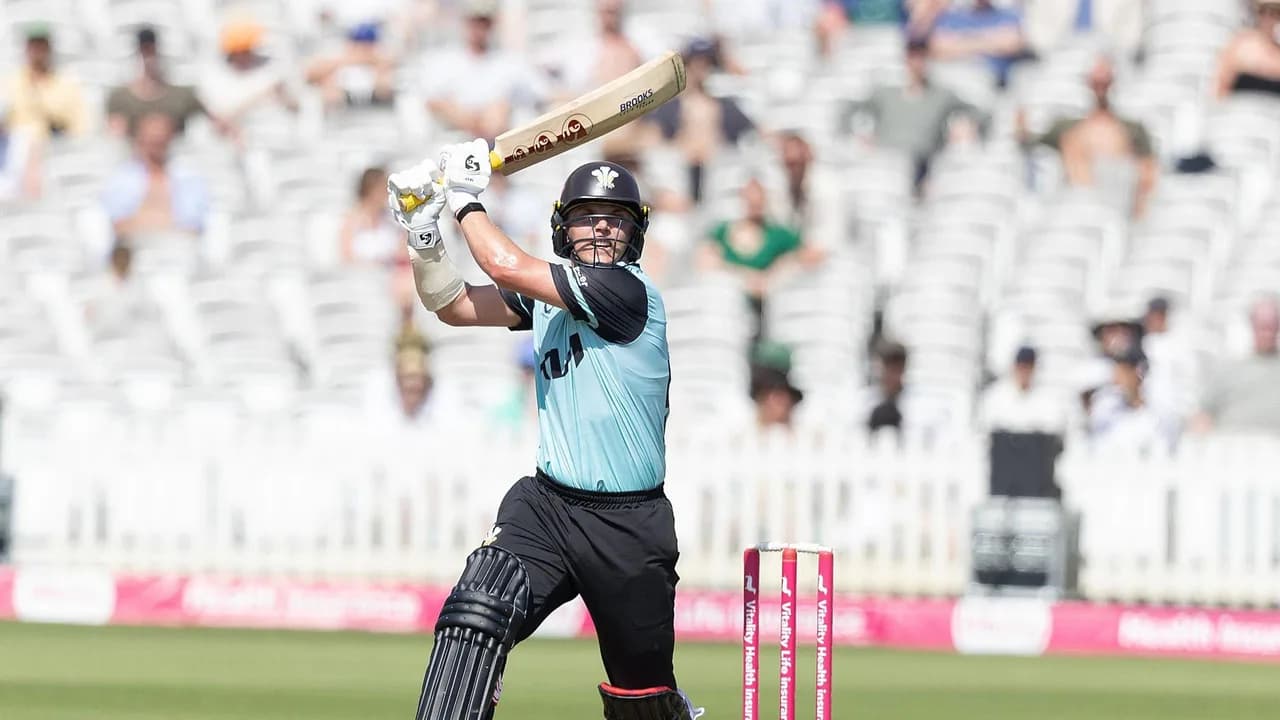
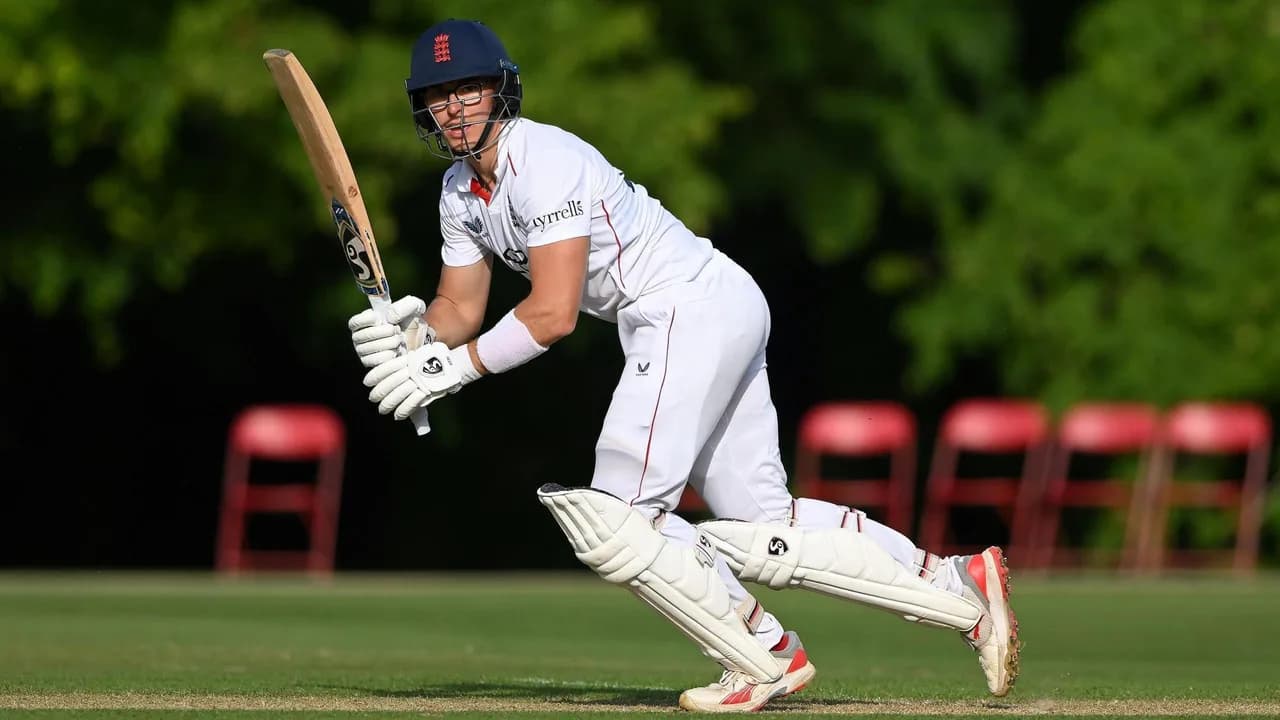
Teammate Harry Brook, who was batting at the time and went on to score an unbeaten century, addressed the media after the day's play. While acknowledging the concern, Brook presented a pragmatic view, suggesting such scares are an occupational hazard for bowlers of Wood's ilk. "It's part of being an extremely fast bowler, I suppose," Brook stated, encapsulating the inherent risk that comes with generating such extreme pace.
A History of Fitness Battles
For Mark Wood, this latest setback is a familiar narrative in a career often punctuated by injury layoffs. His explosive, high-impact bowling action has made him one of the most feared bowlers in world cricket, but it has also taken a significant physical toll. His career has been managed carefully, with his workload meticulously monitored to preserve his body for key assignments like the Ashes.
Wood's injury history is a long one, featuring:
- Multiple ankle surgeries that required extensive rehabilitation.
- A chronic elbow problem that has flared up intermittently.
- Various side and hip strains related to his forceful delivery.
- A previous stress fracture in his left elbow that sidelined him for months.
Despite these challenges, Wood has remained a crucial asset, particularly in England's recent transformational phase under coach Brendon McCullum and captain Ben Stokes. His memorable performance in the previous Ashes series in Australia, where he consistently breached 150 km/h and claimed six wickets in the Hobart Test, is a stark reminder of the game-changing threat he poses.
The Stokes-McCullum Conundrum
The potential loss of Wood presents a significant tactical headache for the England leadership. In the 'Bazball' era, Wood's raw pace has been the perfect complement to the more nuanced skills of James Anderson and Stuart Broad, and the relentless accuracy of Ollie Robinson. He provides the X-factor, the ability to blast out top-order batsmen and shatter partnerships on seemingly docile pitches, a quality that is priceless in Australian conditions.
Captain Ben Stokes, who himself is managing a chronic knee condition that has limited his bowling, has often spoken about the importance of having Wood's "point of difference" in the attack. The team's entire approach is built on aggression and taking the initiative, and Wood is the embodiment of that philosophy with the ball. His absence would force a strategic rethink, potentially bringing the uncapped Josh Tongue or the experienced Chris Woakes more firmly into the frame for the first Test at Edgbaston.
What the Specialists Say
Sports medicine experts often highlight the immense physical demands placed on fast bowlers. Dr. Simon Roberts, a leading sports physiotherapist, explained, "The forces going through the body at the point of delivery for a bowler like Wood are astronomical. The hamstring and gluteal muscles are under extreme tensile load, and it's a biomechanical miracle they don't break down more often."
This incident also reignites the debate over the scheduling of high-profile tours and the minimal preparation time afforded to modern cricketers. England arrived in Australia with just this single four-day match against the Lions as their primary tune-up before the Ashes begins on June 16th. Any disruption to a key player's rhythm and fitness in such a limited lead-up is magnified.
The Silver Lining and Next Steps
Despite the immediate alarm, there are cautious reasons for optimism. The fact that Wood left the field under his own power and the team described the move as "precautionary" suggests the management may have caught the issue early. The scan results, expected within 24 hours, will provide the definitive picture. The ECB medical team, renowned for their conservative approach, will not take any chances with a player of Wood's calibre so close to a marquee series.
Brook, while pragmatic, also expressed confidence in the team's depth and Wood's resilience. "We've got a lot of bowlers in this squad, a lot of quality. We'll see how he is. It's obviously not ideal, but he's a strong lad and he's been through things like this before. Fingers crossed it's not too serious and we can have him firing for the first Test." The entire cricketing world, and particularly an anxious England camp, now awaits the verdict of the medical scan with bated breath.