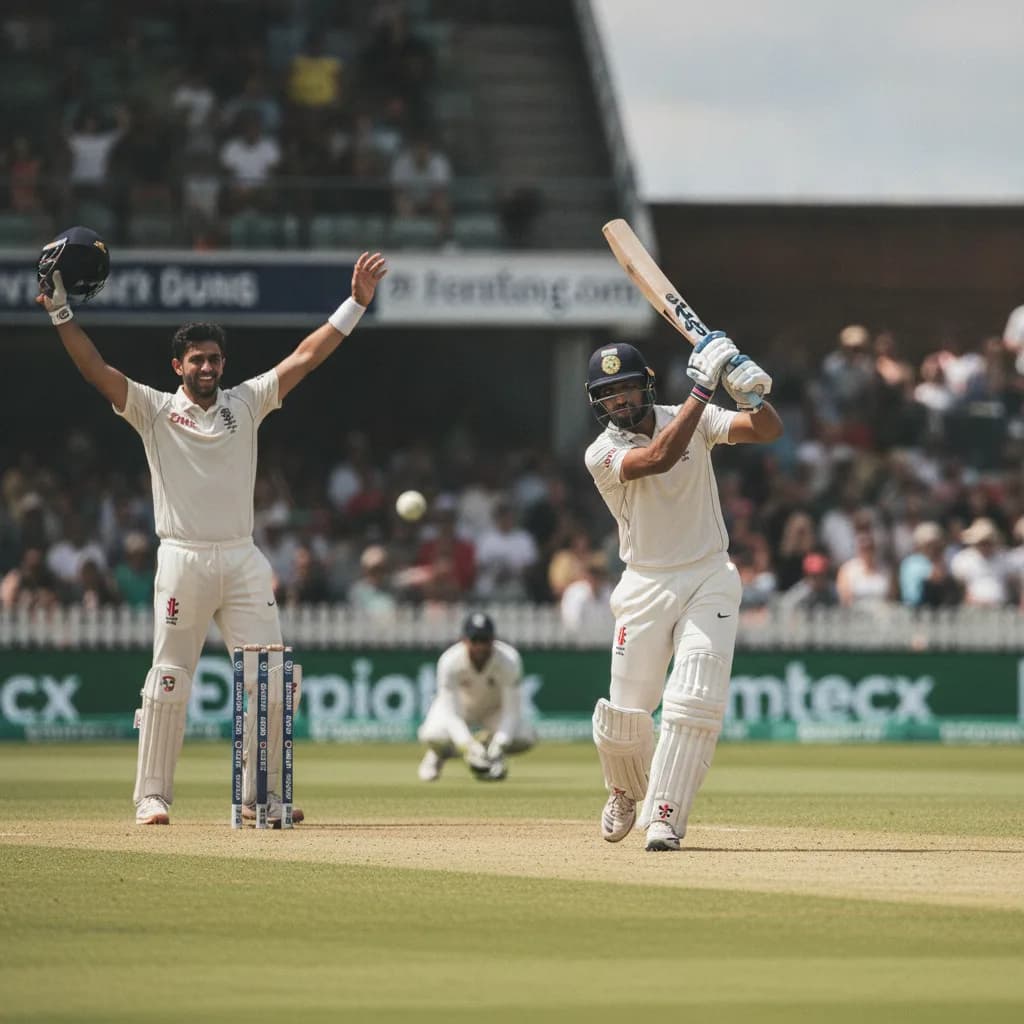
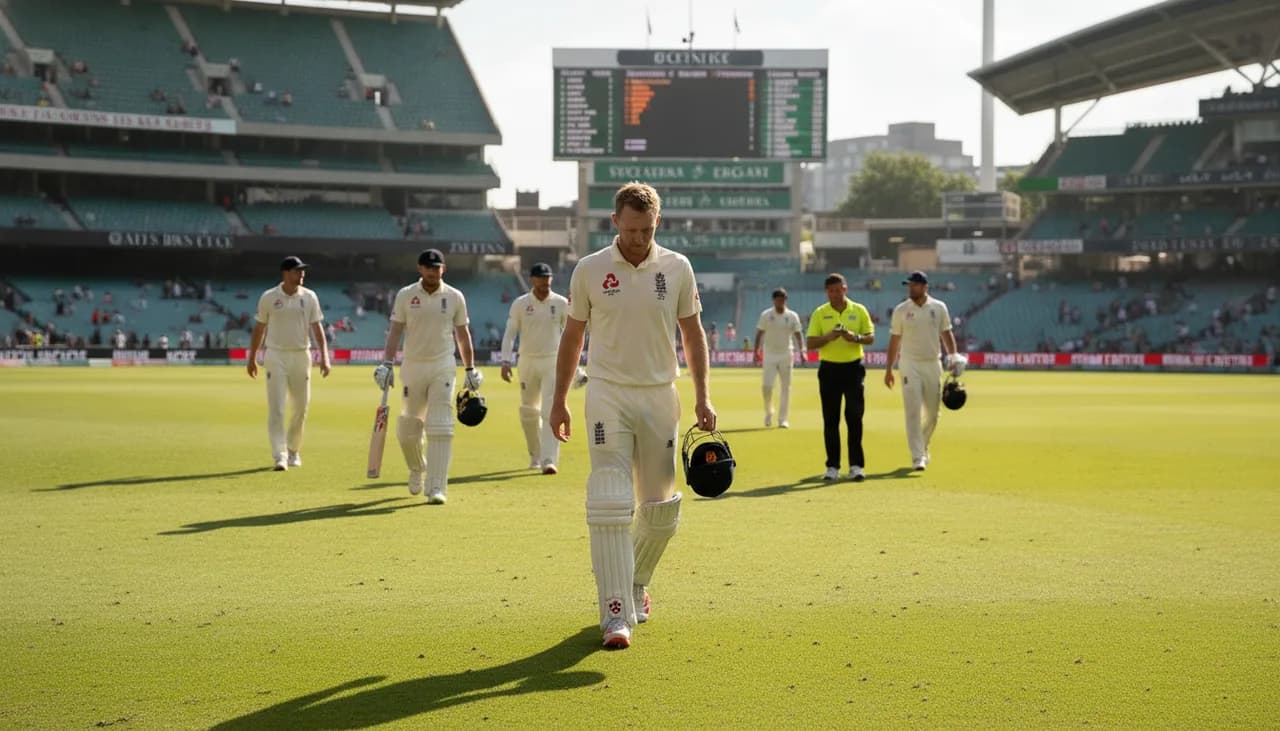
As England prepare for the T20 World Cup beginning in just 50 days, captain Heather Knight stands at the crossroads of expectation and opportunity. The 35-year-old, who lifted the trophy at Lord's eight years ago, believes the upcoming tournament on home soil can achieve something her 2017 victory couldn't - lasting transformation for women's cricket in Britain.
Missed Opportunities from Lord's Glory
Reflecting on England's memorable 2017 World Cup triumph, Knight acknowledges that the infrastructure simply wasn't ready to maximise the momentum. "I think there probably wasn't the structure in place to really maximise it in 2017," she told BBC Sport, highlighting how domestic cricket lacked professional foundations at the time. The captain's honest assessment reveals a missed opportunity that has shaped her determination for this summer's campaign. With England opening against Sri Lanka at Edgbaston, the stakes feel different this time around - not just for silverware, but for the sport's future in the UK.
Professional Revolution Changes Everything
The landscape Knight surveys now bears little resemblance to 2017's amateur foundations. Professional domestic structures and The Hundred have revolutionised women's cricket, creating what she describes as proper "scaffolding" for sustained growth. "We're in a completely different place now," Knight emphasises, pointing to how normalised women's sport has become. This infrastructure transformation represents the crucial difference between fleeting success and lasting impact. The betting markets reflect this optimism too, with England among the favourites for outright victory on home soil.
Trophy Drought Drives Determination
Despite the structural improvements, England's trophy cabinet has remained bare since 2017 - a sobering reality that adds urgency to Knight's mission. The team has endured heartbreak in finals against Australia in both 2018 and 2022, whilst South Africa ended their semi-final hopes in consecutive tournaments. Most painfully, they failed to escape the group stage at last year's T20 World Cup following defeat to the West Indies. Knight sees the recent county structure revamp as crucial preparation for breaking this cycle, believing that proper investment and organisation will naturally yield results.
Building Legacy Beyond Results
England and Wales Cricket Board strategist Gemma Barton echoes Knight's vision, emphasising that legacy creation cannot depend solely on tournament success. Her statistics paint an encouraging picture - 24,000 women's fixtures took place across England and Wales last year, demonstrating grassroots growth that transcends international results. Knight acknowledges that 2017's greatest achievement was changing perceptions about women's cricket's potential when properly funded and presented. With professional structures now embedded and public appetite growing, this summer's World Cup represents a chance to complete the transformation that began at Lord's eight years ago.
As Knight prepares for what could be her final home World Cup, the captain carries expectations that extend far beyond personal glory, knowing that success this summer could genuinely revolutionise women's cricket for generations to come.