The cricket world is witnessing another significant transition as Daniel Gidney prepares to conclude his remarkable 14-year journey as Lancashire's chief executive. His impending retirement at year's end marks the conclusion of one of the most transformative periods in the county's modern history, though his departure comes against a backdrop of internal discord that has divided opinion at Old Trafford.
A Legacy of Infrastructure and Achievement
Gidney's tenure has been defined by ambitious infrastructure projects that have reshaped Lancashire's landscape. The £75 million redevelopment of Old Trafford stands as perhaps his most visible achievement, transforming the venue into a world-class facility capable of hosting cricket's premier events. The construction of Farington, Lancashire's dedicated high-performance centre, represents another cornerstone of his vision for the county's future.
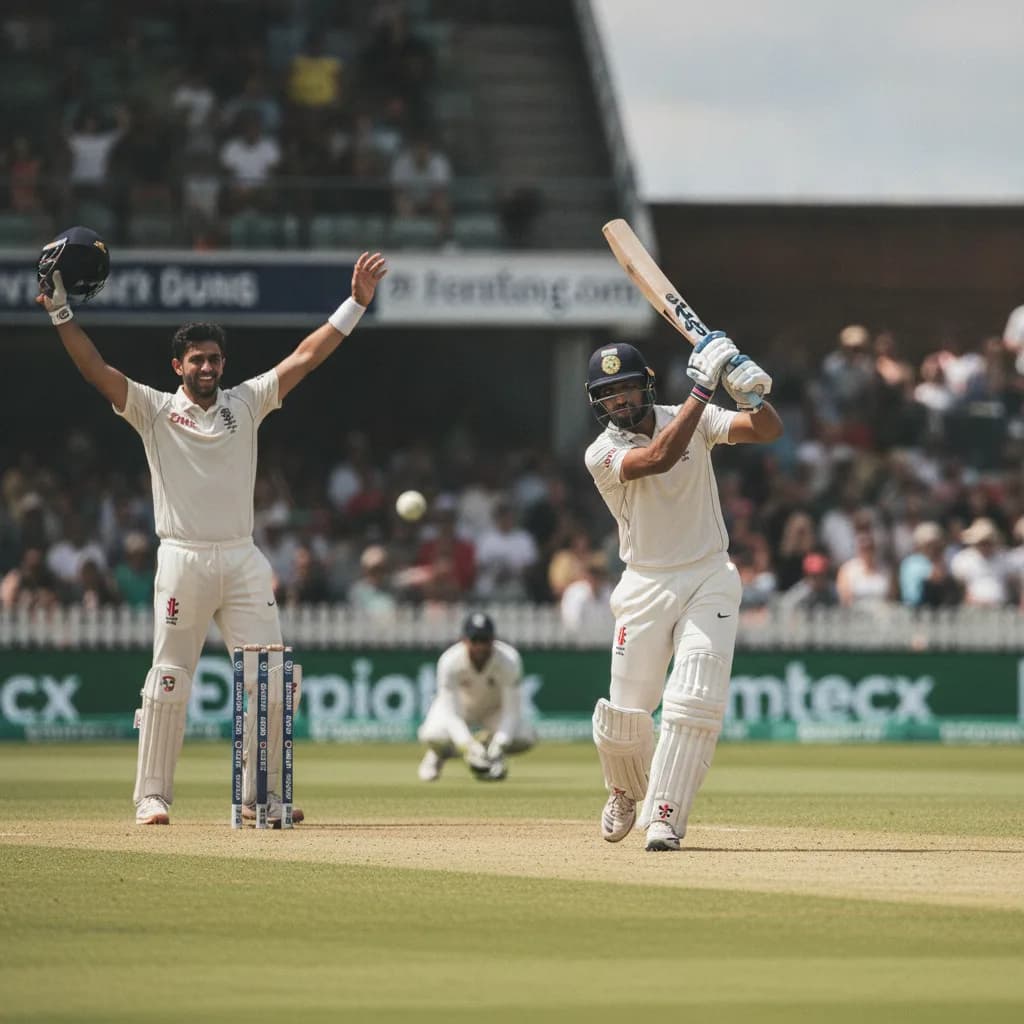
On the field, his era has delivered tangible success across multiple formats and teams. The Lightning's triumph in the 2015 Vitality Blast remains a highlight, whilst the men's team secured County Championship Division Two titles on two separate occasions. Perhaps most significantly for the broader cricket landscape, Lancashire Women captured both the One-Day Cup and T20 County Cup last season, reflecting the county's commitment to developing cricket across all levels.
Navigating Controversy and Criticism
However, Gidney's final months have been overshadowed by vocal opposition from several Lancashire legends. Former England coach David Lloyd and ex-international Paul Allott have led a chorus of criticism, questioning the club's governance and expressing concerns about cricket expertise within the boardroom. This revolt by former players has created an uncomfortable atmosphere as the 2026 season approaches, with critics targeting both Gidney and interim chair Dame Sarah Storey.
The timing of these criticisms, emerging just as Lancashire appeared to be entering a period of financial stability, highlights the complex challenges facing modern county cricket administration. Balancing commercial imperatives with traditional cricket values remains a delicate act, and Gidney's experience illustrates how even successful tenures can face scrutiny.
Financial Foundations for Future Success
Despite the recent turbulence, Gidney emphasises the solid financial platform he believes he's leaving behind. His assertion that Lancashire is "entering a new era of financial stability" provides crucial context for understanding his legacy. The county's ability to continue investing in player recruitment, development programmes, and cricket infrastructure will ultimately determine whether his vision translates into sustained success.
Speaking about his decision, Gidney reflected on his role as a custodian, stating his aim was always "to leave it in a stronger position than the one I inherited." He highlighted hosting Ashes Tests and World Cup fixtures as particular achievements, alongside the trophy successes and infrastructure developments that have defined his tenure.
As Lancashire prepares for this leadership transition, the search for Gidney's successor will be crucial in determining whether the county can build upon the foundations laid during his tenure whilst addressing the concerns raised by its cricket heritage. The betting markets will undoubtedly monitor how this change affects Lancashire's prospects for 2025 and beyond, particularly given the uncertainty that leadership transitions can create within county cricket organisations.