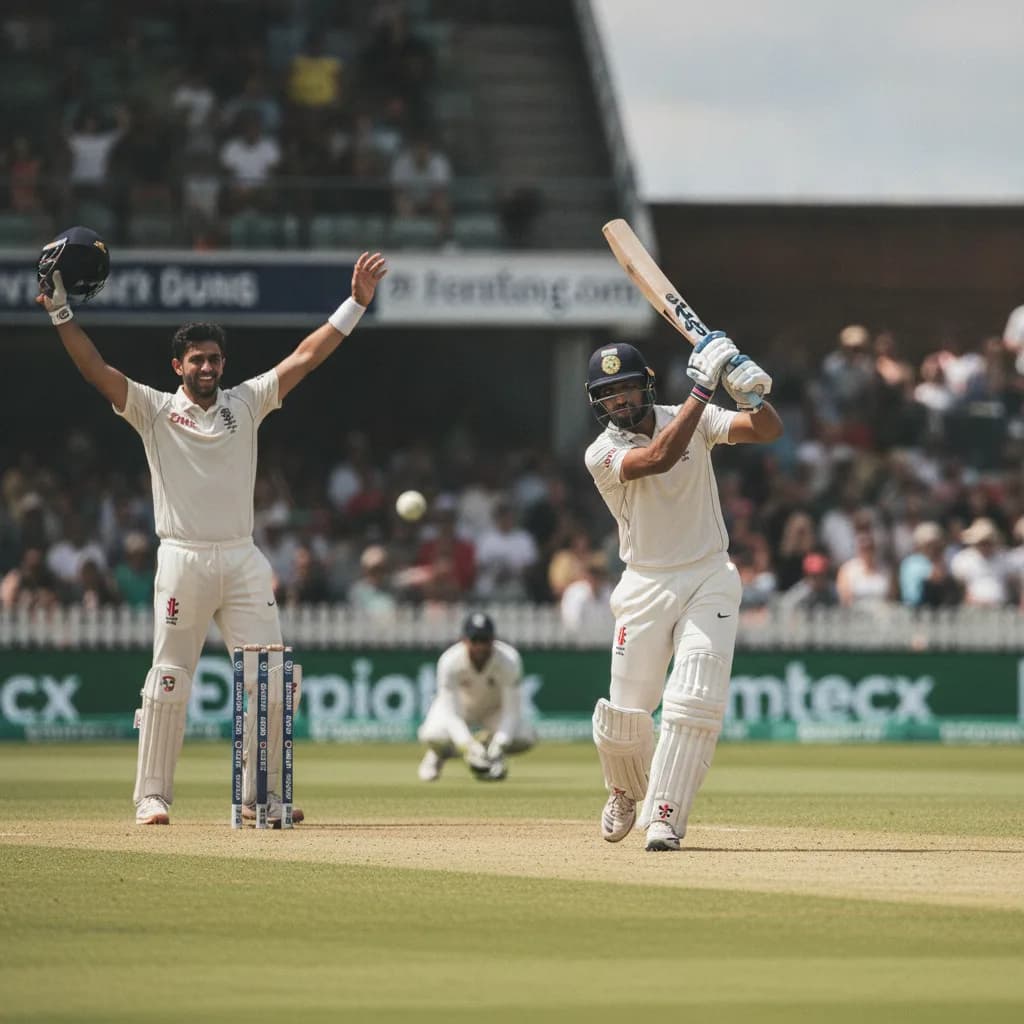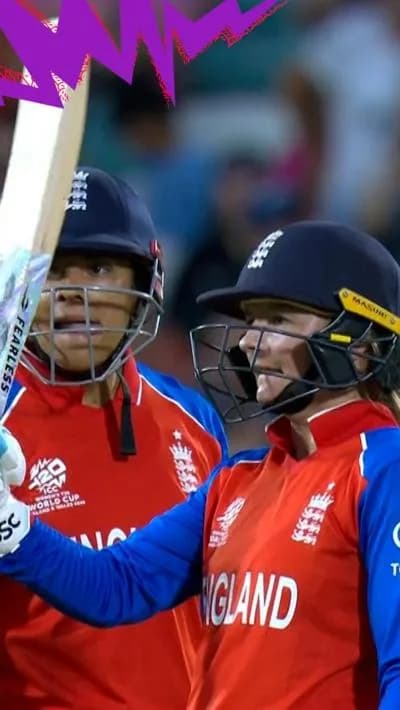
The hallowed halls of Lord's may soon witness a radical shift in membership policy as the Marylebone Cricket Club grapples with an uncomfortable truth - after allowing women to join in 1998, the institution has managed to attract a measly 3.2% female membership. Now, faced with mounting pressure and commercial realities, the MCC is seriously considering a fast-track system that would allow women to bypass the infamous 30-year waiting list.
A Quarter-Century of Glacial Progress
When the MCC finally opened its doors to women 25 years ago, ending over two centuries of male exclusivity, the committee was adamant there would be no preferential treatment. This principled stance has produced predictably sluggish results. Internal documents circulated ahead of the club's Annual General Meeting reveal the organisation's growing frustration with the "lack of progress in female membership since then," acknowledging the current approach as "worthy of reconsideration."
The numbers paint a stark picture of institutional inertia. At the present rate of female recruitment, achieving even a modest target of 20% women members - proposed at last year's AGM - would require another 35 years. For cricket's most influential club, such glacial progress represents not just a moral failing but an increasingly serious commercial liability.
Commercial Pressures Drive Change
Modern sporting sponsorship operates in a dramatically different landscape than when the MCC first entertained the radical notion of female membership. Today's corporate partners demand broader demographic appeal, and the club's consultation paper acknowledges this reality with refreshing candour. "Sponsors in sport are looking at how they can speak to men and women alike," the document states, warning that membership demographics "could influence this in the coming years."
This commercial awakening follows criticism from the Independent Commission for Equity in Cricket, which identified the MCC's "pivotal role" in addressing cricket's systemic sexism problem. Internal sources have described the current gender imbalance as "frankly ridiculous," suggesting institutional appetite for meaningful reform.
The Road Ahead
The proposed fast-tracking mechanism faces significant hurdles beyond the obvious resistance from those who've endured decades-long waits. Any fundamental change to membership policy requires approval from two-thirds of existing members - a demographic hardly predisposed to revolutionary thinking. The consultation process running through July will test whether Lord's old guard can embrace necessary modernisation.
Alternative strategies under consideration include expanding overall membership numbers, reforming the application pipeline, and enhancing women's playing programmes. However, these measures feel like tinkering around the edges when faced with such stark statistical evidence of institutional failure.
The MCC stands at a crossroads where tradition meets necessity. Whether this venerable institution can summon the courage to meaningfully address its gender imbalance will say much about cricket's commitment to genuine inclusivity. For a club that prides itself on guardianship of the game's laws and spirit, ensuring half the population feels genuinely welcome shouldn't require such agonised deliberation.