
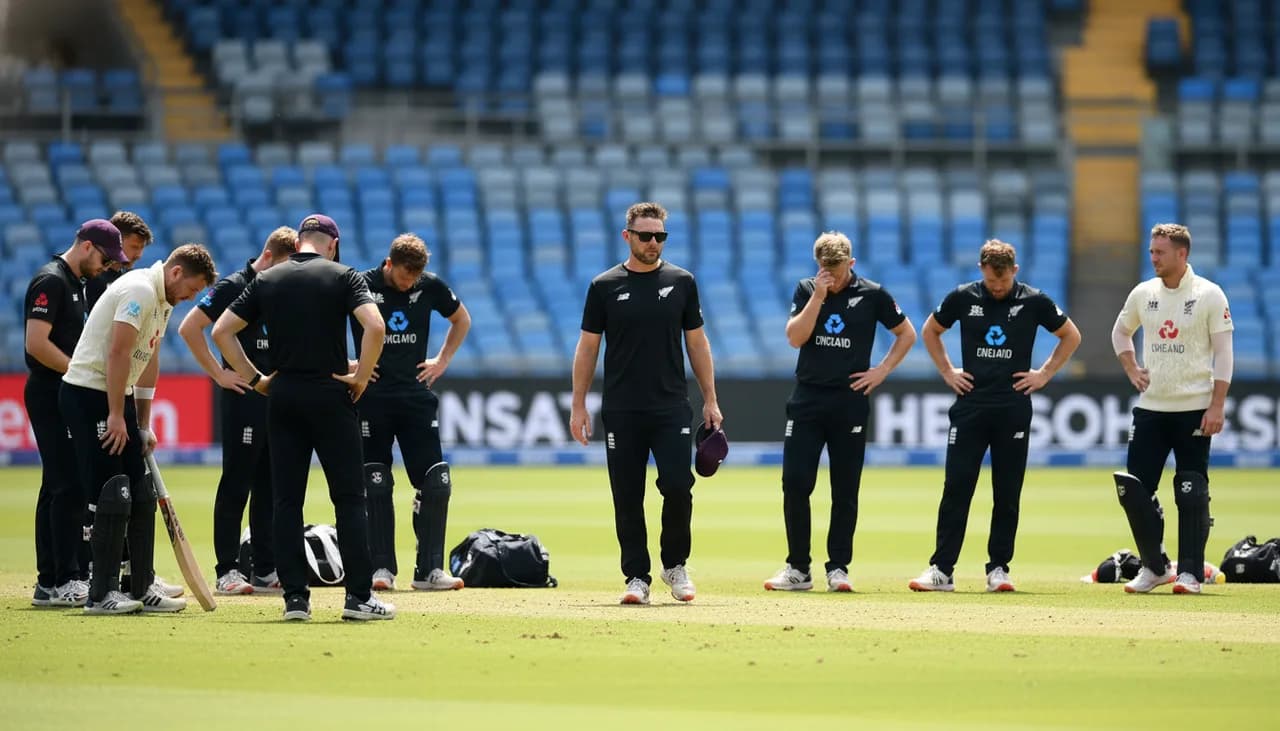
Facing the Music After Australian Nightmare
Brendon McCullum has delivered a sobering assessment of England's disastrous Ashes campaign, acknowledging that his team must confront the inevitable criticism following their comprehensive 4-1 series defeat Down Under. The head coach's candid reflections come as England prepare to host his native New Zealand at Lord's on Thursday, with the team's approach under intense scrutiny after squandering what many viewed as their best opportunity to reclaim the urn in years.
A Painful Reality Check for England
Speaking to BBC Sport ahead of the Lord's Test, McCullum didn't shy away from the harsh realities of England's Australian failure. "There was huge hopes and ambitions for success down in Australia and we didn't get it right," the former New Zealand captain admitted. "We had our chance, we didn't take it and we got beat." His words carry particular weight given the widespread expectation that England would capitalise on facing what was perceived to be a weakened Australian side. The comprehensive nature of the defeat has shifted the outright odds for future series, with bookmakers now viewing England's aggressive 'Bazball' approach with increased scepticism.
Rebuilding Trust Through Performance
McCullum's wide-ranging interview revealed several key admissions about the Australian debacle and England's path forward. Perhaps most tellingly, he confessed to overestimating his team's readiness for the intense pressure of an away Ashes series—a crucial misjudgement that contributed to their downfall. The coach outlined England's strategy for regaining credibility, emphasising that only consistent victories in major series will restore supporter confidence. He also revealed tactical considerations for the immediate future, including potential batting order changes that could see captain Ben Stokes and wicket-keeper Jamie Smith swap positions at numbers six and seven.
Learning From Failure
The emotional toll of the defeat wasn't lost on McCullum, who highlighted how the result affected not just the playing squad but their families, support staff, and the thousands of supporters who made the expensive journey to Australia. "It hurt," he stated simply, before acknowledging that the team must now "handle a little bit of the backlash" from their failure. McCullum's survival of the post-tour review demonstrates the England and Wales Cricket Board's continued faith in his methods, despite mounting criticism of the team's high-risk approach. His frank admission that he's not everyone's "cup of tea" suggests an awareness of the divided opinions surrounding his coaching philosophy. As England embark on this crucial Test series against New Zealand, McCullum's challenge is clear: transform the painful lessons learned in Australia into tangible improvements that can restore faith in English cricket's bold new direction.