
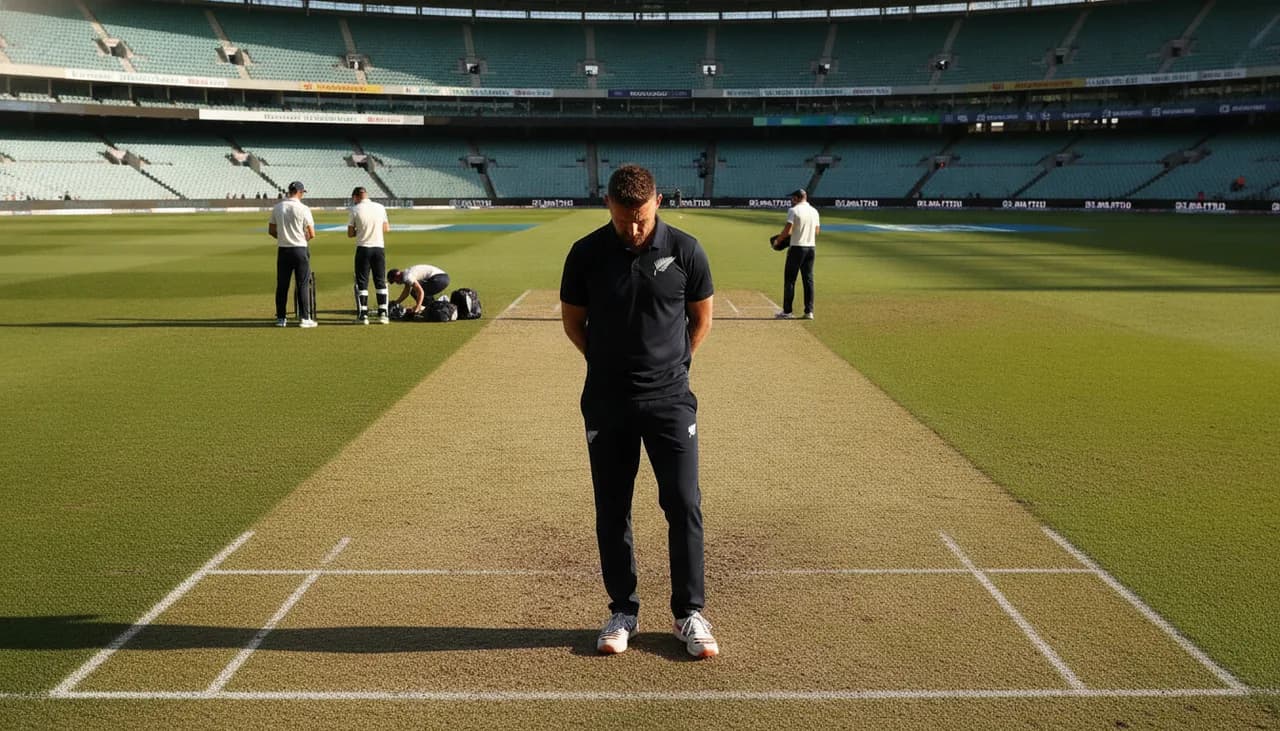
The Axe Falls on Bazball
It is over. After four transformative, turbulent and ultimately disappointing years, Brendon McCullum has been sacked as England's Test head coach. The decision, confirmed on 12 July 2026, marks the definitive close of the Bazball era — a chapter that promised so much but has ended in disarray. Coming just a fortnight after Ben Stokes shocked the cricketing world by stepping down as captain and retiring from international cricket entirely, McCullum's departure feels less like a clean break and more like the final brick falling from a crumbling wall.
The England and Wales Cricket Board hierarchy spent considerable time deliberating before pulling the trigger, with Director of Cricket Rob Key keeping his position for now. McCullum won't disappear from English cricket altogether — he retains his role as white-ball coach — but his involvement with the Test side is finished.
A Collapse in Results
As a former coach myself, I know how quickly momentum can shift in professional sport, but the speed of England's decline has been alarming to witness. Seven defeats in their last nine Test matches tells its own damning story. The 4-1 Ashes hammering in Australia was a serious blow, yet McCullum, Stokes and Key were all publicly backed to continue in their roles at that point. What ultimately proved fatal was the 2-1 series defeat to New Zealand at home — England's first home series loss of three or more Tests in 14 years. Losing to the Black Caps on home soil, of all sides, was the result that changed the mathematics of this situation entirely. For the betting markets watching England's Test summer, those odds on a coaching change will have been shortening for weeks.
Off-Field Trouble Made Things Worse
Poor results alone might have been survivable, but a series of off-field incidents compounded the pressure enormously. A nightclub incident involving Stokes and Gus Atkinson cast a shadow over the New Zealand series, and Stokes' subsequent abrupt retirement added chaos to crisis. When your captain walks away mid-cycle and your coach follows within weeks, it signals something deeper than a rough patch. This feels like a structural failure that Rob Key will need to address with real urgency.
McCullum, for his part, was measured in his response. "I've absolutely loved coaching the Test side and I'm incredibly proud of what we've achieved together," he said. "There've been some unbelievable highs and a few tough days along the way, but that's all part of taking on a challenge like this. Of course I'm gutted not to be continuing, but I respect the decision."
What Happens Next?
England now face the extraordinary position of heading into a Test series against Pakistan — beginning on 19 August — with neither a head coach nor a captain in place. Harry Brook is widely considered the frontrunner for the captaincy, though that appointment may well depend on who takes the coaching role, since any new head coach will naturally want input into the leadership structure. Brook's odds to be named skipper will be attracting attention in the markets right now.
It is worth noting that since 1999, only two Englishmen have held the Test head coach position — Peter Moores, who did the job on two separate occasions, and Chris Silverwood, McCullum's immediate predecessor. Whether the ECB opts for another overseas appointment or looks closer to home will be one of the defining decisions of this transitional period. Whoever takes the job inherits a significant rebuilding task — and not a great deal of time to begin it.