The Eye of the Storm
Few cricketers generate as much pre-match discussion as Pakistan's Usman Tariq, whose unconventional bowling technique has become the sport's most polarising talking point. The 28-year-old off-spinner may have appeared in just four international fixtures, but his distinctive delivery method continues to spark heated debate wherever he plays. As Pakistan captain Salman Agha noted recently, Tariq has faced scrutiny throughout his career, yet remains remarkably unfazed by the constant chatter surrounding his approach.
A Unique Bowling Technique
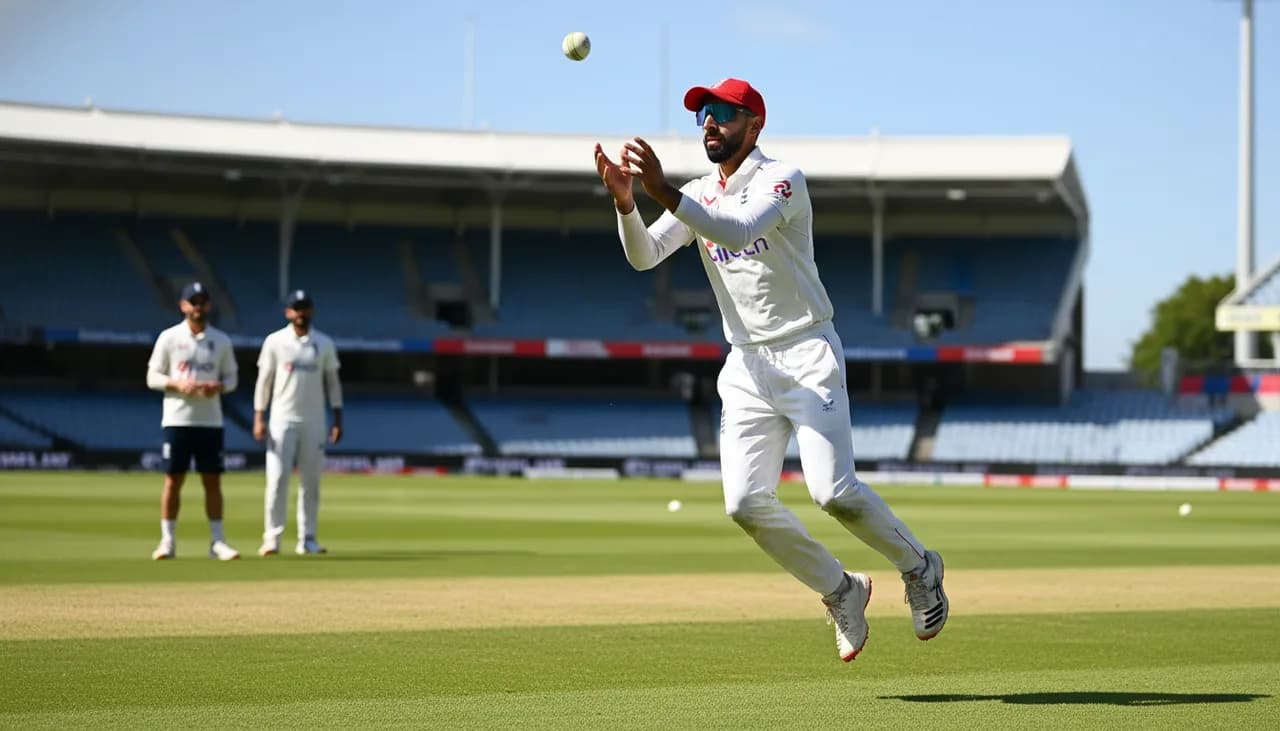
Tariq's method stands apart from traditional spin bowling in several striking ways. His approach involves a measured run-up followed by a deliberate pause mid-stride, bringing him to a complete halt before unleashing the ball with an unusually low-armed sling action. This technique has proven effective on the field - he's captured 11 wickets across his four T20 internationals, including impressive figures of 3-27 against the United States at the recent World Cup. However, the visual impact of his delivery has consistently raised eyebrows among opponents and spectators alike.
Confrontations and Accusations
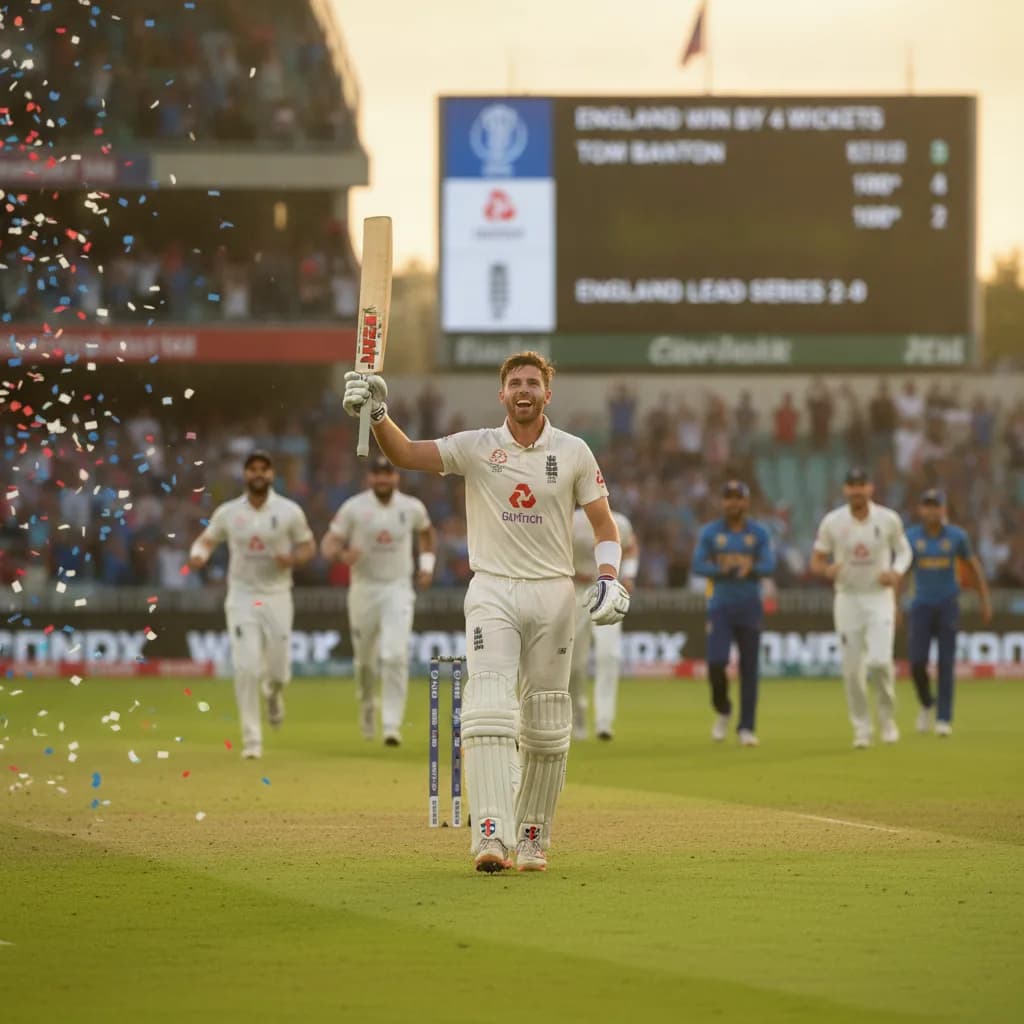
The controversy surrounding Tariq's action has manifested in several high-profile incidents involving international players. During a warm-up series between Australia and Pakistan, Australian batsman Cameron Green mimicked a side-arm throwing motion after falling victim to Tariq's bowling - a gesture for which he subsequently apologised. Similarly, England's Tom Banton appeared to question the legality of Tariq's delivery to match officials during the ILT20 tournament in the United Arab Emirates. These incidents highlight the discomfort some players feel when facing his unorthodox style, with betting markets often shifting when Tariq enters the attack due to the uncertainty his action creates.
Official Scrutiny and Vindication
The Pakistan Cricket Board and international officials have thoroughly examined Tariq's technique on multiple occasions. Twice during Pakistan Super League competitions - once in 2024 and again in 2025 - on-field umpires formally reported concerns about his action for further investigation. However, both reviews concluded with complete exoneration, officially clearing him to continue bowling without modification. This vindication hasn't silenced critics, but it provides Tariq with the regulatory backing needed to pursue his international ambitions.
Despite the ongoing scrutiny, Tariq's focus remains firmly on performance rather than perception. His journey from limited first-class experience to international recognition demonstrates how T20 cricket can accommodate unique talents that might struggle in longer formats. With successful campaigns in the Pakistan Super League, Caribbean Premier League, and ILT20 behind him, Tariq has proven his effectiveness transcends the controversy. As cricket continues evolving, his case raises fascinating questions about innovation versus tradition in bowling techniques, ensuring his action will remain a compelling subplot in Pakistan's cricketing narrative.