DHAKA — Pakistan batter Salman Ali Agha has been officially reprimanded by the International Cricket Council (ICC) for his angry reaction following a controversial run-out during the second One-Day International against Bangladesh on Friday. The incident, which occurred during a tense chase, sparked immediate debate and cast a shadow over the visitors' eventual 7-wicket victory, which sealed the three-match series.
The ICC confirmed on Saturday that Agha had been found guilty of a Level 1 breach of its Code of Conduct, specifically Article 2.8, which covers "showing dissent at an Umpire’s decision." He received one demerit point, his first in a 24-month period, and an official reprimand. The charge was levelled by on-field umpires Gazi Sohel and Masudur Rahman, and third umpire Sharfuddoula Ibne Shahid.
The Controversial Dismissal: A Flashpoint of Frustration
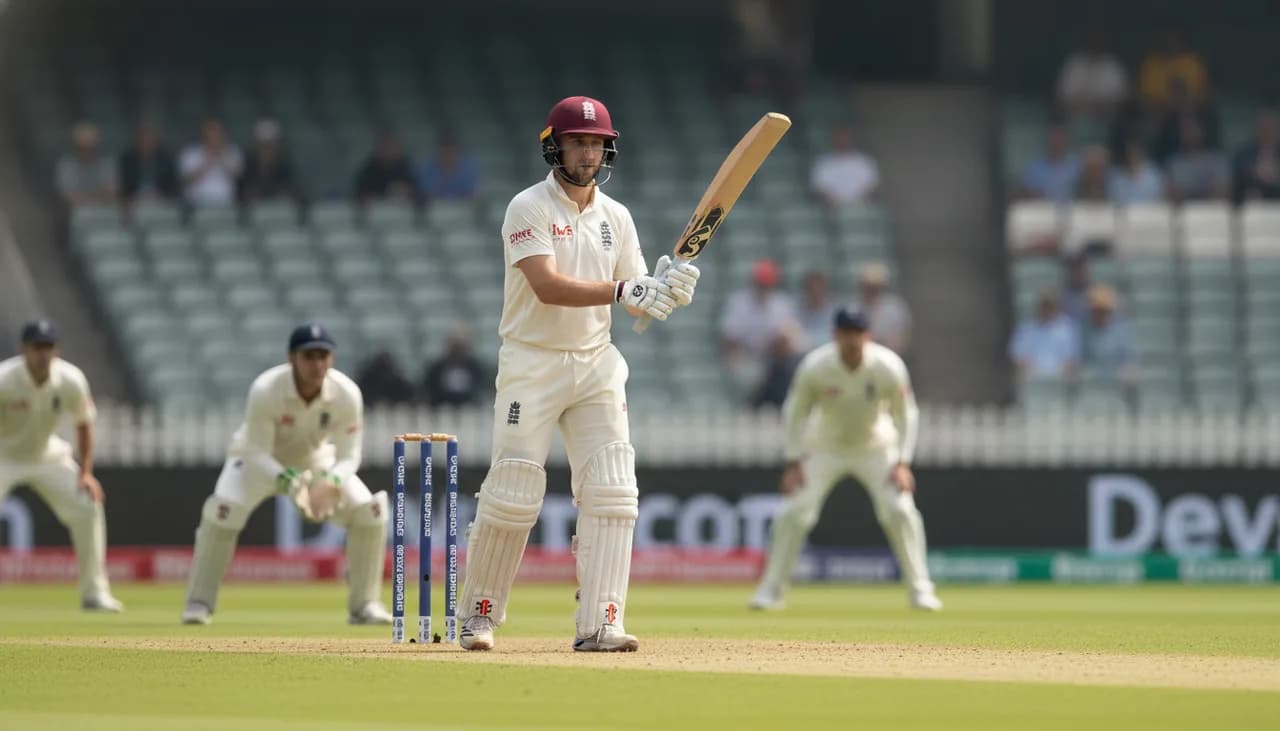
The flashpoint came in the 28th over of Pakistan's innings. Batting on 16, Agha pushed a delivery from Bangladesh captain Najmul Hossain Shanto towards cover and set off for a quick single. Non-striker Iftikhar Ahmed responded, but both batsmen found themselves at the striker's end as a direct hit from Towhid Hridoy smashed into the stumps.
The on-field umpires referred the decision to the third umpire. Replays showed that while Agha had grounded his bat, it appeared to bounce upwards just as the bails were dislodged. After several minutes of scrutiny from multiple angles, third umpire Sharfuddoula gave Agha out. The decision was met with clear disbelief from the Pakistani camp.
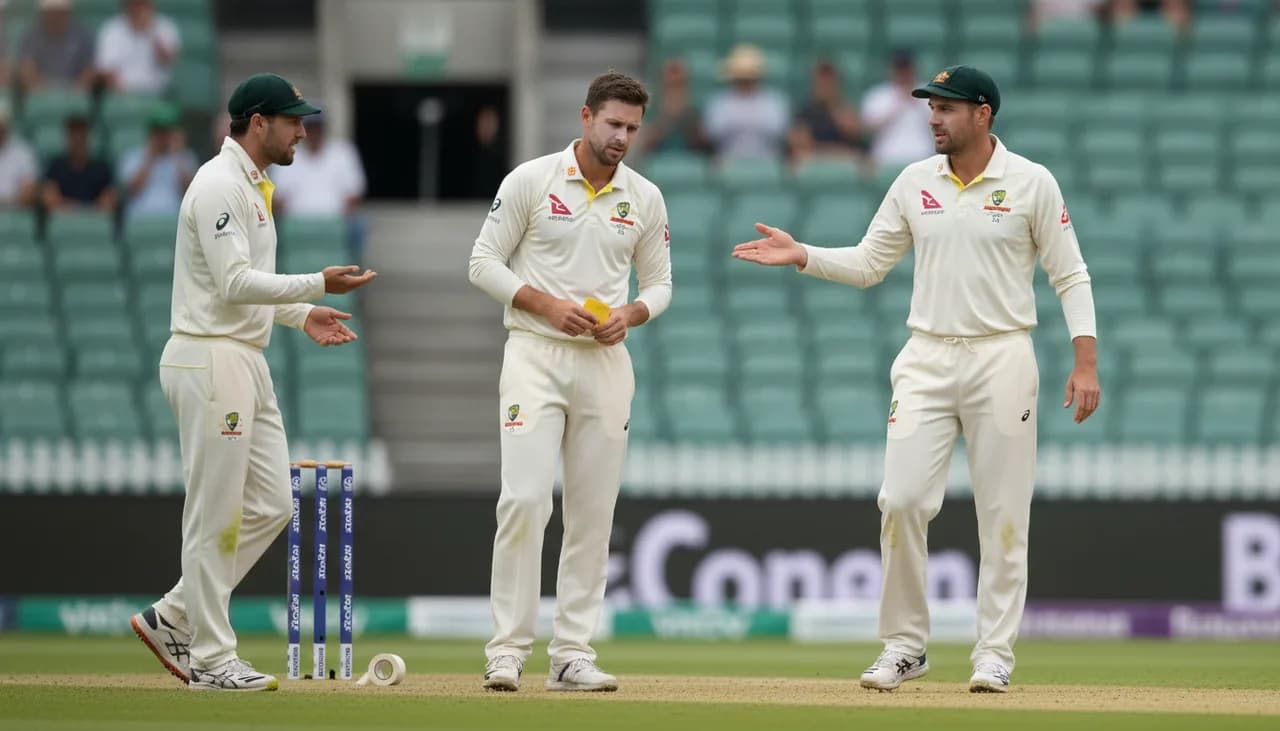
Salman Agha's reaction was immediate and visceral. He stood at the crease for an extended period, shaking his head in clear disagreement. As he walked off the field, he was seen engaging in a heated discussion with the on-field umpires, gesturing animatedly to suggest his bat was grounded. The television broadcast clearly captured his dissent, leaving little doubt about the nature of the offence.
The ICC's Ruling and the Broader Context
In its statement, the ICC noted that Agha admitted the offence and accepted the sanction proposed by match referee Neeyamur Rashid, avoiding the need for a formal hearing. A Level 1 breach carries a minimum penalty of an official reprimand and a maximum penalty of a 50% fine of the match fee, along with one or two demerit points.
This incident highlights the ICC's ongoing crackdown on player behaviour, particularly public dissent towards umpiring decisions. The use of technology, while designed to eliminate error, has sometimes heightened player frustration when marginal calls go against them. The key tenets of the code are clear:
- Accepting the umpire's decision as final, regardless of personal belief.
- Conducting dissent in a manner that does not provoke controversy or bring the game into disrepute.
- Setting a professional example for spectators and aspiring cricketers at all levels.
Former players and pundits were divided on the incident. Some, like ex-Pakistan fast bowler Waqar Younis on commentary, expressed sympathy for Agha's frustration, calling it a "razor-thin" decision. Others emphasized the non-negotiable nature of respecting the umpire's authority, even in the heat of a competitive match.
Reactions from the Camps and the Match Outcome
Pakistan captain Babar Azam, while diplomatically avoiding direct criticism of the decision in the post-match presentation, alluded to the moment's impact. "It was a crucial point in the game. Salman was building a partnership. These things happen, but the team showed character to recover," he stated.
Bangladesh skipper Najmul Hossain Shanto defended the process. "The third umpire has the best view. We trust the technology and the officials to make the right call. It was out, and that's what matters," he said in the post-match press conference.
Despite the setback, Pakistan comfortably chased down Bangladesh's total of 108 with more than 25 overs to spare, thanks to a dominant 65 from Fakhar Zaman. The series win provided a positive end to their tour, but the Agha incident became the primary talking point, overshadowing the clinical bowling performance from the Pakistani pacers that had set up the victory.
A Pattern of Player Dissent in Modern Cricket?
Salman Agha's reprimand is not an isolated event in recent months. The ICC has been consistent in penalizing players for overt shows of dissent, whether directed at on-field umpires or decisions made via the Decision Review System (DRS). This enforcement serves as a reminder that the "spirit of cricket" clause is actively monitored and that professional players are expected to maintain composure.
The incident also raises questions about the communication protocol between players and umpires regarding close calls. While players are entitled to ask for clarity, the line between seeking explanation and showing dissent is fine and often judged by the umpire's perception of the player's tone and body language.
Conclusion: A Lesson in Composure
While the run-out decision involving Salman Ali Agha will remain a subject of debate among fans—with video clips dissected endlessly on social media—the ICC's subsequent action sends a unambiguous message. In the modern game, where emotions run high and every run is precious, maintaining respect for the officials and the decision-making process remains paramount.
For Agha, the reprimand and solitary demerit point serve as a minor blemish on an otherwise successful tour, where he contributed with both bat and ball. The incident, however, will be catalogued as a learning moment, not just for him, but for all international cricketers navigating the high-pressure, technology-aided landscape of the contemporary sport, where controlling one's reaction is as important as controlling one's cover drive.