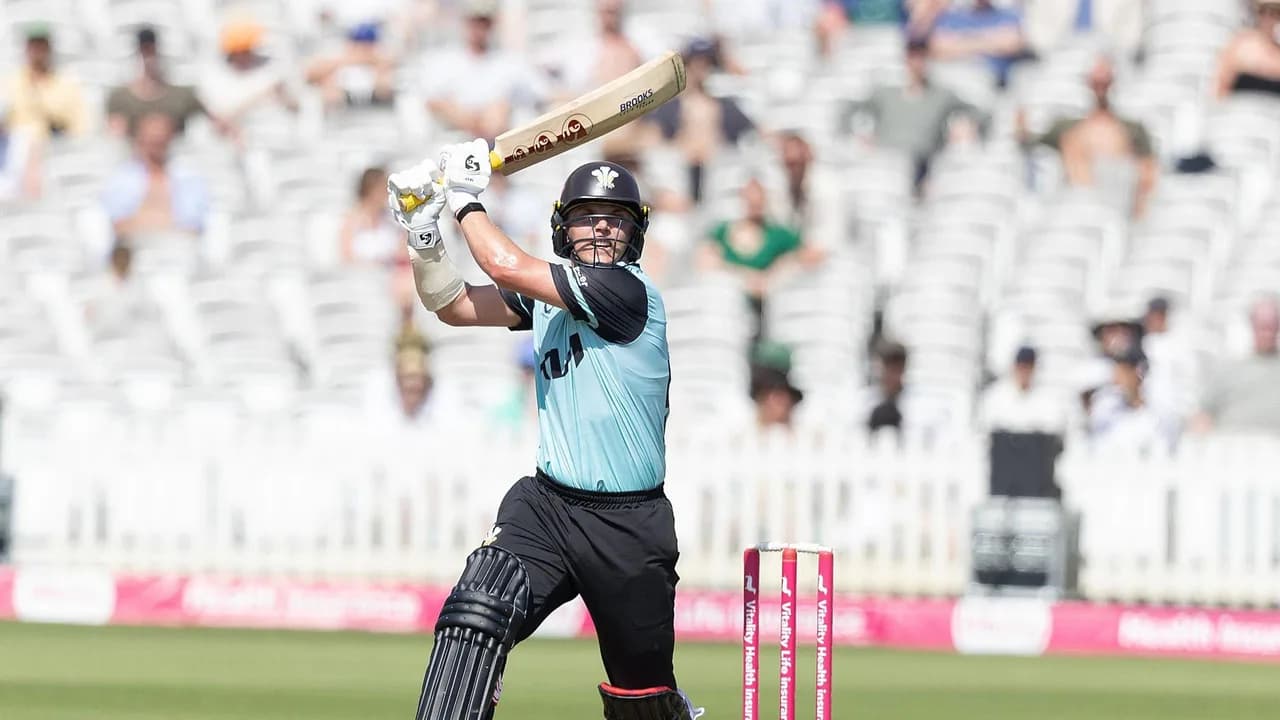
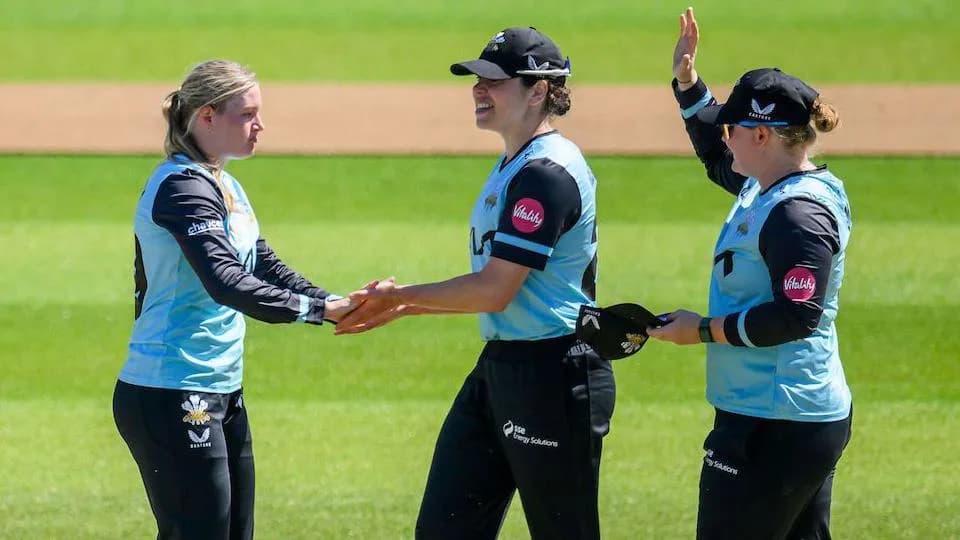
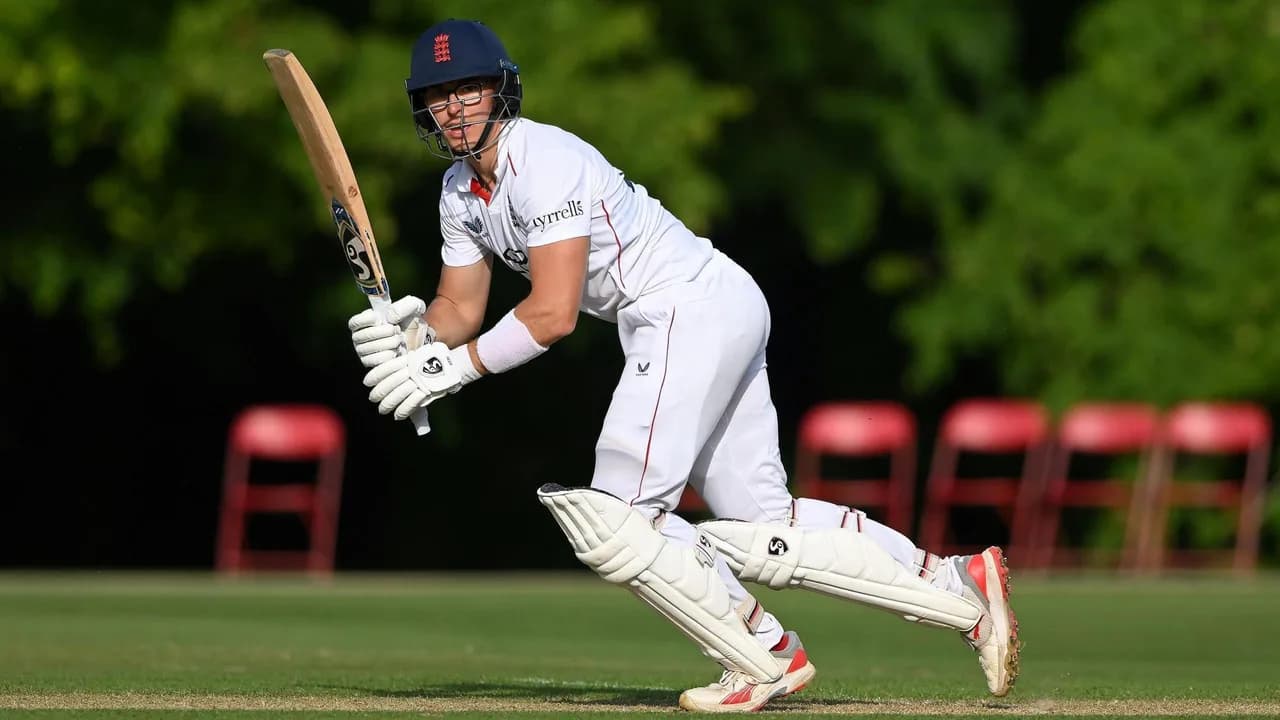
LAHORE — In a stark reflection of the geopolitical tensions gripping the region, the Pakistan Cricket Board (PCB) has announced that the upcoming season of the Pakistan Super League (PSL) will be held behind closed doors and consolidated to just two venues. This unprecedented decision is a direct consequence of a severe fuel and energy crisis in the country, a situation officials have explicitly linked to the ongoing conflict between the United States, Israel, and Iran in the Gulf.
The PCB’s emergency meeting concluded that the logistical and security challenges posed by the nationwide fuel shortage made the traditional multi-city, fan-attended tournament untenable. The league, a cornerstone of Pakistan's sporting calendar and a major economic driver, will now be staged entirely in Karachi and Lahore, with all matches played without spectators. PCB Chairman Mohsin Naqvi stated, "This was an immensely difficult but necessary decision to ensure the tournament proceeds without disruption."
The Geopolitical Spark to a Domestic Crisis
The fuel crisis crippling Pakistan's infrastructure stems from the dramatic escalation of hostilities in the Gulf. Following a series of tit-for-tat airstrikes between the US-Israel alliance and Iran, critical shipping routes through the Strait of Hormuz have experienced severe disruptions and increased insurance premiums. As a nation heavily reliant on imported fuel, Pakistan's supply chains have been strangled. The resulting scarcity has led to:
- Prolonged power outages across major cities, affecting stadium operations.
- Critical shortages of diesel and petrol, jeopardizing team travel, broadcast logistics, and generator fuel for venues.
- Skyrocketing costs for security and transportation, blowing the tournament's operational budget.
An official from Pakistan's Ministry of Energy, speaking on condition of anonymity, confirmed the link: "Our scheduled shipments are delayed or rerouted. The war risk premium alone has made imports prohibitively expensive. This is no longer an economic issue; it's a national security one."
Logistical Nightmare and the Two-Venue Solution
Faced with this reality, the PCB's logistics committee presented a grim assessment. Moving six teams, broadcast crews, and support staff between the usual four or five cities across Pakistan was deemed impossible with the current fuel rationing. The committee highlighted the risk of teams being stranded or matches being postponed due to the unavailability of aircraft or secure road convoy fuel.
Consolidating the event to the National Bank Stadium in Karachi and the Gaddafi Stadium in Lahore allows for a tightly controlled "bio-secure" environment, reminiscent of pandemic-era tournaments. This model drastically reduces the need for long-distance travel. All resources—fuel for generators, security personnel, and catering supplies—can be pooled and rationed for these two locations only.
The Financial Fallout
The decision, while pragmatic, carries a massive financial sting. The PSL derives a significant portion of its revenue from gate receipts, in-stadium merchandise, and ancillary city-based经济活动. Playing without fans eliminates this entirely. Franchise owners, while supportive of the decision to save the season, are bracing for heavy losses. A franchise director lamented, "Our sponsorship valuations are tied to fan engagement and stadium visibility. This is a huge blow, but the greater blow would have been canceling the league altogether."
Player Reactions and Security Concerns
The announcement has been met with a mix of understanding and disappointment from players, both local and international. Many expressed sympathy for the fans who will miss the electric atmosphere that defines the PSL. Veteran all-rounder Shoaib Malik tweeted, "The heart of PSL is its fans. To play without them is heartbreaking, but we understand the crisis. We will play for you on TV."
Security, always a paramount concern for cricket in Pakistan, has taken on a new dimension. Intelligence briefings suggest that the regional conflict could potentially inspire or enable hostile actors. Concentrating the event simplifies the security apparatus, allowing federal and provincial forces to focus their diminished fuel allocations on protecting two fortified zones instead of securing multiple travel routes across the country.
A Broader Symbolic Impact
Beyond cricket, the move is seen as a powerful symbol of how distant geopolitical conflicts can ripple into the cultural and social fabric of nations far from the front lines. The PSL is more than a tournament; it is a symbol of Pakistan's resurgence as a host of international sports and a source of national unity. Its contraction is a tangible indicator of national strain. Political analyst Dr. Ayesha Siddiqa noted, "When a premier sporting league must retreat into a bubble because of a war in another region, it tells you how deeply interconnected and vulnerable our global systems are. Pakistan's fuel crisis is a direct, non-combatant casualty of the Gulf conflict."
The PCB is now working frantically with broadcasters to enhance the at-home viewing experience, planning for virtual fan engagements, augmented reality crowds, and dedicated commentary to compensate for the lack of ambient stadium noise. The success of this digital pivot is now crucial for the league's financial viability this season.
Looking Ahead: A Precedent for Global Sport?
This season of the PSL may set a sobering precedent for how global sporting bodies navigate events amidst resource wars and geopolitical instability that disrupts essential logistics. Unlike a pandemic, which is a shared global health crisis, this situation stems from a specific political conflict with uneven impacts. The International Cricket Council (ICC) is monitoring the situation closely, as other nations in similar import-dependent positions could face analogous challenges for upcoming tournaments.
For now, the show will go on, but in a muted, utilitarian form. The stadiums in Karachi and Lahore will host the cricketing spectacle, their empty stands a silent testament to the far-reaching consequences of international conflict. The PCB has vowed to offer ticket holders from Rawalpindi and Multan, the omitted original venues, full refunds or credits for next season, a small consolation for the lost spectacle.
As the teams prepare to enter their biosecure hubs, the prevailing sentiment is one of resilience tinged with melancholy. The PSL 2024 will be remembered not for the roar of the crowd, but for the unsettling quiet that underscored its play—a vivid reminder that in an interconnected world, the pitch is never entirely isolated from the politics that shape it.