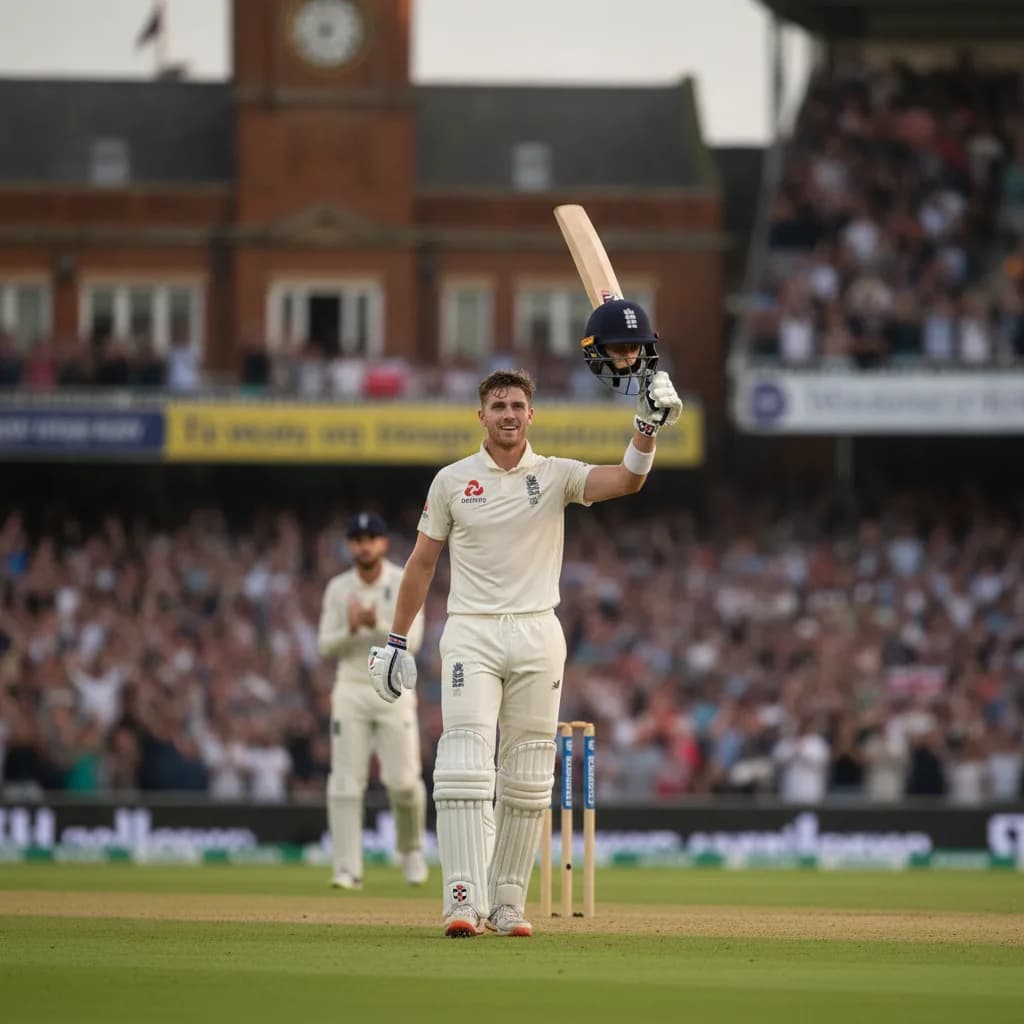

LONDON — In the wake of a chastening 4-1 Ashes defeat in Australia, England and Wales Cricket Board chief executive Richard Gould has emphatically backed head coach Brendon McCullum, stating that sacking the charismatic New Zealander would have been the "easy" option but the wrong one for the future of the Test team.
Speaking publicly for the first time since the conclusion of the tour down under, Gould dismissed any notion of a change in leadership, insisting that McCullum and captain Ben Stokes remain the perfect partnership to drive the 'Bazball' philosophy forward. He argued that the long-term vision, which has transformed England's fortunes and entertainment value since 2022, must not be derailed by a single series loss.
A Defeat with Context
The 2023-24 Ashes campaign saw England fight valiantly but ultimately fall short against a formidable Australian side on their home turf. Despite moments of brilliance and several positions of dominance, notably in the thrilling first Test at Edgbaston and the rain-affected draw at Old Trafford, Pat Cummins' men retained the urn. The final 4-1 scoreline, sealed with a comprehensive defeat in the fifth Test at The Oval, painted a harsh picture of the gap between the sides.
However, Gould urged observers to look beyond the raw numbers. He highlighted the transformative effect McCullum and Stokes have had since taking charge, pulling the Test team from a dire run of one win in 17 matches to a thrilling, aggressive brand of cricket that has captivated global audiences. Under their tenure, England had won 13 of their first 18 Tests before the Ashes, a remarkable turnaround.
"The easy thing to do would be to react to a defeat and make a change," Gould stated. "But if you've got a strategy and a plan, you need to give it time to bear fruit. We've got the right people in place."
Backing the Vision Unconditionally
Gould's comments represent a powerful vote of confidence from the ECB's highest executive level. He acknowledged the disappointment of the Ashes result but framed it as a setback within a larger, successful project. The chief executive pointed to the overwhelming positive response from players, fans, and broadcasters to England's new approach as evidence that they are on the correct path, even if it involves occasional high-risk, high-reward failures.
Key to this backing is the understanding that McCullum's role extends far beyond match tactics. His primary mandate, alongside Stokes, has been to rebuild the culture and mindset of the England Test dressing room—a task both the ECB and the players believe he has accomplished spectacularly. Gould emphasized that this cultural shift is a precious asset not to be discarded lightly.
"Brendon and Ben have transformed the way England play Test cricket. They have brought excitement and joy to millions of fans. The Ashes was a fiercely contested series, and while we didn't get the result we wanted, the manner in which the team played has only strengthened our belief in their approach," Gould elaborated.
Addressing the Areas for Improvement
While offering unwavering support, Gould did not shy away from the lessons that must be learned from the Australian tour. The Ashes exposed specific, recurring frailties that the management must address to convert thrilling cricket into consistent series victories against the world's best teams. The ECB chief acknowledged that the plan requires refinement, not revolution.
The main areas of focus identified from the Ashes defeat include:
- First-innings batting: England's habit of falling short of par scores in their first innings, often due to aggressive dismissals, repeatedly left them playing catch-up.
- Seam bowling depth: Injuries to key bowlers like Jofra Archer and the management of veterans James Anderson and Stuart Broad highlighted a need to develop a more robust and varied pace attack.
- Game management: Critical moments, particularly in the first Test at Edgbaston, raised questions about whether relentless aggression should occasionally be tempered with situational awareness.
Gould confirmed that McCullum, Stokes, and managing director Rob Key are already deep in analysis and planning for the next cycle. "The review process is ongoing, and it's a healthy one," he said. "We are all aligned on what needs to be better."
Looking Ahead: India and Beyond
The next major challenge for the McCullum-Stokes axis is a five-Test tour of India in early 2024—a task historically even more difficult for visiting English sides than an Ashes tour in Australia. Gould made it clear that the leadership team has the ECB's full backing heading into that formidable assignment. The focus, he reiterated, is on sustained progress and winning the hearts of the public, with the understanding that results will follow.
He also touched on the broader schedule, noting the importance of protecting players' well-being within a congested calendar to ensure the Test team receives the focus and freshness it requires. This holistic support, Gould argued, is crucial for the long-term success of the project McCullum is leading.
"We are building something special here. It's about more than one series. It's about restoring Test cricket to the heart of the English summer and playing a brand that inspires the next generation. Brendon McCullum is absolutely central to that mission," Gould concluded, putting to bed any speculation about the coach's future and setting a course of continuity and belief as England aim to climb the World Test Championship standings.