
The Art of Deception in Modern Cricket
In an era where batsmen are hitting harder and further than ever before, Sam Curran has discovered cricket's answer to brute force: the art of going impossibly slow. The England all-rounder's 'moon ball' delivery has become the talk of cricket circles, and its latest victim, Sri Lanka's Pathum Nissanka, learned the hard way why this ultra-slow variation is proving so effective in limited-overs cricket.
What Makes the Moon Ball So Deadly?
The moon ball represents a fascinating paradox in modern cricket – in a game increasingly dominated by pace and power, it's the absence of speed that proves most lethal. Curran's mastery lies in his ability to dramatically reduce his bowling speed from 83mph down to a pedestrian 43mph whilst maintaining almost identical body language and arm speed. This extreme variation creates a timing nightmare for batsmen who've spent years honing their reactions to conventional pace bowling.
Speaking on the BBC's For The Love of Cricket podcast with Stuart Broad, Curran explained his approach: "You have to be creative, guys are developing so fast. I've worked so hard on trying to keep the arm speed the same and then I've got better at landing the ball at the right length." This technical precision has transformed what might seem like a novelty delivery into a genuine wicket-taking weapon.
Technical Breakdown of the Delivery
Former England fast bowler Steve Harmison, who famously employed similar tactics during the 2005 Ashes series with a 65mph slow yorker that bamboozled Michael Clarke, has analysed the mechanics behind Curran's success. The key lies in the grip and release point – Curran holds the ball between his first finger and thumb, releasing it much further back in his action whilst maintaining the illusion of his regular bowling motion.
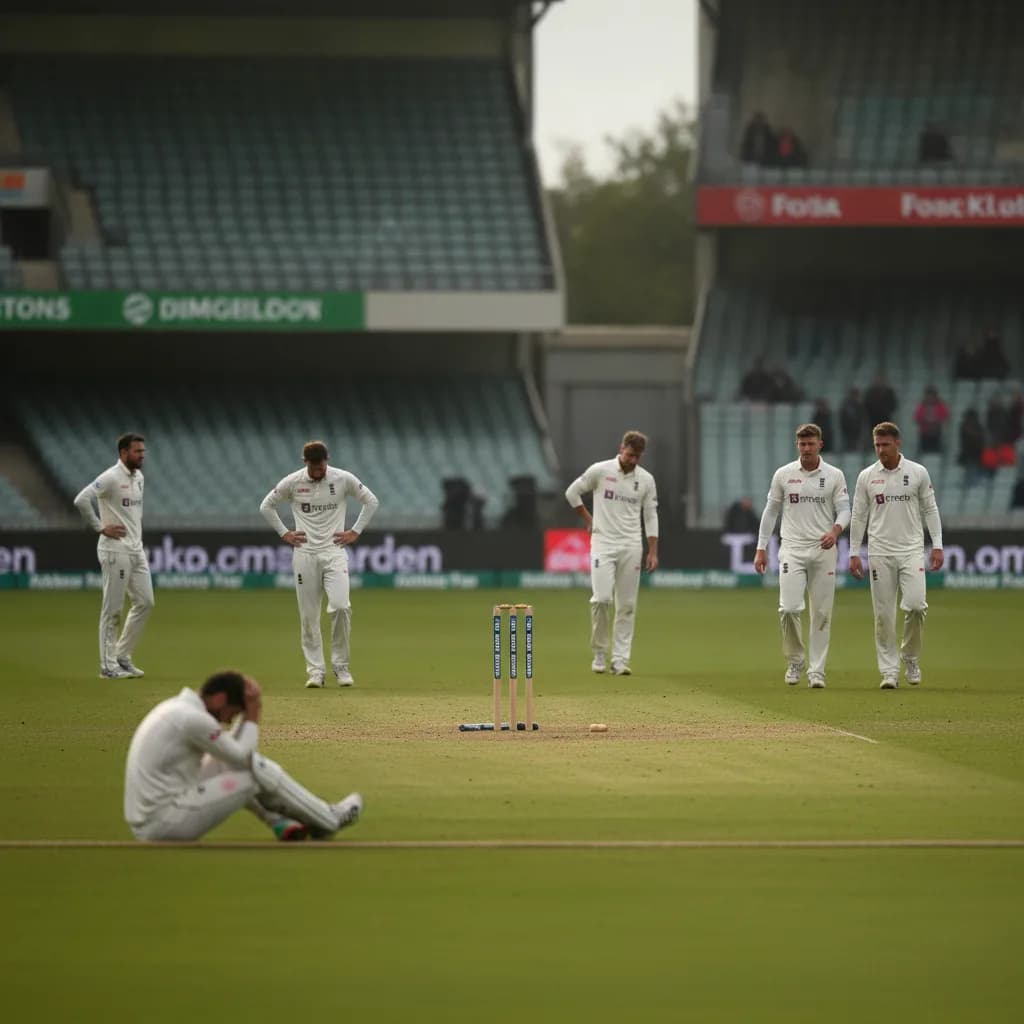
The effectiveness was perfectly illustrated during England's recent 19-run defeat to Sri Lanka, where Nissanka fell victim to the delivery. The moon ball that dismissed him was actually slower than spinner Rehan Ahmed's previous six deliveries, highlighting just how dramatically Curran can alter his pace whilst disguising his intentions.
The Broader Impact on Cricket Strategy
Curran's success with this variation reflects cricket's constant evolution in response to changing dynamics. As T20 leagues proliferate and batting becomes increasingly aggressive, bowlers are forced to innovate beyond traditional slower balls and yorkers. The moon ball, traditionally associated with spinners like former England off-spinner Jeremy Snape, is now being adopted by seam bowlers seeking new ways to outwit modern batsmen.
From a betting perspective, Curran's unpredictability with this delivery makes him an intriguing proposition in player performance markets, particularly in shorter formats where such variations can prove decisive. His ability to take wickets through pure deception rather than pace adds another dimension to England's bowling attack and could influence match odds when conditions favour slower bowling.
The moon ball's emergence as a legitimate weapon demonstrates cricket's beautiful complexity – sometimes the most effective response to advancing batting techniques isn't to bowl faster or harder, but to embrace the lost art of flight and guile.