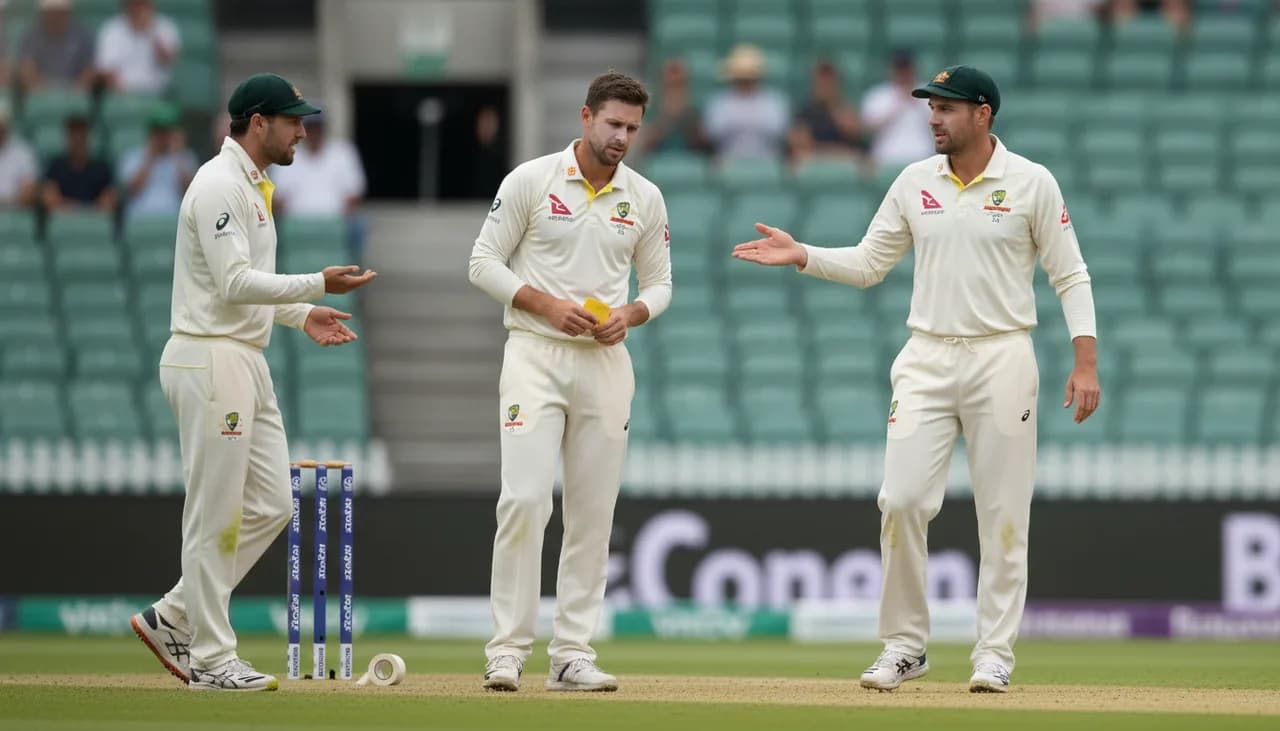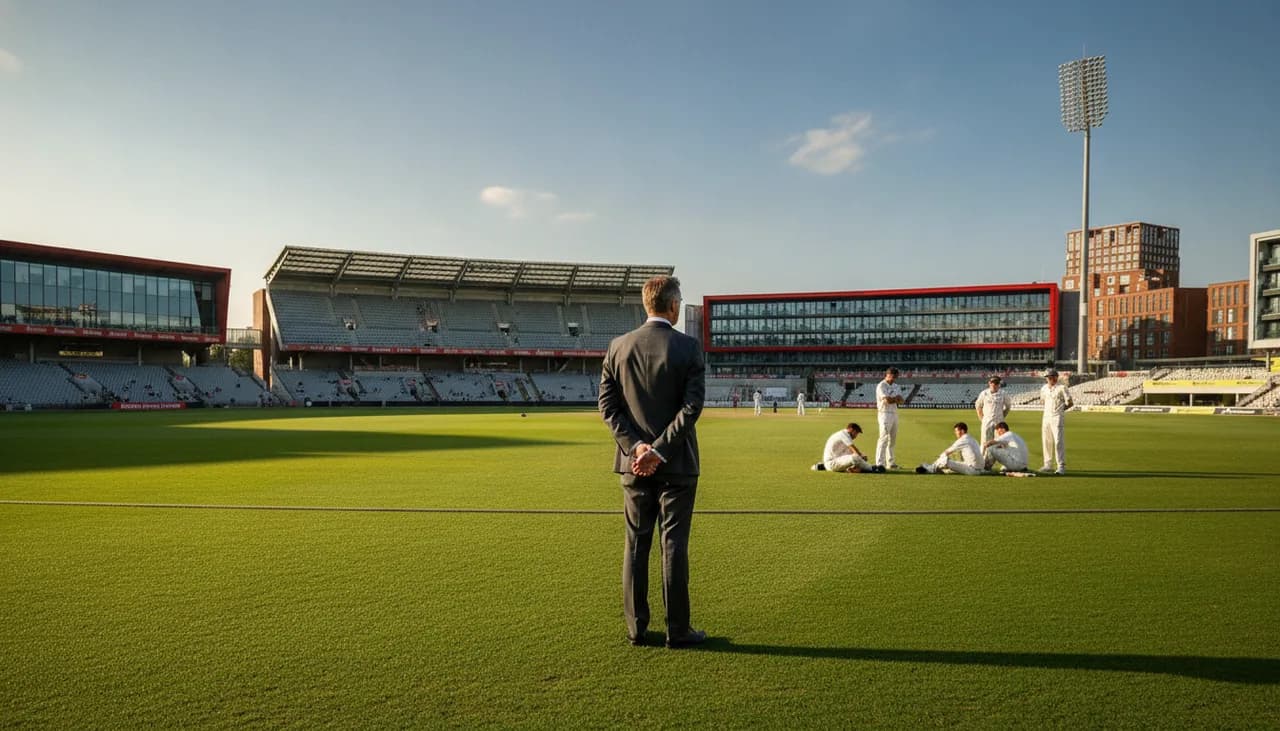
The 1962-63 Ashes series stands as a unique, sepia-toned bookmark in cricketing history. It was the last time an England touring party made the long journey to Australia by sea, a six-week voyage that was as much a social expedition as a sporting one. The era of chartered jets and high-performance camps was still on the horizon; this was a world of deck quoits, five-course dinners, and the peculiar challenge of finding your “sea legs” before your bowling run-up.
Led by the amiable Ted Dexter, a squad of 17 players, accompanied by managers, selectors, and wives, embarked from Tilbury Docks in September 1962 aboard the SS Canberra. The voyage was not merely transport; it was an integral part of the tour's character. For the younger players, it was an adventure. For the senior pros, it was a familiar, if lengthy, ritual. The days were structured around training, but a training unlike any known today.
A Floating World of Luxury and Laps
Life aboard the Canberra was one of enforced leisure and peculiar physical challenges. The players were expected to maintain fitness, but the methods were ad-hoc. Jogging consisted of circuits around the deck, a pursuit that famously did not sit well with everyone. Fred Trueman, the formidable Yorkshire fast bowler, saw little sense in it. He reportedly told the management, “I’m here to get wickets, not run a bloody marathon.”
The ship's facilities, while luxurious for passengers, were comically inadequate for professional athletes. The nets pitched on deck were a hazardous proposition, with the roll of the ship turning a perfectly good delivery into a beamer. As bowler David Larter, a 6ft 8in fast bowler, later recalled, “The nets were hopeless. You'd be halfway through your run-up and the ship would lurch. Sea legs meant I couldn't bowl.”
Yet, the voyage was not without its benefits. It forced the squad to bond in a way a short flight never could. The tour manager, the Duke of Norfolk, a figure straight from a bygone age of amateurism, presided over proceedings with aristocratic ease. He ensured standards were maintained, even in the middle of the Indian Ocean. The days were punctuated by excellent food and formal dinners, a world away from the spartan regimes of modern sport.
Key aspects of the sea voyage included:
- Prolonged Acclimatisation: The six-week journey allowed players to gradually adapt to warmer climates.
- Team Cohesion: The extended time together built unique camaraderie and team spirit.
- Injury Recovery: For players carrying niggles, it provided a forced period of rest.
The Duke, The Dinners, and The Deck Games
The presence of Bernard Marmaduke Fitzalan-Howard, the 16th Duke of Norfolk, as tour manager, added a layer of surreal pageantry. As England’s hereditary Earl Marshal, he was responsible for organising state occasions like coronations, yet here he was managing Fred Trueman’s mood swings. He was a popular figure, treating the players as gentlemen and equals, often holding court in the ship’s bar.
The food was a recurring theme in players' memoirs. This was not the era of personalised nutrition plans. It was a time of hearty, multi-course meals. “The food was wonderful,” remembered batsman John Edrich. “We ate like kings. Five-course dinners every night. It was a different world. You’d try to keep fit, but it was difficult with that sort of catering.” The days were filled with deck sports, card games, and gossip, creating a bubble of English society slowly drifting towards the Southern Hemisphere.
Arrival and a Brutal Awakening
The idyllic journey, however, ended with a brutal sporting reality. After docking in Perth, England had little time to adjust from the gentle rhythms of ship life to the ferocious pace of Australian cricket. They were thrown straight into a match against a Western Australia team containing a young, blisteringly fast bowler named Graham McKenzie. The result was a rude awakening.
The lack of proper, land-based practice was immediately exposed. The batsmen, their timing skewed by weeks without a stable platform, were easy prey. They were dismissed for a paltry 193 and lost the match by 9 wickets. The tour had barely begun, and the warning had been served: Australian cricket would not wait for England to find their land legs.
The series itself would become one of the most memorable of all time, culminating in a dramatic, nail-biting draw at the Sydney Cricket Ground. Key moments that defined the tour included:
- The Stunning Start: The early loss to Western Australia setting a tough tone.
- The Brisbane Tied Test: The first-ever tied Test in Ashes history, a match of unbelievable tension.
The End of an Era
When the Canberra eventually sailed back to England in March 1963, it marked the end of a chapter. The following Ashes tour down under, in 1965-66, would be undertaken by air. The age of the long sea voyage, with all its quirks, its camaraderie, its five-course dinners and its impossible net sessions, was over. The 1962-63 tour was the last of its kind, a final, glorious echo of a more leisurely and eccentric era in sport, where the journey itself was as much a part of the story as the matches played at its destination.
It was a tour defined not just by the legendary cricket played, but by the unique experience that preceded it. The image of Fred Trueman refusing to run laps, of Ted Dexter chatting with the Duke of Norfolk on deck, and of David Larter trying to bowl on a lurching ship, are frozen in time. They are the indelible memories of the last time England went to war in Australia by boat.