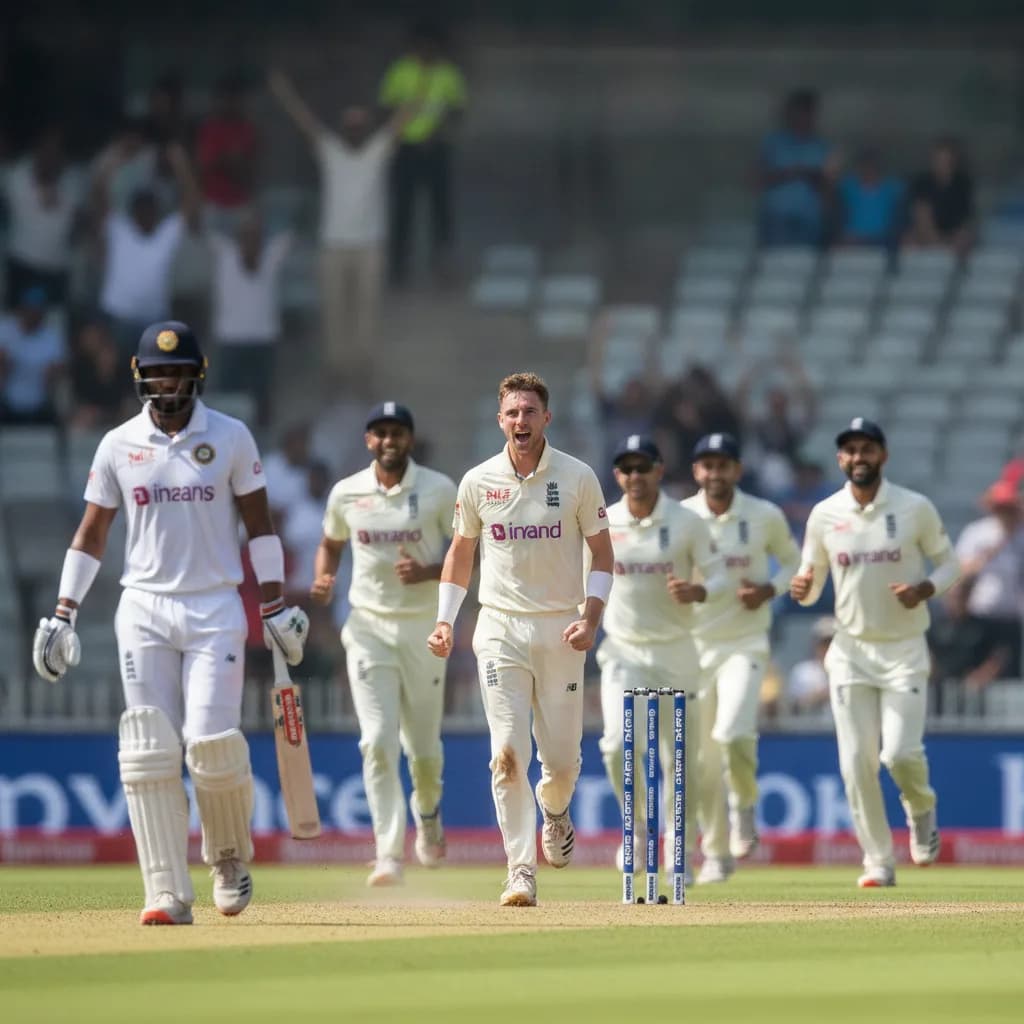
English cricket finds itself nursing another self-inflicted wound as captain Ben Stokes becomes embroiled in yet another alcohol-related controversy. The Durham all-rounder's involvement in a London nightclub incident with Gus Atkinson represents far more than an isolated lapse of judgement - it's symptomatic of a deeply troubling pattern that threatens to undermine everything England have built under his leadership.
A Captain's Responsibility Under Scrutiny
When Stokes accepted the England captaincy in 2022, he inherited not just tactical decisions but the responsibility of setting cultural standards. His latest transgression - breaching the team curfew put in place specifically after the Ashes drinking incidents - represents a fundamental failure of leadership at the worst possible moment. Having navigated the Australian tour without controversy, despite admitting it was his most challenging period as captain, this regression is particularly damaging. The timing couldn't be worse either, coming immediately after what should have been a momentum-building victory over New Zealand at Lord's.
The Mounting Evidence of Cultural Problems
The statistics paint a damning picture of England's recent disciplinary record. Six players from the Lord's Test squad have now been involved in late-night drinking controversies within the past nine months. Harry Brook's altercation with a bouncer in Wellington, witnessed by Jacob Bethell and Josh Tongue, was followed by Ben Duckett's public intoxication in Noosa being filmed and shared on social media. This latest episode involving both the captain and a key fast bowler suggests the problem runs deeper than individual poor choices. The pattern indicates a systematic cultural issue that director of cricket Rob Key and head coach Brendon McCullum can no longer dismiss as coincidental.
Leadership Questions Mount
Stokes' position as captain must now be under serious review, particularly given the circumstances surrounding this incident. At 33 years old, he should be setting the standard for younger players, not leading them astray. The introduction of a team curfew following the Ashes troubles was a clear directive that all players understood. For the captain to be the one breaking these rules sends entirely the wrong message to both his team-mates and the wider cricketing public. The incident has already shifted speculation about potential leadership changes, with bookmakers now offering odds on Stokes retaining the captaincy through to the next Ashes series.
The Road to Redemption
England's hierarchy faces difficult decisions in the coming weeks. The ECB's investigation will determine the immediate consequences, but the broader questions about team culture require more fundamental solutions. McCullum's relaxed approach to player management has yielded impressive on-field results through the 'Bazball' philosophy, but off-field discipline appears to have suffered. The challenge now is maintaining the positive aspects of their aggressive cricket whilst establishing boundaries that prevent further embarrassment. With the next Ashes series approaching, England cannot afford more distractions from their primary objective of regaining the urn. Whether Stokes remains the man to lead that charge may well depend on how convincingly he can demonstrate genuine change rather than mere contrition.