A Farewell That Caught the Attention of Cricket's Governing Body
Ben Stokes may have hung up his international boots, but it appears the manner in which he did so has left administrators scrambling. The International Cricket Council has written to the England and Wales Cricket Board raising concerns over a potential breach of regulations, all stemming from the way news of Stokes' retirement was shared with the world during the third Test against New Zealand at Trent Bridge. Stokes, never one to shy away from a moment, responded to the story on X with a typically tongue-in-cheek caption: "Sack him." Whether you find that funny or frustrating probably says a lot about how you feel about cricket's ever-expanding rulebook.
What Actually Happened — and Why the ICC Took Notice
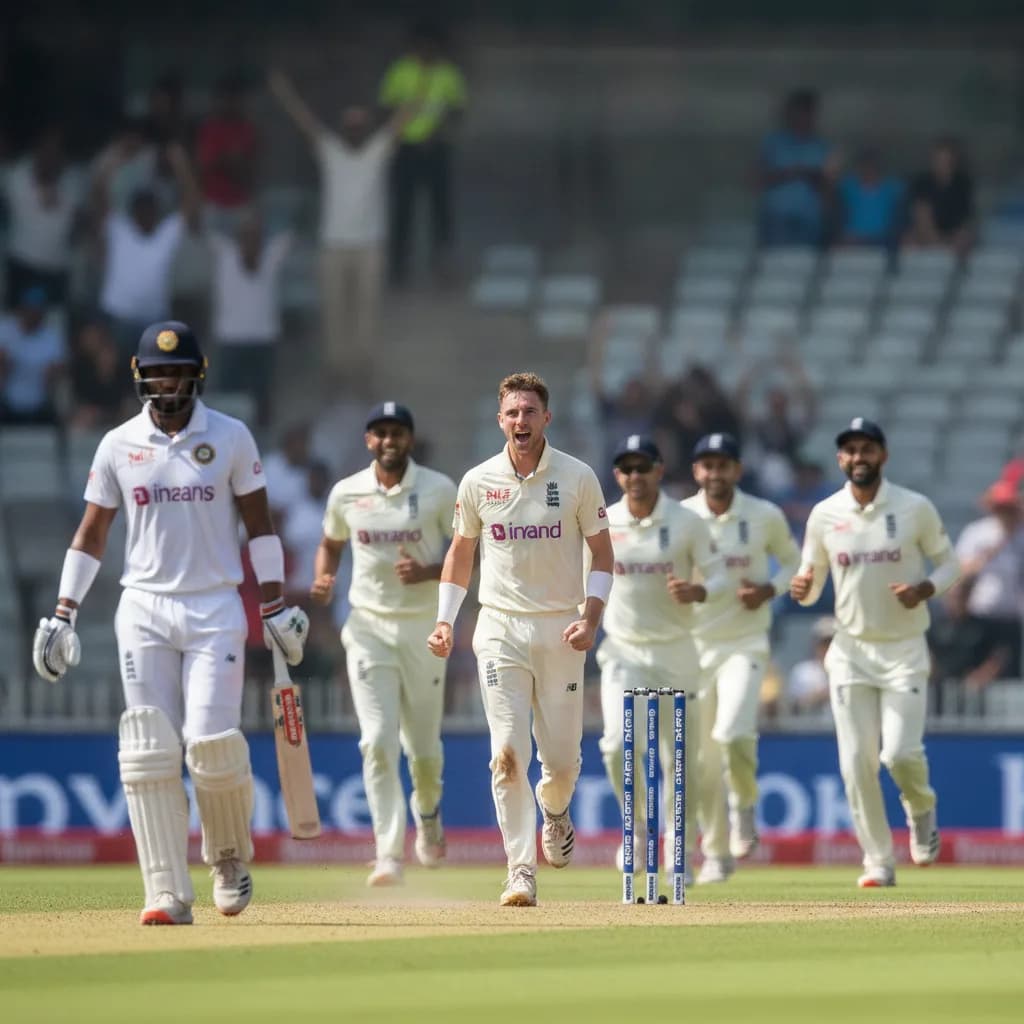
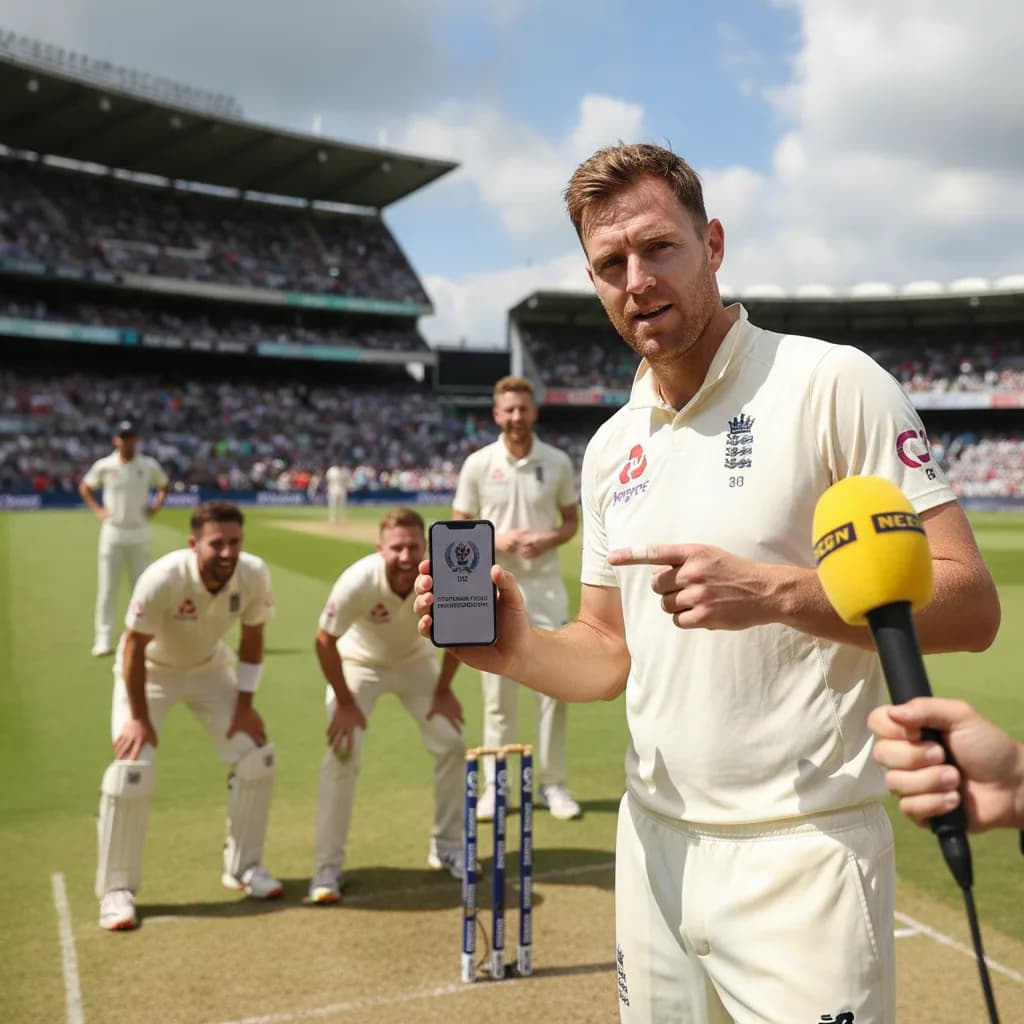
The sequence of events is fairly straightforward. On the fourth day of the Test, the 35-year-old addressed his England team-mates in the dressing room before the day's play got underway, informing them that this would be his final match in an England shirt. That address was filmed. The footage, complete with audio, was then distributed to broadcasters and posted across social media at around 15:25 BST — slap in the middle of the afternoon session and well before the match itself had reached its conclusion.
That timing is precisely what has drawn the ICC's scrutiny. The governing body's Player and Match Officials' Area (PMOA) standards include a specific provision — Article 2.2.11 — which states that national cricket boards must ensure no recording equipment is set up within dressing rooms for the purpose of broadcasting video or audio footage. Beyond that written standard, the ICC had also previously communicated to the ECB that any footage captured within a PMOA must not include audio, and must not be published until after the match has finished. On both counts, the ECB appears to have fallen short.
Stokes' Agents and the ECB Were Behind the Plan
Speaking at the end of play on that fourth day, Stokes was candid about the fact that the timing and logistics of the announcement were not entirely his doing. He explained that he had essentially handed the decision over to the ECB and his own management team — agents Michael Lumb and Neil Fairbrother — telling them to come up with a plan between themselves. It is a reminder that even the most personal moments in sport often involve a small army of people operating behind the scenes, and in this case, those decisions appear to have inadvertently put the ECB on the wrong side of ICC regulations.
What Happens Next — and Does It Really Matter?
In practical terms, it is difficult to imagine this developing into anything particularly serious. Fines or formal warnings are the most likely outcomes if the ICC pursues the matter further, and from a purely cricketing perspective, Stokes has already announced his retirement — there is no competitive consequence hanging in the balance. From a betting standpoint, it is worth noting that England's next Test outright odds will be shaped far more significantly by who replaces Stokes in the lineup than by any administrative dispute in the corridors of Lord's.
Still, the episode does raise a broader point about how cricket manages player retirements and the media rights that surround them. As the sport continues to grow its commercial footprint, moments like these will become increasingly difficult to contain within regulatory frameworks designed for a different era. For now, at least, Stokes seems entirely unbothered — and given everything he has given to English cricket, it is hard to begrudge him a wry smile on his way out the door.