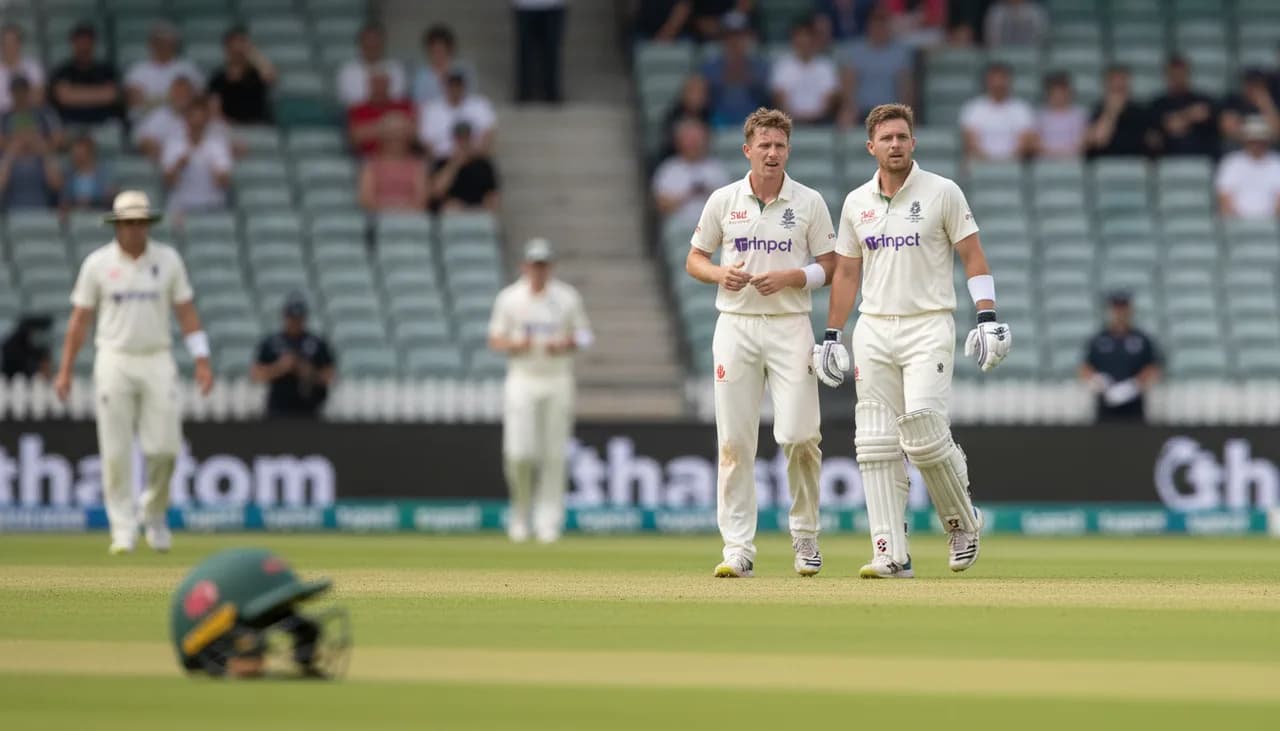
The End of an Era at Trent Bridge
Sometimes in cricket, the most seismic announcements arrive not with a press conference or a carefully worded statement, but quietly — almost without warning — in the middle of a Test match. That is exactly what happened on the fourth day at Trent Bridge, when Ben Stokes confirmed to the world that England's decider against New Zealand would be his final appearance in international colours. Come Monday, the curtain will fall on one of the most remarkable careers English cricket has ever witnessed.
Fifteen years. One hundred and twenty-two Tests. One hundred and fourteen one-day internationals. Forty-three T20s. The numbers alone tell a formidable story, but they barely scratch the surface of what Stokes has meant to this England side and to the broader game. As someone who has spent years coaching and analysing cricketers at various levels, I can say with some confidence that players like Stokes come along perhaps once in a generation.
Burnout, Not Just Controversy
It would be easy — and lazy — to tie this retirement solely to the controversy that saw Stokes made unavailable for England's second Test against New Zealand following an incident at a London nightclub. Stokes himself was keen to push back against that narrative, and I think we should take him at his word.
Speaking to Sky Sports, the 35-year-old was candid about his mental and physical state. "I'd worked so hard since getting home to put things right, or at least that's what I thought I was doing. I put so much time and effort into doing that and I just burned myself out," he admitted. That is a telling phrase — burnout. It is something coaches and support staff often miss because high-performers are so adept at masking it.
Stokes revealed he had first considered retiring as far back as England's 4-1 Ashes defeat in Australia, with those thoughts resurfacing during the Lord's Test earlier this summer. The nightclub episode, he acknowledged, "added" to those feelings rather than triggering them outright.
A Decision Rooted in Self-Awareness
What strikes me most about Stokes' announcement is the clarity behind it. "It might sound quite selfish but this decision is genuinely the best thing for me right now," he told Sky Sports, adding that he hoped it would also allow him to continue loving the game that had given him so much. That is not selfishness — that is self-awareness, and it is something elite sport desperately needs more of.
There was clearly a moment of reckoning during the Lord's Test — he described sitting alongside Joe Root in the dressing room as one of the pivotal scenes in his thinking. Whether that conversation was the tipping point or simply confirmed what he already knew, only Stokes can say.
For those with an interest in the markets, England's chances of completing a series win — already under pressure heading into this deciding match — will inevitably shift with the emotional weight of this farewell, and bookmakers have already adjusted the outright series odds accordingly as attention turns to what happens after Monday.
What Comes Next for England?
The question facing England now is a daunting one. Stokes has been the heartbeat of this side — not just as a cricketer, but as a symbol of intent and character under the Bazball era. Replacing him in terms of raw output is hard enough. Replacing what he represents to teammates and supporters is something else entirely.
He signs off as one of England's greatest ever. That much is beyond debate. The legacy he leaves — particularly the 2019 World Cup final and Headingley 2019 — will be discussed for decades. Trent Bridge will now be added to that list. Farewell, Ben. What a ride it has been.