A Bombshell Nobody Saw Coming
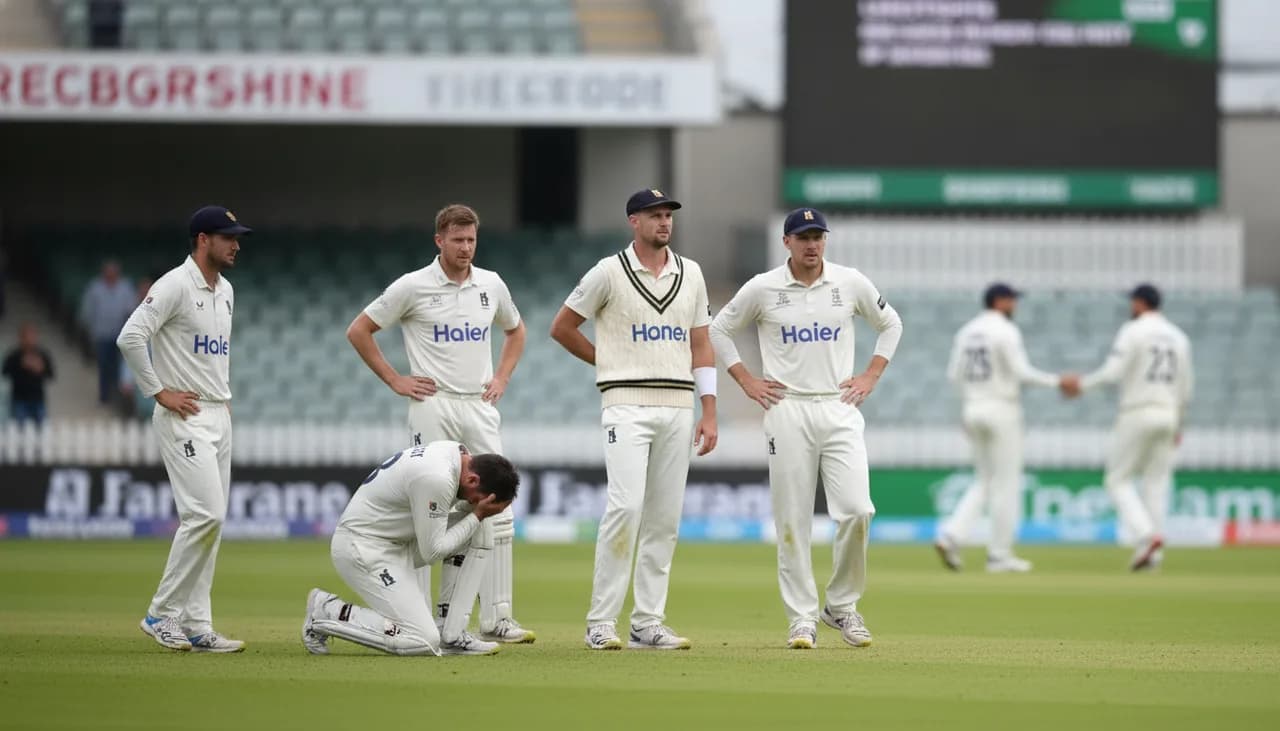
Even by Ben Stokes' standards, this one came out of left field. Announcing his retirement from international cricket in the middle of a Test match, with a live series hanging in the balance, is not something anyone in the game had pencilled into their diary. Yet that is precisely what happened during the third Test against New Zealand, and the shockwaves are still reverberating around English cricket. As a former coach who has watched this man transform Test cricket in England, I'll be honest — I did not see this coming, and I suspect very few people genuinely did.
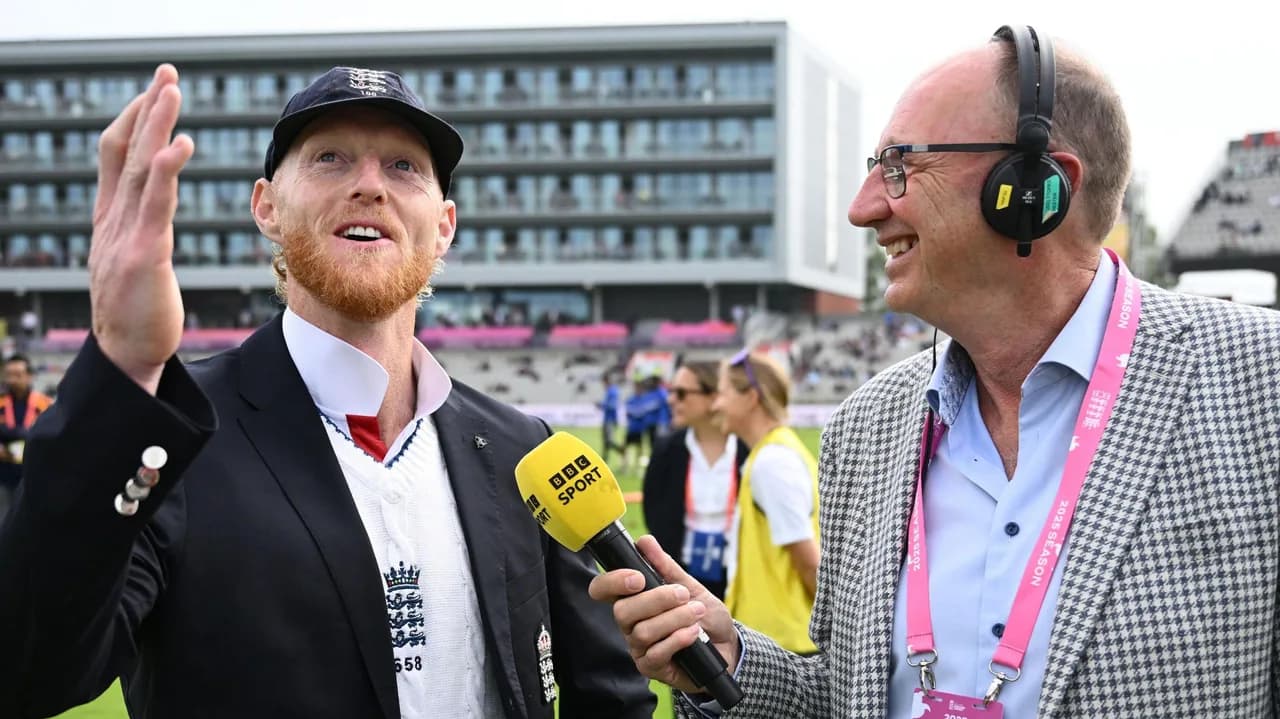
Jonathan Agnew, the BBC's chief cricket correspondent, put it well when he noted that Stokes has never been a conventional figure, so perhaps it should come as no surprise that his exit follows the same pattern. That framing is accurate, but it does not make the timing any less jarring for everyone connected with the England set-up.
The Questions That Remain Unanswered
What makes this situation particularly difficult to process is how little we actually know about the background to the decision. Stokes was absent from the second Test at The Oval, and speculation about his future had been bubbling since then. Yet the consensus among most observers was that the captaincy, at least, was safe. He appeared to be the most secure figure in an England dressing room that has faced scrutiny from multiple directions this summer.
A London nightclub incident had already cast a shadow over the squad's off-field conduct, and when Stokes was asked directly whether he felt adequately backed by the England and Wales Cricket Board in the aftermath, he declined to answer. That silence speaks volumes. Whether he elaborates at his final press conference remains to be seen, but supporters and analysts alike deserve some clarity on what has driven one of England's finest Test captains to this point.
The Ashes Dream Left Behind
There is a deeply poignant dimension to this retirement that cannot be ignored. Most people in English cricket assumed Stokes would lead the side to Australia next summer with a genuine shot at winning the Ashes on home soil. That ambition now belongs to someone else. As Agnew observed, there may be a moment next winter when Stokes watches from the sofa and allows himself to wonder what might have been. For a competitor of his intensity, that could prove harder to sit with than any on-field setback.
From a broader cricketing perspective, England's outright series odds against New Zealand will now shift significantly, with the leadership vacuum adding genuine uncertainty ahead of the decider. Whoever steps in carries not just the tactical burden, but the psychological weight of filling an enormous void at short notice.
What Now for English Cricket's Leadership?
The futures of director of cricket Rob Key and head coach Brendon McCullum are now back under the microscope. Before this series began, Stokes looked the most secure of the three. The planned reset that this summer was supposed to deliver has not materialised — discipline issues and inconsistent performances have seen to that. Both Key and McCullum face serious questions about their own positions.
English cricket is at a crossroads. Stokes built something remarkable with Bazball, dragging Test cricket into a more vibrant, attacking era. The challenge now is ensuring that legacy survives his departure. Whoever takes the armband must be bold enough to honour that philosophy while steering the ship through some very choppy waters ahead.