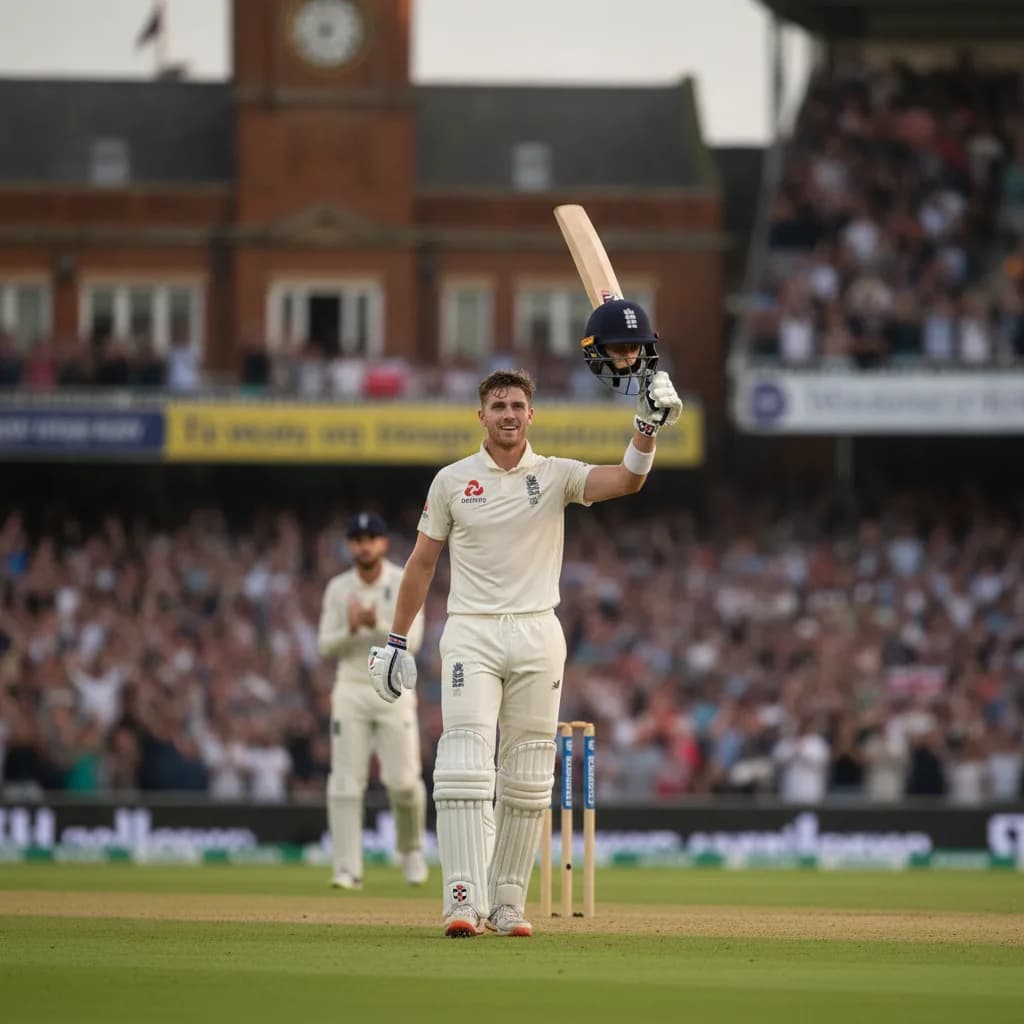
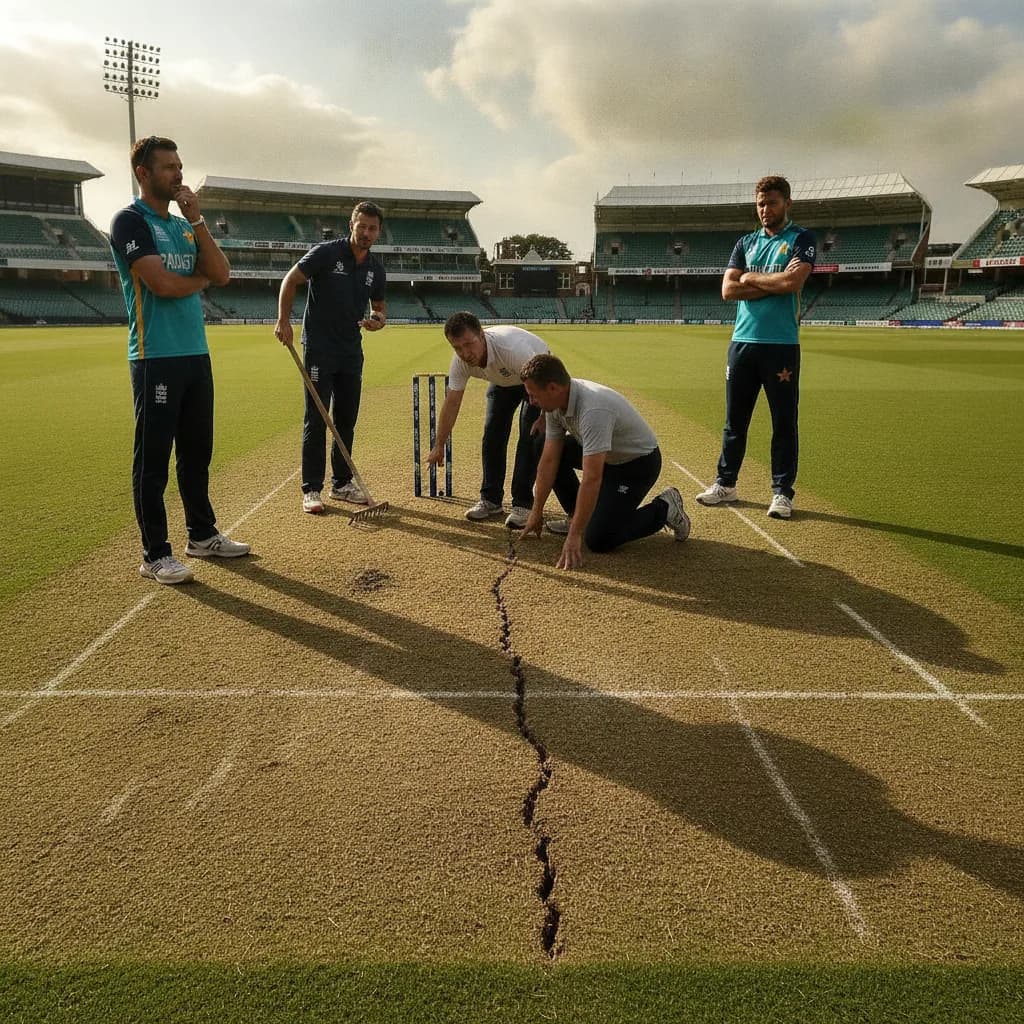
HOVE — The future of Sussex County Cricket Club, one of England's most storied and successful counties, has been plunged into uncertainty by a severe financial crisis. In a stark and emotional address to members at the club's Annual General Meeting, Head Coach Paul Farbrace revealed that his own position, alongside those of his playing squad, is now under threat due to the precarious state of the club's finances.
Farbrace, who returned to his boyhood club in 2022 with a mandate to rebuild, delivered the sobering news that cost-cutting measures are inevitable. "We are in a position where we have to make savings," he stated bluntly. "That will be right across the club. That will be with the playing staff, with the coaching staff, and with every other department." The admission has sent shockwaves through the Sussex community, raising profound questions about the club's ability to compete at the highest level.
A Perfect Storm of Financial Pressures
The crisis at Sussex is not an isolated incident but the result of a confluence of economic factors battering the domestic game. While the club has recently celebrated on-field success, including the men's team's promotion to Division One of the County Championship and the continued excellence of the women's side, these sporting achievements have occurred against a backdrop of mounting debt and operational strain. Key pressures include:
- Inflation and Rising Costs: The cost of maintaining the 1st Central County Ground, funding extensive travel for four competitions, and covering general operational expenses has skyrocketed.
- Stagnant Central Funding: The annual allocation from the England and Wales Cricket Board (ECB), while vital, has not kept pace with inflation, squeezing county budgets.
- Commercial Challenges: Securing and retaining major sponsors in a competitive market remains a constant battle, with some long-standing partnerships coming to an end.
- Infrastructure Debt: Like several counties, Sussex carries historical debt related to ground redevelopment, a financial millstone that limits current flexibility.
This perfect storm has left the executive board with few palatable options. Chairman Jon Filby and Chief Executive Rob Andrew have been tasked with navigating the club through what they describe as its most challenging period in recent memory.
Farbrace's Candid Warning to Members
The most dramatic moment of the AGM came from Farbrace, whose emotional connection to the club made his words particularly powerful. He directly linked the financial situation to job security, leaving little room for ambiguity. "My future is uncertain, the players' future is uncertain," he told the assembled members. This frank assessment underscores that the required "savings" are not merely administrative but will cut to the core of the cricket department.
Farbrace elaborated on the human impact, highlighting the anxiety now permeating the squad. "We've got players out of contract at the end of this year, and we're not in a position to offer them anything because we don't know what budget we've got," he explained. This state of limbo is destabilising for a team aiming to establish itself in the top division and could lead to an exodus of talent, undoing years of careful development.
The Spectre of Player Exodus
The immediate concern is the retention of a talented young squad. Players like England Lions seamer Ari Karvelas, top-order batter Tom Clark, and promising all-rounder James Coles are among those whose contracts expire this autumn. In a normal year, discussions about extensions would already be underway. Now, these players are left in professional purgatory, potentially making them vulnerable to approaches from wealthier counties. Losing such key pillars would be a devastating blow to Farbrace's project and the club's short-term competitiveness.
The Search for Solutions and a Sustainable Future
In response to the crisis, the club's leadership has launched a major strategic review. The goal is not merely to balance the books for 2024 but to establish a sustainable financial model for the long term. This process is likely to involve difficult conversations in several areas:
- Staffing Restructure: Redundancies across cricket and non-cricket departments appear almost certain.
- Squad Size and Composition: A smaller, potentially younger squad, with a greater reliance on the academy, is a possible outcome.
- Commercial Innovation: Maximizing revenue from the Hove ground through concerts, events, and improved hospitality is a priority.
- Member Engagement: The club is appealing to its loyal membership base for continued support and understanding during this period.
Chief Executive Rob Andrew, the former England rugby union international, acknowledged the gravity of the situation but urged a focus on the future. "We have to make some tough decisions now to secure the long-term future of Sussex Cricket," he said. "Our goal is to emerge from this as a leaner, more focused club that can thrive for the next generation."
A Broader County Cricket Dilemma
While acute at Sussex, these financial woes reflect a systemic issue within the county game. The economic model of supporting 18 first-class counties, each with professional men's and women's setups, is under immense strain. The reliance on the ECB's broadcasting deal, primarily derived from The Hundred, creates a fragile ecosystem. Other counties, including Yorkshire, Durham, and Kent, have faced similar financial peril in recent years, often requiring bailouts or radical restructuring to survive.
The situation at Sussex therefore acts as a stark warning to the entire domestic structure. It raises urgent questions about the distribution of the game's wealth, the cost of participation, and the ultimate priority of the county championship within the English calendar. As one member lamented after the AGM, "We are producing England players and winning games, but we can't afford to pay the team. The system is broken."
Conclusion: A Pivotal Summer Ahead
The 2024 season has now become about far more than runs and wickets for Sussex. It is a fight for the club's very identity and future direction. Paul Farbrace and his players must compete on the field while an existential threat looms off it. The coming months will determine whether this historic club, a cradle for legends like Ranjitsinhji, Duleepsinhji, and more recently, Jofra Archer, can navigate its way back to solid ground.
The loyalty of the Sussex membership and the strategic acumen of the board will be tested as never before. The hope is that short-term pain will lead to long-term sustainability, preserving first-class cricket at Hove for future generations. However, as Farbrace made painfully clear, that outcome is uncertain, and the path forward will be paved with difficult, and perhaps heartbreaking, decisions.