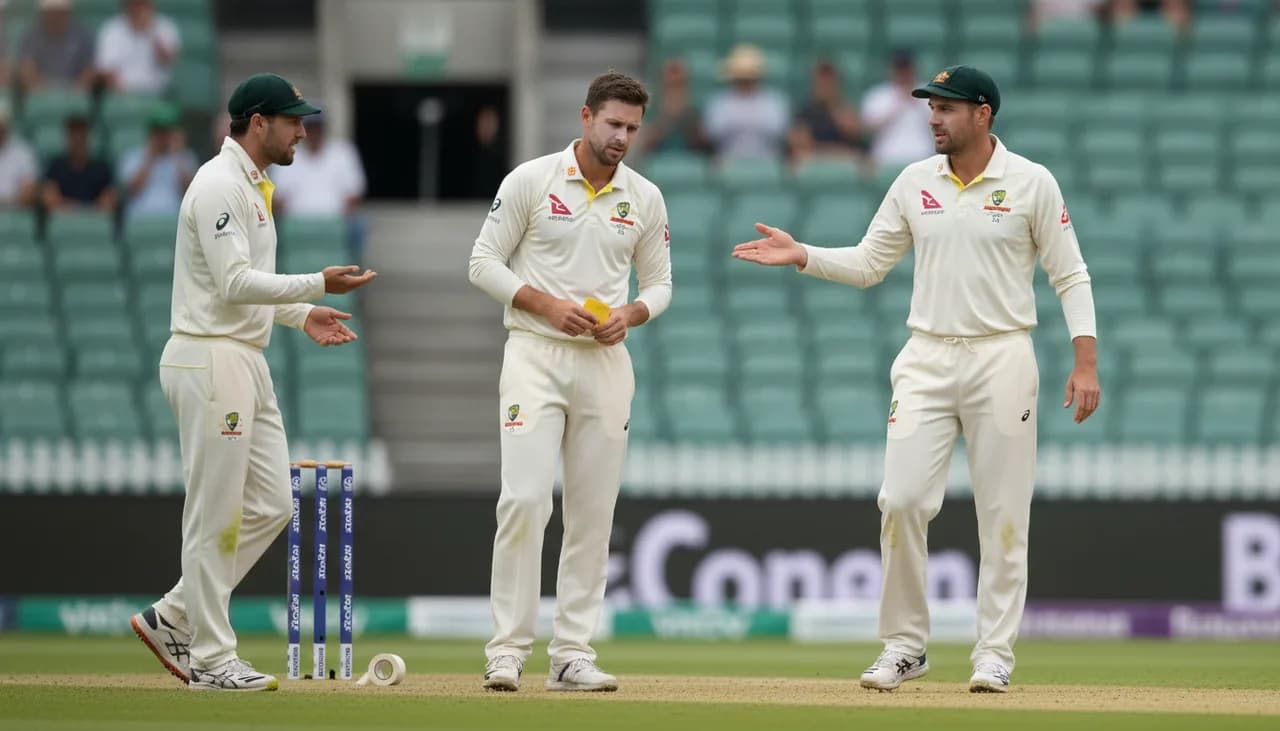

As another domestic season dawns across English cricket, players are bracing themselves for one of sport's most unforgiving transitions. The comfortable cushion of pre-season cricket, where mistakes can be corrected in adjacent practice nets and performances carry minimal consequence, gives way to the brutal reality of competitive fixtures where every delivery matters.
The Psychological Shift
Grace Ballinger, The Blaze's accomplished left-arm seamer, perfectly captures this transformation in her recent reflections on the upcoming women's domestic campaign. The difference between making an error during a friendly fixture versus a competitive match extends far beyond the scorecard. In pre-season encounters, a careless dismissal can be quickly forgotten with immediate remedial work in the nets. However, once the serious business begins, that same lapse in concentration results in lengthy periods on the pavilion balcony, contemplating poor shot selection whilst teammates battle in the middle.
This psychological adjustment affects professionals regardless of experience level. Veterans with decades of cricket behind them feel the same flutter of nerves and heightened awareness that accompanies their first season. The safety net disappears entirely, replaced by the stark accountability of competitive sport where form, confidence, and team selection hang in the balance with every performance.
Structural Changes in Women's Cricket
This season brings significant developments to the women's domestic structure, with Yorkshire joining Tier 1 of the One-Day Cup for their inaugural professional campaign. The addition transforms the competition from eight teams to nine, creating an interesting scheduling challenge that leaves one side idle during each round of fixtures. For betting markets, Yorkshire's promotion adds an intriguing wildcard element to outright winner odds, with their adaptation to professional cricket being a key factor to monitor.
The Blaze find themselves with an unexpected bye during the opening weekend, whilst their competitors begin battle on Saturday. Initially disappointing for players eager to start their campaign, this delay offers practical advantages given the forecast of harsh conditions across grounds. Their season opener against Lancashire on 15 April might prove perfectly timed to avoid the worst of early-season weather.
Home Ground Advantage
Trent Bridge's increased prominence in The Blaze's fixture schedule represents another positive development for the franchise. Six of their eight home One-Day Cup matches will unfold at this historic venue, with only two games relocating to their alternative base at Chesterfield. Furthermore, all six T20 Blast home fixtures are scheduled for Trent Bridge, providing unprecedented consistency in familiar surroundings.
This enhanced connection to Trent Bridge should benefit player performance and supporter engagement. Previously, The Blaze's fixtures were scattered across various East Midlands venues, making it challenging for fans to follow the team consistently and harder for players to establish genuine home advantage through intimate ground knowledge.
As competitive cricket returns and that pre-season safety blanket gets firmly pulled away, players like Ballinger understand that humility and accountability become their new companions. The margin for error shrinks dramatically, but so does the potential for genuine achievement and personal growth that only comes when everything is truly on the line.