There are cricket grounds with long histories, famous pavilions and storied Test match archives. And then there is Farmers Cricket Ground in St Martin, Jersey — a venue that began with a Portakabin, a kettle, and one man's stubborn refusal to let a good idea die. Jimmy Perchard's story is the kind that reminds you why cricket, at its heart, is about community as much as competition.
From Potato Field to Playing Field
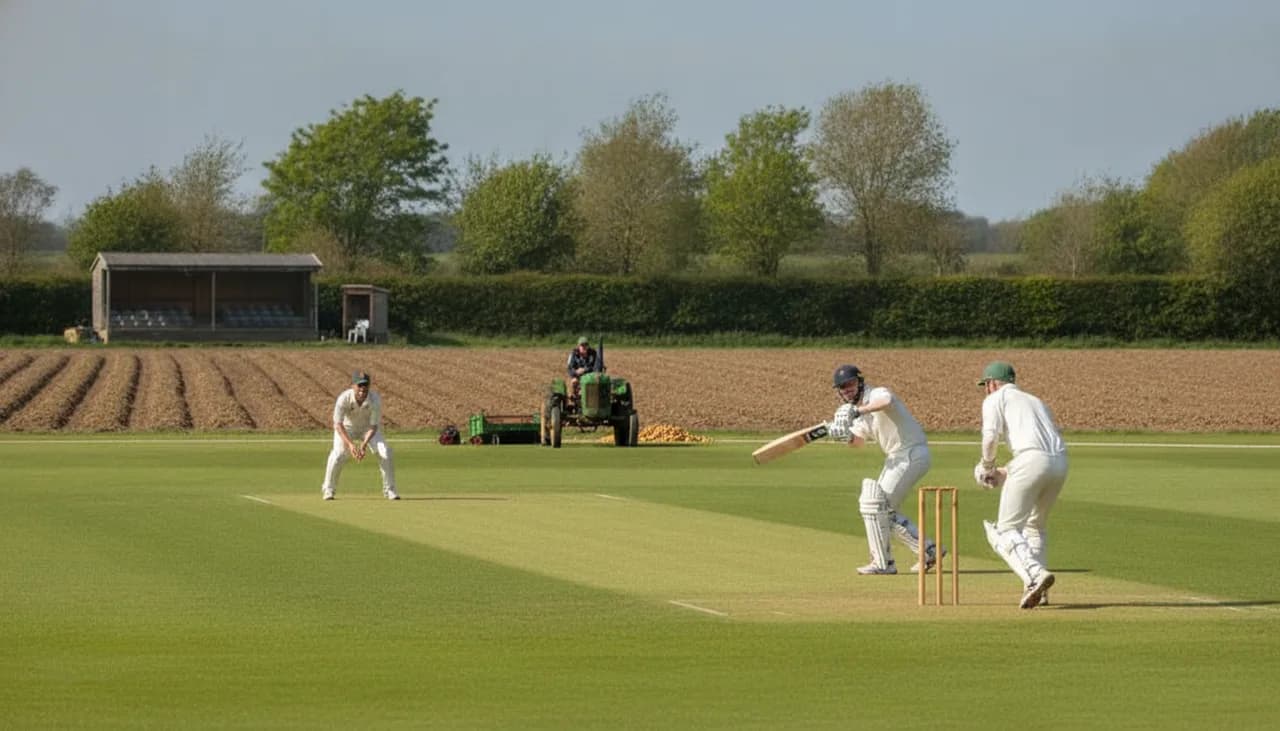
Perchard's cricketing roots stretch back to 1977, when a group of island farmers would squeeze in friendly matches during quieter spells in the agricultural calendar. Post-match conversations over a pint often drifted towards a shared fantasy: what if they had a ground of their own? For most, it remained pub talk. For Jimmy, it became a plan. He secured planning permission in 2003, and by 2005 — the same year England and Australia were locked in arguably the greatest Ashes series ever played — the first ball was bowled on his freshly prepared pitch. While the cricketing world was transfixed by Flintoff and Warne, Jimmy was quietly making his own history at the bottom of his garden.
Building Something Special From Scratch
The early days were far from glamorous. Changing facilities amounted to the boot of a car, and a Portakabin served as both tearooms and sanctuary. But Perchard pressed on, drawing inspiration from some of England's most picturesque grounds — Goodwood, Arundel and Wormsley among them — venues where cricket feels as natural as birdsong. Gradually, the ground took shape. Picket fencing went up, proper boundary infrastructure was installed, and sightscreens arrived. What had been a working field growing Jersey Royals was now a cricket venue with genuine character.
An International Stage in a Surprising Setting
What truly sets Farmers Cricket Ground apart is the calibre and variety of cricket it now attracts. The clubhouse walls are adorned with caps, photographs and memorabilia from international sides representing countries as geographically distant as the USA and Vanuatu — a remarkable collection for a ground that was a potato field little more than two decades ago. Jersey itself holds ICC associate status, and venues like this one are central to the island's cricketing identity. For those who follow associate cricket closely, the development of community-driven grounds is often where the real growth of the global game happens — even if it rarely makes the outright winner markets at the bookmakers.
What It Means to Jimmy
Ask Perchard why he did it and he will tell you it has been life-changing. There is a simplicity to his joy that is genuinely moving — the smell of freshly cut grass on a spring morning, the trees beginning to blossom, the hum of a mower across a surface he has nurtured for twenty years. "I don't think money can buy that," he has said, and it is hard to argue. He freely acknowledges the fortune in owning adjacent land, but it was courage as much as circumstance that made it happen. As he puts it, sometimes you simply have to stick your neck out.
In an era when cricket development is often discussed in terms of broadcast deals, franchise leagues and global expansion strategies, Jimmy Perchard's ground offers a quieter but equally powerful counter-argument. Sometimes the sport grows one field at a time, shaped by one person's vision and a willingness to back themselves. Farmers Cricket Ground is proof that the most unlikely venues can become something genuinely worth celebrating.