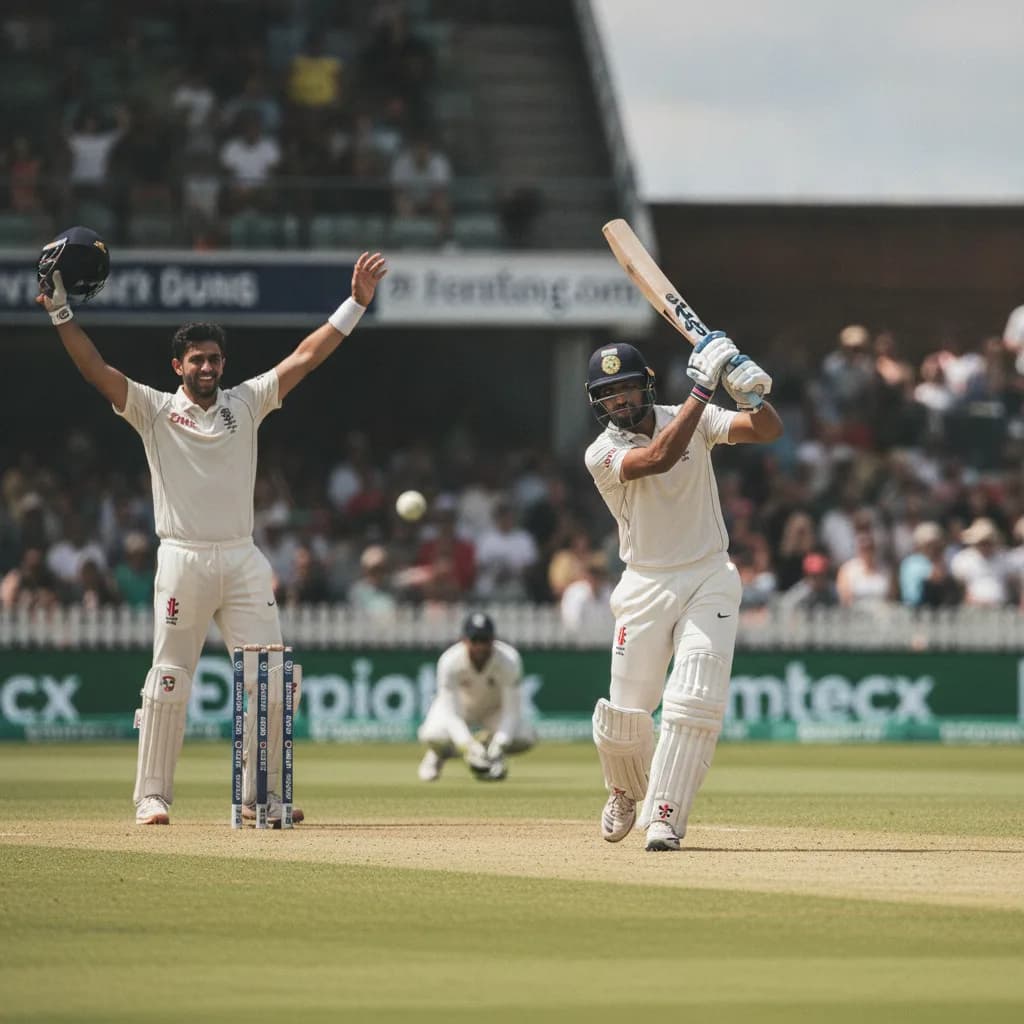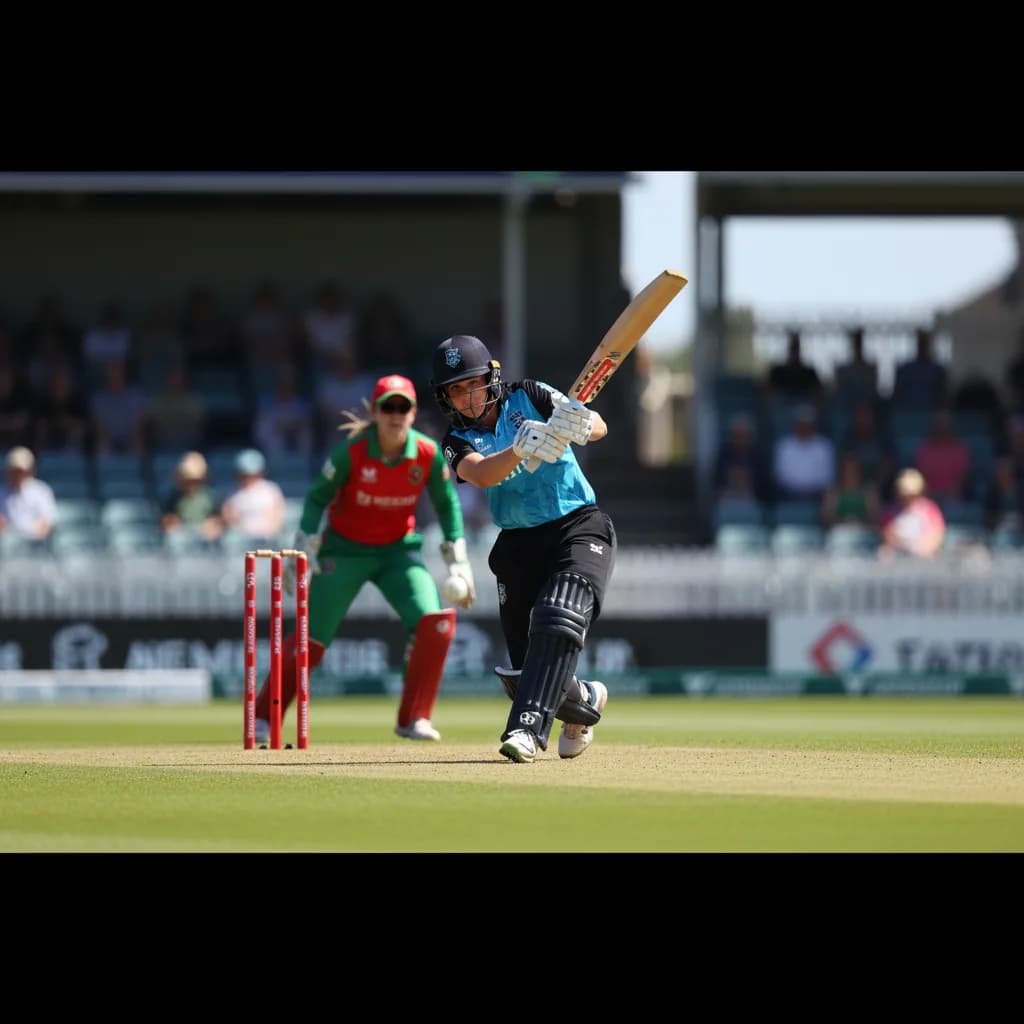
As a former coach who's witnessed cricket's evolution firsthand, I find myself fascinated by the latest tactical innovation sweeping T20 cricket: batters deliberately retiring themselves out mid-innings. This strategic move has exploded in popularity across global franchise leagues, fundamentally challenging traditional batting approaches and stirring passionate debates about cricket's sacred spirit.
The Numbers Tell the Story
The statistics from early 2026 paint a remarkable picture of this tactical shift. Within just the first three weeks of the year, eight separate instances of strategic retiring out occurred across major men's and women's franchise competitions worldwide. The Big Bash League, Super Smash, SA20, and Women's Premier League have all witnessed this trend firsthand.
What's particularly telling is that half of these cases involved batters struggling to maintain momentum, with four players retiring whilst posting strike rates below 100. This suggests teams are prioritising aggressive scoring over individual milestones, a mindset that would have seemed alien just a few years ago. For punters tracking player performance markets, these tactical retirements are reshaping betting strategies around individual batting statistics.
Strategic Reasoning Behind the Trend
The tactical logic underpinning these decisions revolves around maximising team scoring potential during crucial phases of play. Teams are increasingly recognising that keeping a struggling batter at the crease can prove more costly than the potential psychological impact of retiring them out.
The strategy extends beyond simply removing slow scorers. Progressive coaching setups are analysing match-ups more deeply, identifying specific bowlers against whom certain batters excel. By retiring out a competent but unsuited player, teams can introduce specialists who possess superior records against the opposition's bowling attack. This approach treats batting orders as fluid tactical tools rather than rigid hierarchies.
Coaching Perspectives and Implementation
Former New Zealand international BJ Watling, now coaching Northern Brave, has emerged as a leading proponent of this approach. His willingness to retire out two batters during a single match against the Volts demonstrates the confidence modern coaches possess in these tactics.
"All our players have the ability to win games of cricket and sometimes in certain situations it might suit someone else's skillset, and that's what we weigh up as a team," Watling explained. This philosophy represents a fundamental shift towards collective success over individual achievements.
England pace bowler Tymal Mills echoes this pragmatic approach, arguing that emotional considerations must be set aside for tactical benefit. "You have to try and remove some of the emotion out of it and just focus on what's the best thing to do for the team in that situation," Mills told BBC Sport, whilst emphasising the importance of maintaining positive relationships with retired batters.
Spirit of Cricket Debate
This tactical evolution inevitably raises questions about cricket's traditional values. Critics argue that retiring out contradicts the sport's fundamental principle of individual perseverance and determination. However, supporters contend that cricket has always adapted tactically, from reverse sweeps to death bowling yorkers.
As this trend continues reshaping T20 cricket, teams embracing these innovative approaches may gain significant advantages over more conservative opponents. The early evidence suggests that tactical retiring out represents cricket's natural evolution rather than a temporary fad, potentially transforming how we conceptualise batting strategy in the shortest format.