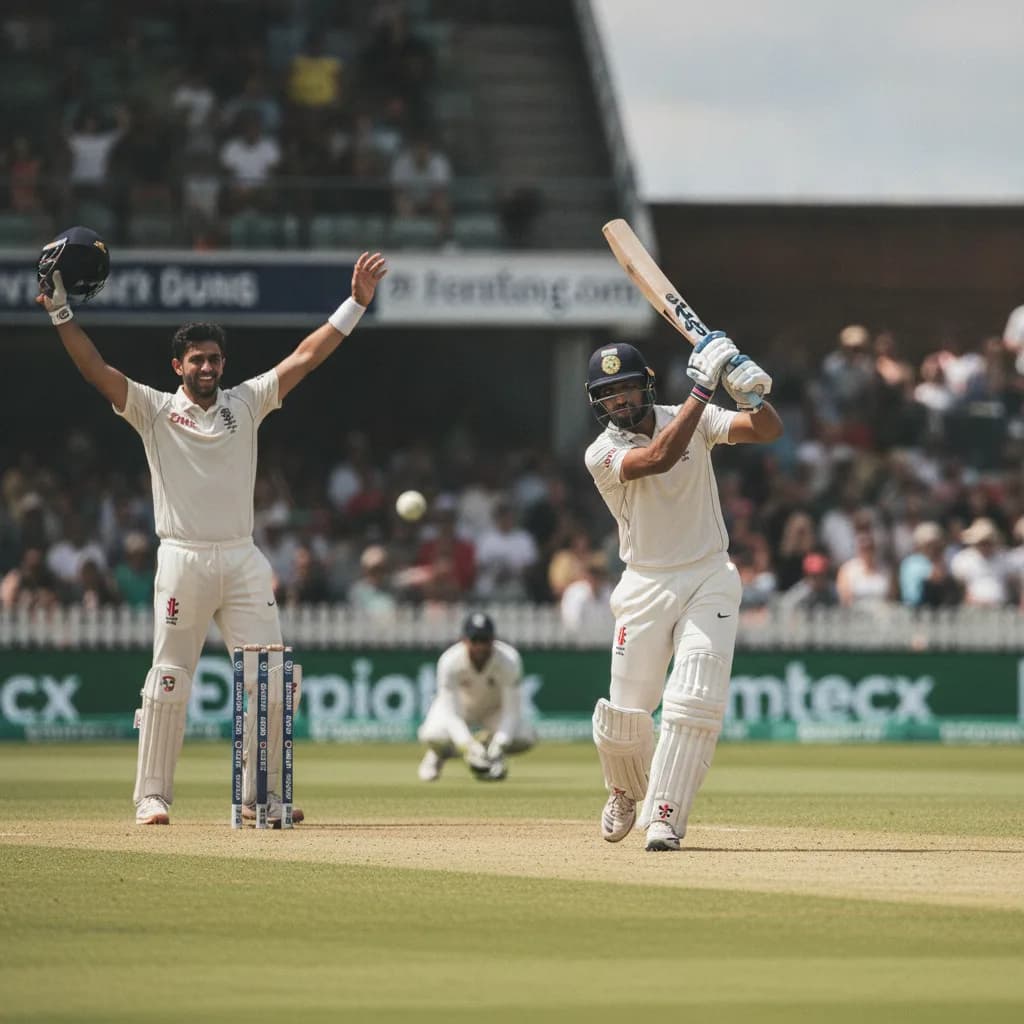

T20 cricket's relentless pursuit of innovation has produced another tactical evolution that's dividing opinion across the sport. The sight of batters voluntarily walking off mid-innings was once unthinkable, yet it's becoming increasingly common as teams prioritise ruthless efficiency over traditional cricket values. This strategic shift represents more than just clever tactics – it's fundamentally changing how we view individual contributions within team frameworks.
The Numbers Behind the Trend
The statistics paint a clear picture of this emerging phenomenon. In just the first three weeks of 2026, eight instances of tactical retirement have occurred across men's and women's franchise competitions worldwide. The Big Bash League, Super Smash, SA20, and Women's Premier League have all witnessed this strategic deployment, with half of these cases involving batters struggling below a strike rate of 100. When you consider how this impacts betting markets – with in-play odds shifting dramatically as teams optimise their batting order mid-innings – the financial implications become apparent alongside the tactical ones.
The Watling Methodology
Former New Zealand wicket-keeper BJ Watling has emerged as the most prominent advocate of this approach during his coaching tenure with Northern Brave. His willingness to retire two batters in a single match against the Volts demonstrates the commitment required to implement such strategies. "All our players have the ability to win games of cricket and sometimes in certain situations it might suit someone else's skillset, and that's what we weigh up as a team," Watling explained to The Post. This pragmatic approach reflects modern coaching philosophy, where mathematical optimisation often trumps emotional considerations.
Professional Perspectives on Strategy
England's Tymal Mills offers valuable insight from a player's perspective, emphasising the importance of removing emotion from tactical decisions. "You have to try and remove some of the emotion out of it and just focus on what's the best thing to do for the team in that situation," Mills told BBC Sport. His view that retiring struggling batters during the death overs can "propel you to a huge score" encapsulates the cold calculation driving this trend. However, Mills acknowledges the human element, stressing the importance of ensuring retired batters understand the decision isn't personal criticism.
The Spirit of Cricket Debate
This tactical evolution raises fundamental questions about cricket's character. Whilst retiring out remains legal under current regulations, critics argue it violates the sport's traditional spirit where individual battles between bat and ball hold sacred importance. Supporters counter that T20 cricket's shortened format demands maximum efficiency, making such tactics not just acceptable but necessary for competitive success. As franchise leagues increasingly influence international cricket's direction, this debate will likely intensify. The challenge for cricket administrators lies in balancing tactical innovation with the game's cherished values, ensuring the sport's evolution doesn't compromise its essential character.