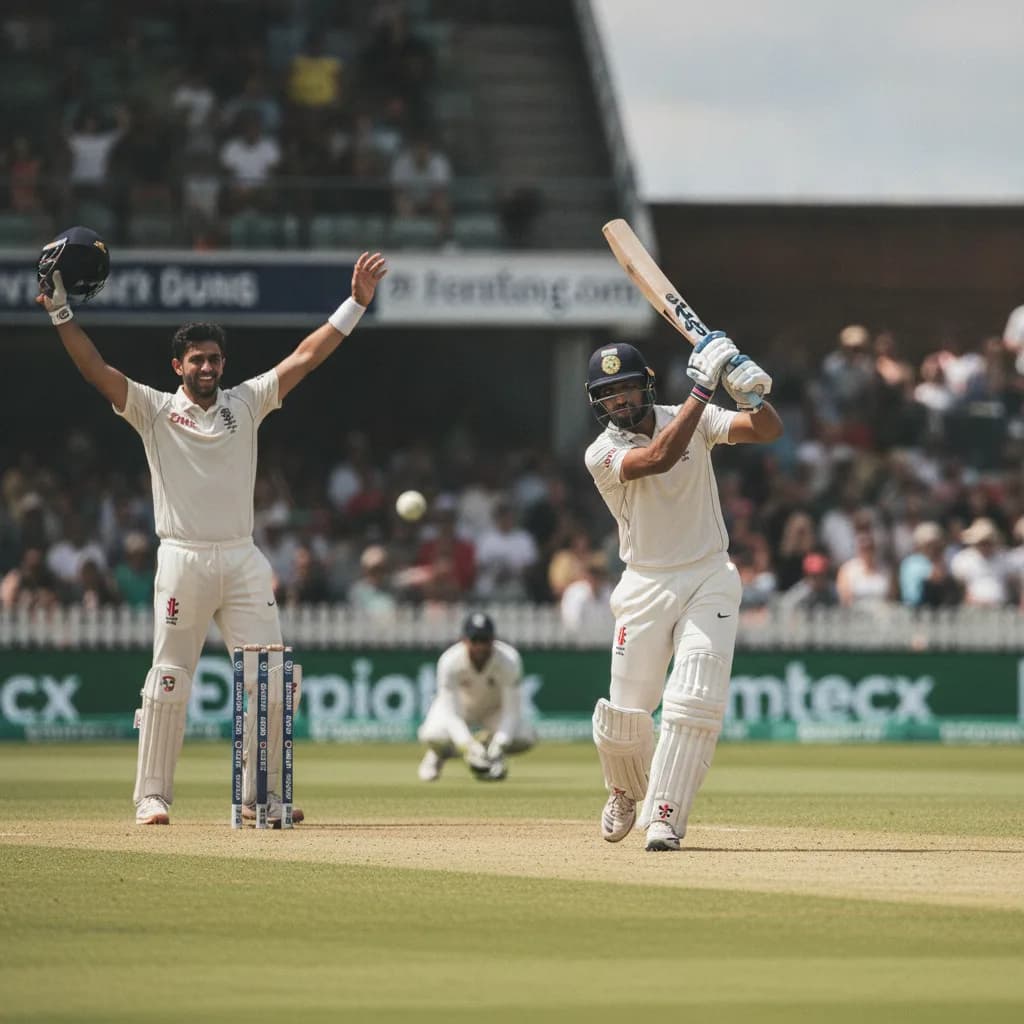
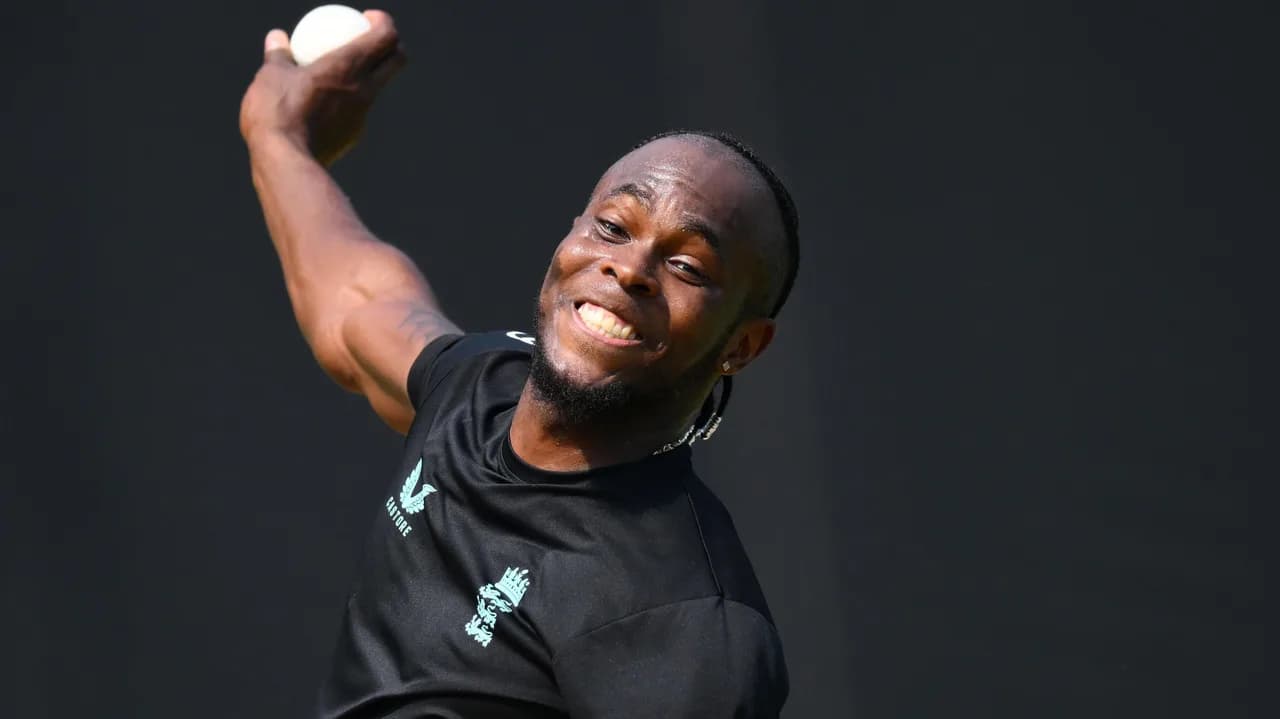
In the pressure-cooker atmosphere surrounding cricket's biggest fixtures, it's remarkable when one player's technique overshadows everything else. Yet that's precisely what's happening with Pakistan spinner Usman Tariq, whose bowling action has become the sport's most contentious talking point. As someone who's coached spin bowling for over a decade, I've rarely seen a delivery style generate such fierce debate across the cricketing world.
The Man Behind the Controversy
At 28, Tariq represents an unusual path to international cricket. Unlike traditional spinners who develop through county or first-class cricket, he's essentially a T20 specialist with just two longer-format matches to his name. His breakthrough came via the Pakistan Super League in the 2023-24 season, before establishing himself through successful campaigns in the Caribbean Premier League and ILT20 in the UAE during 2025. With 11 wickets from four T20 internationals, including impressive figures of 3-27 against the United States at the current World Cup, his statistics suggest genuine effectiveness despite the surrounding furore. For punters monitoring Pakistan's bowling options, this controversy adds an intriguing variable to the outright odds calculations.
Dissecting the Disputed Action
What makes Tariq's technique so polarising is its unconventional nature. His approach involves a distinctive pause mid-delivery stride, creating a complete stoppage before releasing the ball with a notably low-armed, sling-like motion. From a coaching perspective, this action challenges traditional spin bowling orthodoxy, which typically emphasises smooth, rhythmic delivery strides. The controversy intensified during Australia's warm-up series against Pakistan, when Cameron Green mimicked a side-arm throwing motion after his dismissal - a gesture he subsequently apologised for. More recently, England's Tom Banton appeared to signal concerns about the legality of the action to match officials during the ILT20.
Official Scrutiny and Clearance
The most significant aspect of this debate is that Tariq has faced formal scrutiny twice during Pakistan Super League matches, in both 2024 and 2025, when on-field umpires reported his action. However, subsequent official analysis cleared him on both occasions, suggesting his technique, whilst unorthodox, falls within cricket's legal parameters. Pakistan captain Salman Agha's recent comments reveal the spinner's resilience: "He doesn't care about these things. Since the time he has started cricket, these talks are going on about him." This statement highlights how persistent speculation has followed Tariq throughout his career, yet he's continued developing his craft regardless.
The Broader Implications
This controversy reflects cricket's ongoing struggle with bowling action interpretation in the modern game. Having worked with spinners of various techniques, I believe innovation shouldn't be stifled by traditionalist thinking, provided actions remain legal. Tariq's case demonstrates how unique techniques can be effective whilst remaining within the rules, despite appearing unusual to conventional eyes. For Pakistan, his continued selection suggests confidence in both his ability and the legality of his method. As cricket evolves tactically, perhaps we need greater acceptance of technical diversity, provided it meets the sport's regulatory standards. Ultimately, if Tariq continues delivering match-winning performances whilst operating within legal boundaries, the controversy may eventually subside through proven effectiveness on the field.