
Vaughan Delivers Blunt Verdict on England's Batting
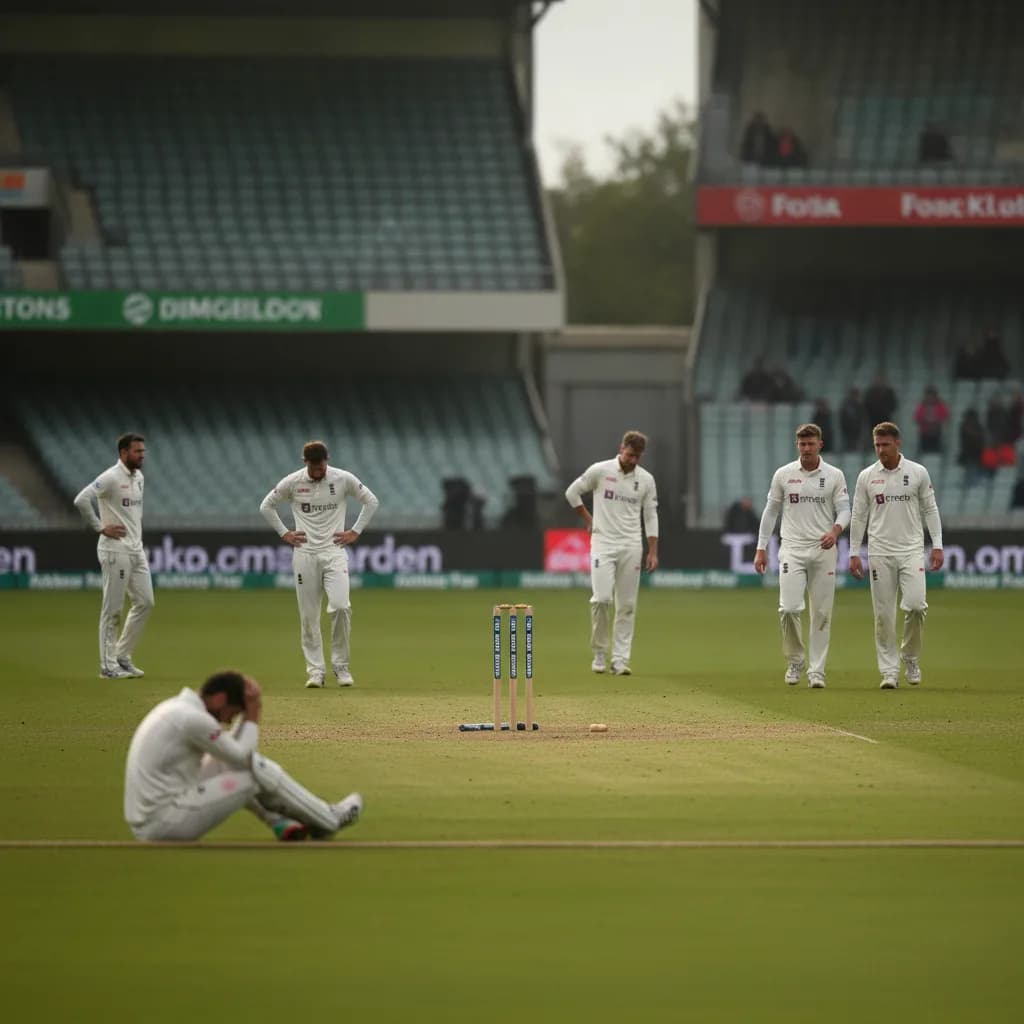
Michael Vaughan has never been one to mince his words, and the former England captain was in characteristically forthright mood following a dramatic third day of the third Test between England and New Zealand at Trent Bridge. Vaughan's chief concern was not England's shot selection or their bowling attack — it was something more fundamental: the sheer lack of overs England are managing to face with the bat under head coach Brendon McCullum's watch.
Speaking after the third day's play, Vaughan made clear that, whatever excitement the Bazball era has generated, failing to spend meaningful time in the middle is a structural problem that cannot be waved away by attractive strokeplay. In his view, the current pattern is simply not good enough at Test level.
A Day of Drama at Trent Bridge
The third day at Trent Bridge was the kind of fluctuating, unpredictable affair that Test cricket at its best regularly delivers. Momentum swung repeatedly between the two sides, keeping supporters on the edge of their seats and making it difficult for either team to establish firm control. Yet for all the entertainment, Vaughan believes England's inability to grind out long periods of batting will continue to cost them if it goes unaddressed.
The Trent Bridge surface has traditionally offered pace and carry, but that alone does not fully explain why England have struggled to post the sort of sustained batting performances that build genuinely dominant positions. From a coaching and analytical standpoint, volume of overs faced remains one of the clearest indicators of a side's resilience under pressure — and right now, England's numbers in that regard give cause for genuine concern.
The McCullum Dilemma: Aggression vs Accumulation
Since Brendon McCullum took charge alongside Ben Stokes, England have embraced an aggressive, high-tempo philosophy that has revitalised Test cricket and attracted enormous public interest. However, Vaughan's critique highlights one of the inherent tensions within that approach: the balance between positive intent and the fundamental Test match discipline of occupying the crease.
Great Test teams throughout history have combined the ability to attack with the capacity to dig in when conditions or circumstances demand it. Vaughan's point is not that England should abandon their attacking instincts, but rather that lasting only a limited number of overs in an innings leaves too much to chance — and too much pressure on the bowling attack to repeatedly pull the side out of difficulty. For those following the series in the betting markets, England's inconsistency at the crease has understandably kept the outright series odds tighter than their supporters might have hoped.
What Needs to Change?
From my own coaching background, I understand what Vaughan is getting at. Intent and aggression are invaluable assets, but they need to be paired with the game awareness to know when to consolidate. England's top order, in particular, must find a way to extend partnerships and ensure the middle order has a platform to build from rather than regularly inheriting difficult situations.
Whether McCullum and Stokes choose to address this publicly or trust the process remains to be seen. But Vaughan has articulated what many observers have quietly been thinking — and with the series still alive, England would do well to heed that message before Trent Bridge reaches its conclusion.